WMS Warehouse Management in Growing Businesses: How to Create a Warehouse That Can Keep Up
14/04/2026
Christian
CCO, Apport Systems
Introduction
WMS warehouse management is becoming a necessity for many growing businesses in the e-commerce sector. As a company grows, the demands on warehouse management increase in line with rising orders and a broader product range. WMS, or Warehouse Management System, can be a game-changer, ensuring the warehouse can keep up with growth without compromising on efficiency or customer satisfaction.
Why is WMS Important for Growing Businesses?
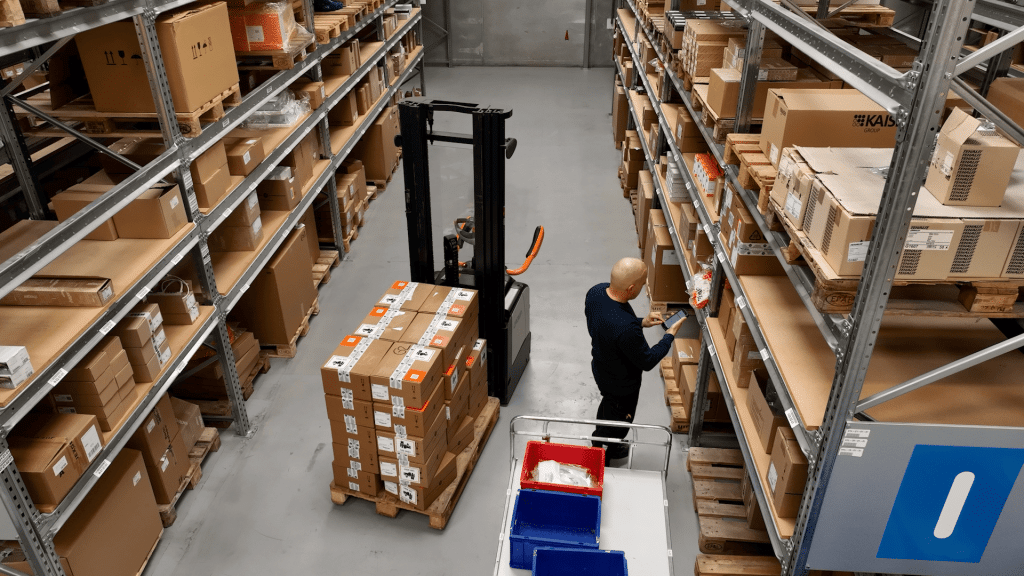
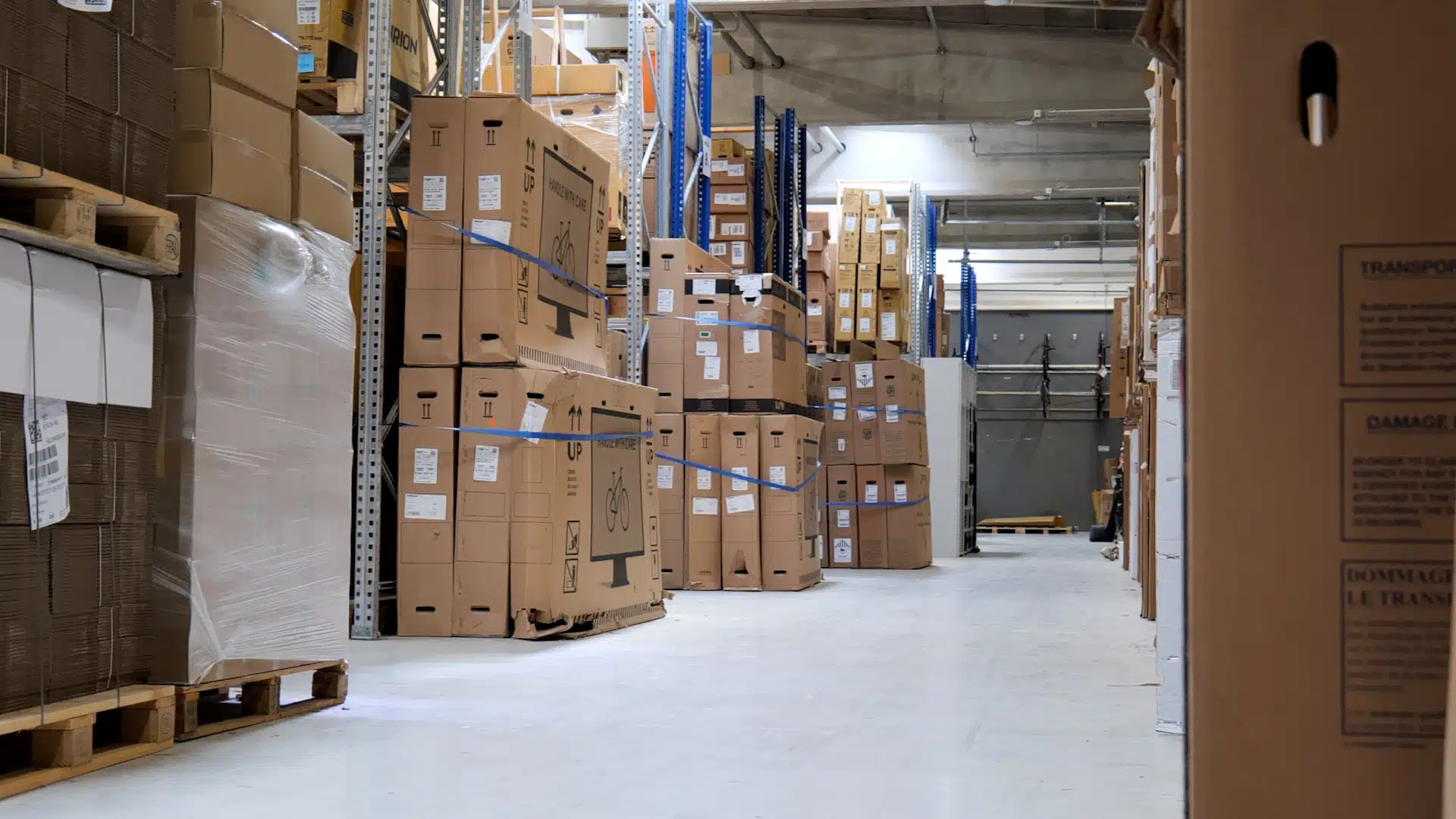
With an effective WMS system, businesses can optimize their warehouse processes, reduce errors, and improve delivery times. This is particularly critical for e-commerce companies where customer demands for fast delivery and precision are high. WMS provides real-time inventory visibility, helping avoid overstocking and shortages. See how efficient warehouse management can solve major e-commerce challenges.
Automation and Error Reduction
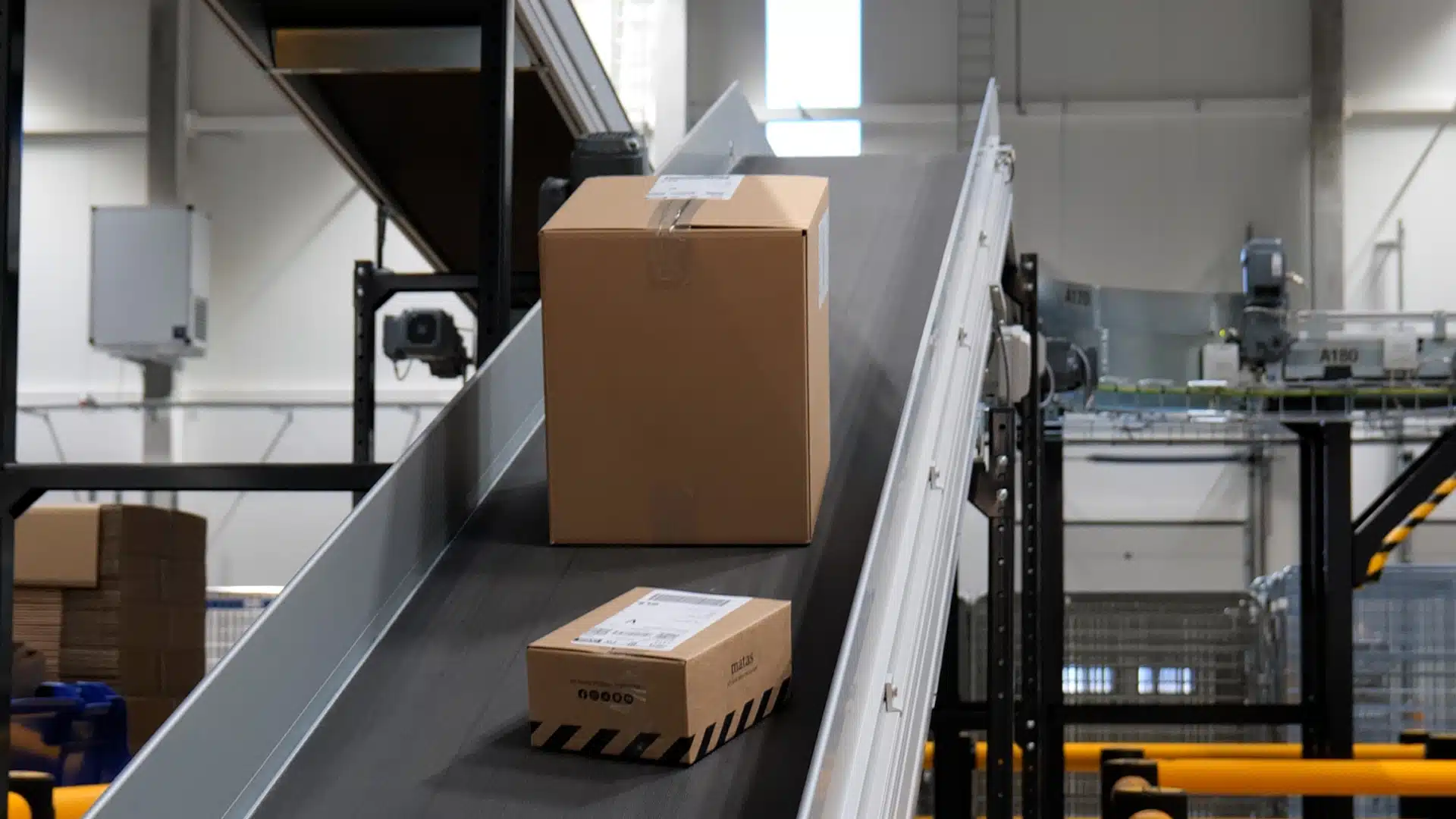
By automating warehouse processes through a WMS system, businesses can minimize human errors that often occur in manual processes. This is especially important during growth phases, where employees are often under pressure to handle larger volumes than before.
Implementing WMS in Your Business
Implementing a WMS system requires thorough planning and understanding of the company's specific needs. The first step is to analyze existing warehouse processes and identify areas for improvement. It is crucial to involve both warehouse staff and IT professionals to ensure the system is user-friendly and functional for all parties.
Scaling with WMS
One of the most important aspects of WMS is its ability to scale with the company. As the company grows, WMS systems can be adapted to handle more products, more locations, and more orders. This allows companies to grow without worrying about whether their warehouse management can keep up. Read more about the future of warehouse management with AI and automation.
Business Value and ROI
Investing in a WMS system can lead to a significant return on investment (ROI). By improving warehouse efficiency, businesses can reduce costs, improve delivery speed, and thereby increase customer satisfaction. This has a direct positive impact on the company's bottom line.
Case Study: Success with WMS
An e-commerce company that implemented a WMS system experienced a 25% reduction in picking and packing errors within the first six months. At the same time, they were able to handle a 40% increase in order volume without increasing the number of warehouse employees. This demonstrates how the right technology can support growth and efficiency.
Conclusion
For SME owners in the e-commerce sector, WMS warehouse management is a critical component of the growth journey. It not only enables handling increased demand but also ensures that the company can deliver a service that meets customer expectations. With the right implementation, WMS can be a valuable investment that supports the company's long-term success.
Contact Us
Are you ready to take your warehouse to the next level with WMS? Contact us to learn more about how we can assist your business in achieving efficient warehouse management.
New Trends in WMS
WMS systems are constantly evolving, and there are several new trends that growing businesses should be aware of. One of the most significant trends is the integration of Internet of Things (IoT) technologies, which enable smarter warehouse management by connecting physical devices and sensors to the internet for better monitoring and control.
IoT and WMS
With IoT technology, businesses can access data from various devices in the warehouse, such as scanners and RFID tags, in real-time. This allows for more precise tracking of goods and reduces the risk of loss or theft. Additionally, IoT can help businesses optimize warehouse space by analyzing and predicting inventory needs.
AI-Driven Warehouse Management
Artificial Intelligence (AI) is also becoming a game-changer in warehouse management. AI algorithms can analyze large amounts of data to optimize picking routes, predict demand, and improve inventory turnover. This results in more efficient warehouse operations and can create a competitive advantage over competitors.
Challenges of Implementing WMS
While the benefits of WMS are numerous, there are also challenges associated with implementation. One of the biggest challenges is resistance to change among employees. It is important to have a clear communication strategy and training programs in place to ensure all involved parties are comfortable with the new technology.
Data Integration and Security
Another challenge is integrating WMS with existing IT systems. It is crucial to choose a system that can integrate seamlessly with other systems in the company to avoid data silos. Additionally, companies must be aware of data security and ensure that their WMS meets the necessary security standards.
The Future of WMS
The future of WMS looks bright with several technological advancements on the horizon. The development of autonomous robots and drones for warehouse management is an area with great potential. These technologies can further automate warehouse processes and enable companies to operate more efficiently and accurately.
Robots and Automation
Robots can

Share post:
Want to learn more about Warehouse Management Systems?
Need help figuring out whether a warehouse management system is the right fit for your business? You’re always welcome to get in touch – and together we’ll find the best solution for your needs.
Christian Mikkelsen
CCO, Apport Systems
E: [email protected]
T: +45 4177 6304
Christian Mikkelsen
CCO, Apport Systems
E: [email protected]
T: +45 4177 6304