WMS in Everyday Life: Why the System is Becoming More Integral to Modern Warehouse Operations
10/05/2026
Christian
CCO, Apport Systems
Introduction: A Growing Necessity in Warehouse Operations
For many small and medium-sized enterprises in e-commerce, efficient warehouse management is crucial to compete in a market where customers expect fast delivery and high service. A warehouse management system (WMS) can be the solution to many challenges that arise as a company grows. In this article, we will explore why WMS systems are becoming increasingly important in modern warehouse operations and how they can add value to your business.
What is a WMS and Why is it Important?
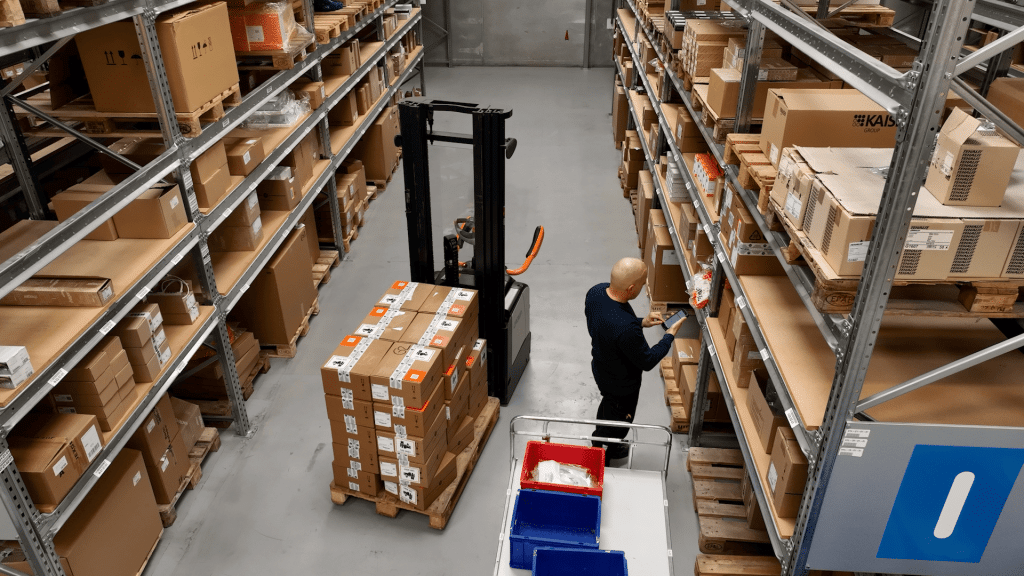
A WMS is a software tool designed to optimize warehouse operations by automating and streamlining processes such as receiving, picking, packing, and shipping. Implementing a WMS can help minimize human errors, improve warehouse utilization, and increase order speed. This is especially important for small e-commerce businesses looking to expand without losing control over their inventory.
Automating Warehouse Processes
Automation is one of the biggest advantages of a WMS. With automated processes, you can reduce the need for manual intervention, which decreases the risk of errors. This is crucial for maintaining high customer satisfaction. By digitizing warehouse management, companies can also gain a clear overview of their inventory in real-time. Read more about how warehouse management can improve your e-commerce success here.
Business Value and ROI
Investing in a WMS may seem like a major financial decision for smaller businesses. However, when considering the potential return on investment (ROI), the benefits become clear. An effective WMS can lead to improved warehouse utilization, reduced operational costs, and increased customer satisfaction. Moreover, it can help free up resources that can be used in other areas of business growth.
Improved Warehouse Utilization
By optimizing layout and flow within the warehouse, a WMS can help maximize available space and reduce waste. This can be a huge advantage, especially for small businesses that may not afford to expand their physical storage space. Learn more about how optimizing warehouse operations can enhance your business here.
Implementation and Customization
Implementing a WMS requires time and planning, but the rewards can be substantial. It's important to choose a system that can be tailored to your company's specific needs. For smaller warehouses, it might be beneficial to start small and gradually expand functionality as the business develops.
Steps to a Successful Implementation
1. Needs Analysis: Begin by identifying the specific needs and challenges in your warehouse operations. This will help you choose the right system and features.
2. Choose the Right Vendor: Partner with a vendor who has experience implementing WMS solutions for businesses of your size and industry.
3. Staff Training: Ensure that your staff is well-trained in using the new system. This will ensure a smooth transition and maximize the system's benefits.
4. Continuous Evaluation: Regularly monitor and evaluate the system's performance to identify areas for improvement.

The Future of WMS in E-commerce
With the ongoing growth of e-commerce, WMS systems are set to play an increasingly larger role in warehouse operations. New technologies such as artificial intelligence and the Internet of Things (IoT) are expected to be integrated into future WMS solutions, further optimizing warehouse management.
For businesses aiming to stay competitive, it's important to stay updated with these technological advancements and consider how they can be integrated into their own warehouse operations. Read more about the importance of warehouse logistics here.
Summary: WMS as a Strategic Investment
WMS systems are no longer just for large companies with complex logistics needs. They are increasingly becoming a necessity for small and medium-sized e-commerce businesses looking to optimize their warehouse operations and improve customer service. By investing in a WMS solution, you can enhance efficiency, reduce costs, and create a solid foundation for growth.
Consider how a WMS can be integrated into your company's strategy today, and look forward to a future with better warehouse management and higher customer satisfaction.
Technological Trends and Future Opportunities
The technological development within WMS is rapidly accelerating, and new trends are emerging that can revolutionize how we think about warehouse management. One of the most promising technologies making its way into WMS solutions is the use of artificial intelligence (AI). AI can analyze large amounts of data to predict trends and optimize inventory in real-time. This means that businesses can make more informed decisions about inventory levels and reduce the risk of overstocking or understocking.
Internet of Things (IoT) and Smart Warehouses
IoT is also becoming an integral part of modern WMS solutions. With IoT technology, devices in the warehouse can communicate with each other and with the WMS in real-time. This allows for precise tracking of goods, automation of reorders, and improved monitoring of warehouse conditions. Smart warehouses employing IoT can therefore offer numerous advantages.
Share post:
Want to learn more about Warehouse Management Systems?
Need help figuring out whether a warehouse management system is the right fit for your business? You’re always welcome to get in touch – and together we’ll find the best solution for your needs.
Christian Mikkelsen
CCO, Apport Systems
E: [email protected]
T: +45 4177 6304
Christian Mikkelsen
CCO, Apport Systems
E: [email protected]
T: +45 4177 6304
Did you read one of these blogposts?


That’s why the CFO should have warehouse logistics on the priority list
If you asked 100 CFOs to write down their three primary focus areas on a piece of paper, words like

Warehouse Management Software or ERP System?
Has your warehouse outgrown spreadsheets and older systems? Are you considering implementing warehouse management software but unsure whether to…