
When Order Changes Impact ERP and WMS
Last updated
15/10/2026

Carsten
COO, Apport Systems
How do you efficiently manage order changes in complex warehouses?
Order changes can be challenging. How do you ensure that your ERP and WMS systems handle these changes efficiently? Let’s explore some strategies that can help warehouse and logistics managers navigate these complex situations.
To ensure seamless handling of order changes, understanding ERP and WMS integration is crucial, as it can enhance communication between systems and optimize processes.
Did you know..
- ERP styrer ordrer og transaktioner.
- WMS optimerer lagerdriften.
- Automatisering reducerer menneskelige fejl.
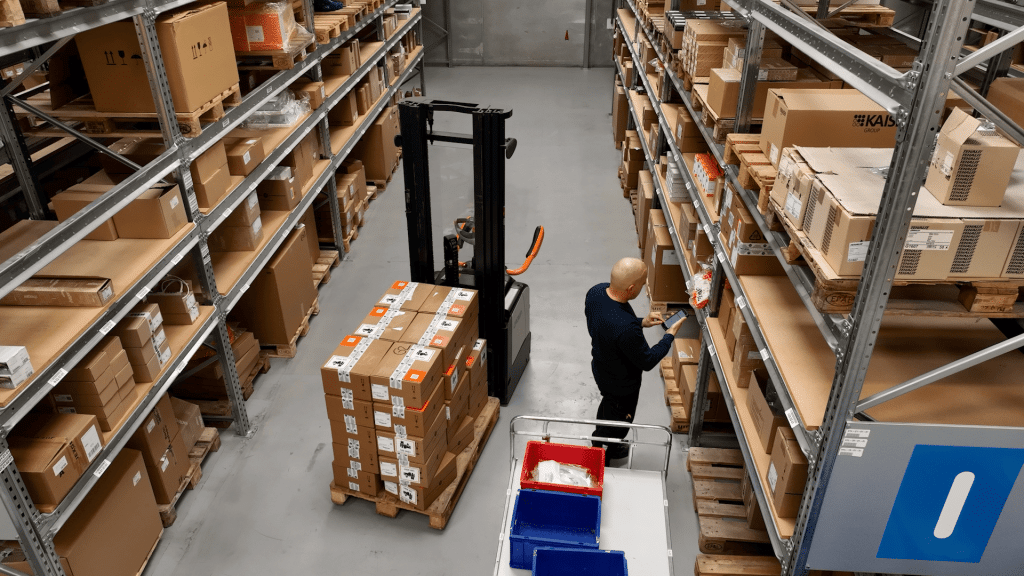
Understanding ERP and WMS in Warehouse Management
ERP (Enterprise Resource Planning) and WMS (Warehouse Management System) both play a central role in warehouse management. While ERP systems are designed to manage the overall resources of the company, WMS focuses on optimizing warehouse operations. Effective integration between these systems is essential for handling order changes smoothly. If you want to learn more about how ERP and WMS work together, you can read this article on ERP and WMS integration.
The Importance of Clear Roles in ERP and WMS
It is important to define clear roles for both ERP and WMS. ERP should handle orders and financial transactions, while WMS takes care of warehouse optimization and order picking. This synergy ensures that order changes are recorded correctly and promptly in both systems. For a deeper understanding of these roles, you can visit our blog on ERP and WMS roles.
Automation of Order Changes
Automation is key to effectively handling order changes. By automating processes, you can minimize human errors and reduce time spent on manual work. Make sure your WMS is updated with the latest technologies to automate changes as much as possible.
Optimization of Warehouse Processes
Efficient warehouse management requires optimized processes that can handle order changes quickly and accurately. By streamlining your warehouse processes, you can reduce wasted time and improve customer satisfaction. For specific strategies to optimize warehouse systems, read our guide for e-commerce businesses.
Implementing Flexible Systems
Flexibility in your systems is crucial to quickly respond to changes. Ensure your ERP and WMS systems can be adapted quickly and easily, so you can keep up with the dynamic demand from customers and the market.
Training and Education of Staff
To ensure your employees are ready to handle order changes, it is important to invest in continuous training and education. Make sure staff understand both ERP and WMS systems' functions and how to best utilize them in daily operations.
Integration of Technology and Data Analysis
Modern technologies like AI and IoT can revolutionize how warehouse management is handled. By integrating these technologies, companies can gain real-time insights into inventory and quickly adapt to order changes. Data analysis can further help predict trends and optimize warehouse management further. Companies that leverage data effectively can achieve significant competitive advantages.
Customer-Oriented Approach to Warehouse Management
A customer-oriented approach to warehouse management can significantly improve customer satisfaction. By understanding customer needs and expectations, warehouse and logistics departments can tailor their strategies for order changes. This includes ensuring fast delivery and accurate order updates, which can strengthen customer trust and loyalty.
Collaboration Between Departments
Effective collaboration between different departments, such as sales, purchasing, and warehouse, is crucial for smooth handling of order changes. Transparent communication and information sharing can help avoid misunderstandings and ensure all departments work towards the same goals. Regular meetings and updates can also improve collaboration and efficiency.
Measuring Success and Continuous Improvements
To maintain effective handling of order changes, it is important to regularly assess and measure the success of implemented strategies. Use KPIs (Key Performance Indicators) to evaluate effectiveness and identify areas for improvement. Continuous evaluation and adjustment of processes can help maintain high standards in warehouse management.
Conclusion
Handling order changes in complex warehouses requires a carefully balanced approach that integrates both ERP and WMS systems. By automating processes, optimizing warehouse operations, and ensuring flexible systems, you can effectively accommodate changes without compromising efficiency. Consider also investing in staff education to maximize the potential of the systems. Collaboration between departments, integration of modern technology, and a customer-oriented approach are also critical elements for success. With these strategies, you can ensure smooth warehouse operations, even when unexpected order changes occur.
Did you know..
- Flexibilitet muliggør hurtige systemtilpasninger.
- Dataanalyse forudsiger lagertrends.
- Samarbejde mellem afdelinger forbedrer effektivitet.

FAQ
Hvordan kan ERP og WMS integreres effektivt?
Effektiv integration mellem ERP og WMS optimerer kommunikation og processer ved at definere klare roller for hvert system.
Hvilken rolle spiller automatisering i lagerstyring?
Automatisering minimerer menneskelige fejl og reducerer den tid, der bruges på manuelt arbejde.
Hvorfor er fleksibilitet vigtig i ERP og WMS?
Fleksibilitet i ERP og WMS er vigtig for hurtigt at reagere på ændringer i kundernes efterspørgsel og markedets dynamik.
Hvordan kan dataanalyse forbedre lagerstyring?
Dataanalyse kan forudsige trends og yderligere optimere lagerstyringen, hvilket giver en konkurrencefordel.
Hvad er fordelene ved en kundeorienteret lagerstyring?
En kundeorienteret tilgang forbedrer kundetilfredshed ved at sikre hurtig levering og nøjagtige ordreopdateringer.
Hvordan kan samarbejde mellem afdelinger forbedre lagerstyring?
Transparent kommunikation og informationsdeling mellem afdelinger hjælper med at undgå misforståelser og sikrer fælles mål.
Hvilken betydning har træning af personale?
Kontinuerlig træning sikrer, at personale effektivt kan håndtere ordreændringer ved at forstå ERP og WMS funktioner.
Hvordan måles succes i håndtering af ordreændringer?
Succes måles ved hjælp af KPI'er for at evaluere effektiviteten af strategier og identificere forbedringsområder.
Hvad er forskellen mellem ERP og WMS?
ERP styrer virksomhedens overordnede ressourcer, mens WMS fokuserer på optimering af lageroperationer.
Hvordan kan moderne teknologi integreres i lagerstyring?
Teknologier som AI og IoT kan integreres for at give realtidsindsigt i lagerbeholdning og tilpasse sig hurtigt til ordreændringer.
Del indlæg:

Christian Mikkelsen
CCO, Apport Systems
Har du brug for hjælp til at vurdere hvorvidt et lagerstyringssystem er det rigtige for din virksomhed? Du er altid velkommen til at kontakte mig, så vi sammen kan finde frem til den bedste løsning for din virksomhed.