
When should you connect inventory management to e-conomic?
Find out when connecting inventory management to e-conomic is beneficial and how it can enhance efficiency and accuracy for your business.


COO, Apport Systems
Effective management of multiple warehouses is crucial for growing companies, especially in e-commerce and wholesale sectors, where fast and accurate delivery can provide a significant competitive advantage. A central logistics solution can be key to achieving this by enabling cohesive management of inventory and shipments. By integrating technology and processes, companies can achieve more efficient operations and improve their customer experience.
For companies experiencing growth, managing multiple warehouses effectively can be challenging. A central logistics solution can play a crucial role in optimizing warehouse management. By integrating all warehouses into one consolidated solution, better inventory oversight can be achieved, errors can be reduced, and customer service can be improved.
One of the major advantages of a central logistics solution is the ability to automate many processes that would otherwise require manual intervention. This can include everything from updating inventory to handling returns. Automation not only helps reduce errors but also frees up employees to focus on other value-adding activities.
Furthermore, a central logistics solution can support more flexible warehouse management, where goods can be quickly moved between warehouses as needed. This is especially important for e-commerce companies, where fast delivery is a competitive advantage. Read more about warehouse management and logistics solutions.
Efficient warehouse management is not only an internal benefit but also plays a significant role in customer satisfaction. Fast and accurate delivery can enhance customer loyalty, which is particularly significant for e-commerce companies where competitive pressure is high. To achieve this, companies can leverage data analysis to predict inventory needs and thus avoid delays.
A central logistics solution can also improve the handling of returns, which is a crucial part of the customer experience. By streamlining the process and minimizing the processing time for returns, companies can reduce costs and improve their level of customer service. This can lead to increased customer satisfaction and retention, as customers experience a seamless service even after purchase.
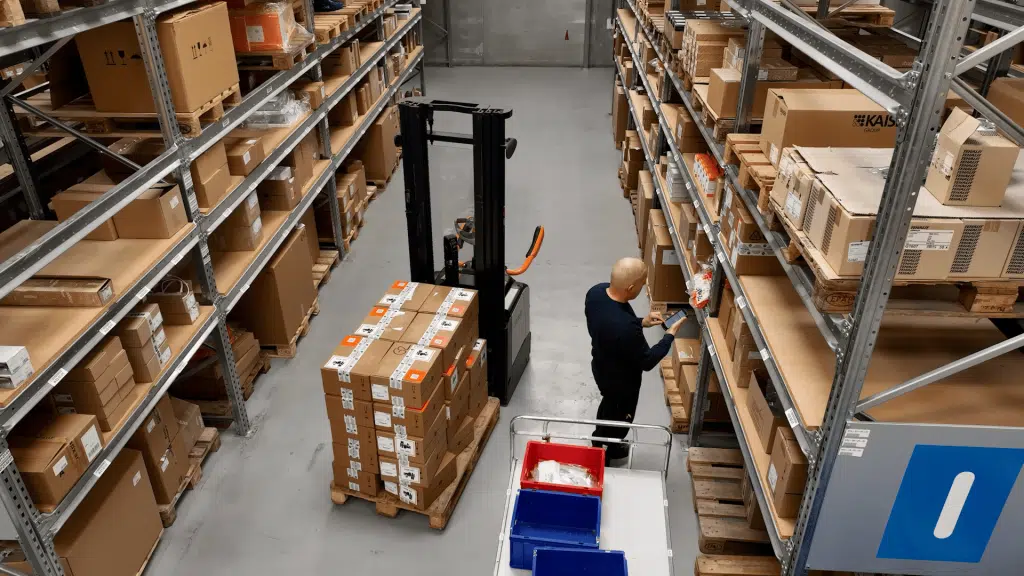
A successful implementation of a central logistics solution requires that it can be integrated with existing systems. This often includes ERP systems that are already used to manage the company’s finances and resources. By ensuring a seamless integration, duplicate work can be avoided, and all departments in the company can work with the same updated data.
It is also important to consider how the logistics solution can be scaled in line with the company’s growth. A flexible solution that can be adapted to new needs is crucial to ensure that the company can continue to grow without being constrained by its logistics.
A central logistics solution that can scale with the company’s growth is crucial for maintaining efficiency and competitiveness. As companies grow, their warehouse needs can change dramatically, and a flexible solution can ease this transition. For example, a company that suddenly experiences an increase in demand can quickly adapt its warehouse and deliveries without losing oversight or efficiency.
Growth companies often face the challenge of having to scale their logistics to meet increasing demand. A central logistics solution can be the key to effectively managing this challenge. By centralizing the management of multiple warehouses, companies can reduce complexity and improve efficiency.
A central logistics solution can also aid in better planning and forecasting. With access to real-time data, companies can better predict future needs and adjust their inventory accordingly. This can lead to more precise purchasing and reduce the risk of both overstocking and shortages.
For e-commerce companies, which often have a large and varied product assortment, it is crucial to be able to adapt to rapidly changing consumer preferences. A central logistics solution makes this possible by providing a clear overview of inventory status and delivery times. Read more about optimizing warehouse systems.
A well-implemented logistics solution can also significantly enhance the customer experience. Faster and more accurate deliveries increase customer satisfaction and can lead to increased loyalty. This is especially important for e-commerce companies, where the competition can be intense.
Moreover, a central logistics solution can help manage returns more effectively. By minimizing the time it takes to process a return, companies can improve their level of customer service and reduce the costs associated with return processes.
To further enhance the customer experience, it is important to ensure that the customer service department is closely integrated with warehouse and logistics functions. This can be achieved by providing customer service representatives with access to real-time data on inventory status and shipments, making it easier to provide accurate information to customers. For example, if a customer calls to inquire about the status of an order, with a central logistics solution, customer service can quickly find accurate information and give the customer an update, increasing trust and satisfaction.
Improving the customer experience goes beyond just faster deliveries. It also involves having a robust return handling process that minimizes wait times for customers and reduces costs for the company. A central logistics solution can integrate these processes, making them part of the overall customer experience, which can lead to increased customer loyalty and repeat purchases.
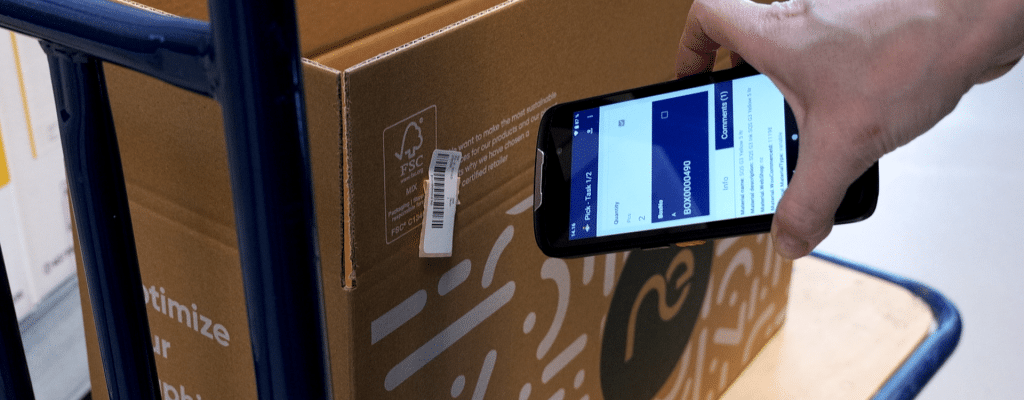
Implementing a central logistics solution might seem like a daunting task, but with proper planning, the process can be smooth. The first step is to assess the company’s current needs and establish clear goals for what the logistics solution should achieve.
Once the goals are established, it is important to choose a solution that can be integrated with existing systems and scaled as the company grows. Additionally, one should consider the type of support offered by the supplier, and whether there is the possibility of customizing the solution to specific needs.
It can also be advantageous to involve employees from different departments in the implementation process. This ensures that all aspects of the company’s operations are considered and that the solution is successfully implemented. Read more about warehouse and logistics in growing companies.
To ensure a successful implementation of a logistics solution, it is important to have a clear strategy and involve all relevant stakeholders in the process. This can include everything from warehouse personnel to IT specialists, all of whom bring unique perspectives and knowledge to the table. By including them in the decision-making process, it can be ensured that the solution meets the company’s needs and objectives.
To ensure a smooth transition to the new logistics solution, training and change management are crucial. Employees need to understand how the new processes work and the benefits the solution can bring. This can be achieved through thorough training and ongoing support.
Change management is about preparing employees for the changes ahead and ensuring they are motivated to embrace them. A good change management strategy can make a world of difference in how quickly and effectively the new solution becomes part of daily operations.
Implementing a new logistics solution often requires a change in company culture. To ease this transition, companies can create a communication plan that clearly explains the benefits of the new solution and how it will improve work processes. By holding regular meetings and updates, management can ensure that employees feel informed and supported throughout the change process.
Moreover, a gradual implementation can be advantageous, where the solution is rolled out in phases. This gives employees time to adapt and allows for necessary adjustments based on feedback. A phased approach can also help identify potential challenges early in the process so they can be addressed proactively.
Successful change management involves clearly communicating the benefits that the new logistics solution brings and how it will improve daily operations. By offering ongoing support and training, resistance to change can be minimized and adaptation to new processes can be accelerated. An example could be establishing “superusers” in each department who can serve as resources for their colleagues.
A central logistics solution can be key to effectively managing multiple warehouses and scaling warehouse operations as the company grows. By integrating all warehouses into one consolidated solution, automating processes, and ensuring seamless integration with existing systems, companies can achieve better efficiency and customer service. However, successful implementation requires good planning, training, and change management. Read more about WMS warehouse management.
In a time of increasing global competition, it is crucial for growing companies to optimize their logistics processes. A central logistics solution offers an integrated approach to managing warehouse and logistics, enabling better efficiency and customer service. By focusing on key areas such as integration, scaling, and employee involvement, companies can achieve a robust infrastructure that supports their growth and future success.
Del indlæg:

CCO, Apport Systems
Find out when connecting inventory management to e-conomic is beneficial and how it can enhance efficiency and accuracy for your business.

Many warehouses still rely on paper. Pick lists are printed, notes are written on delivery slips, and checkmarks are added by hand. But
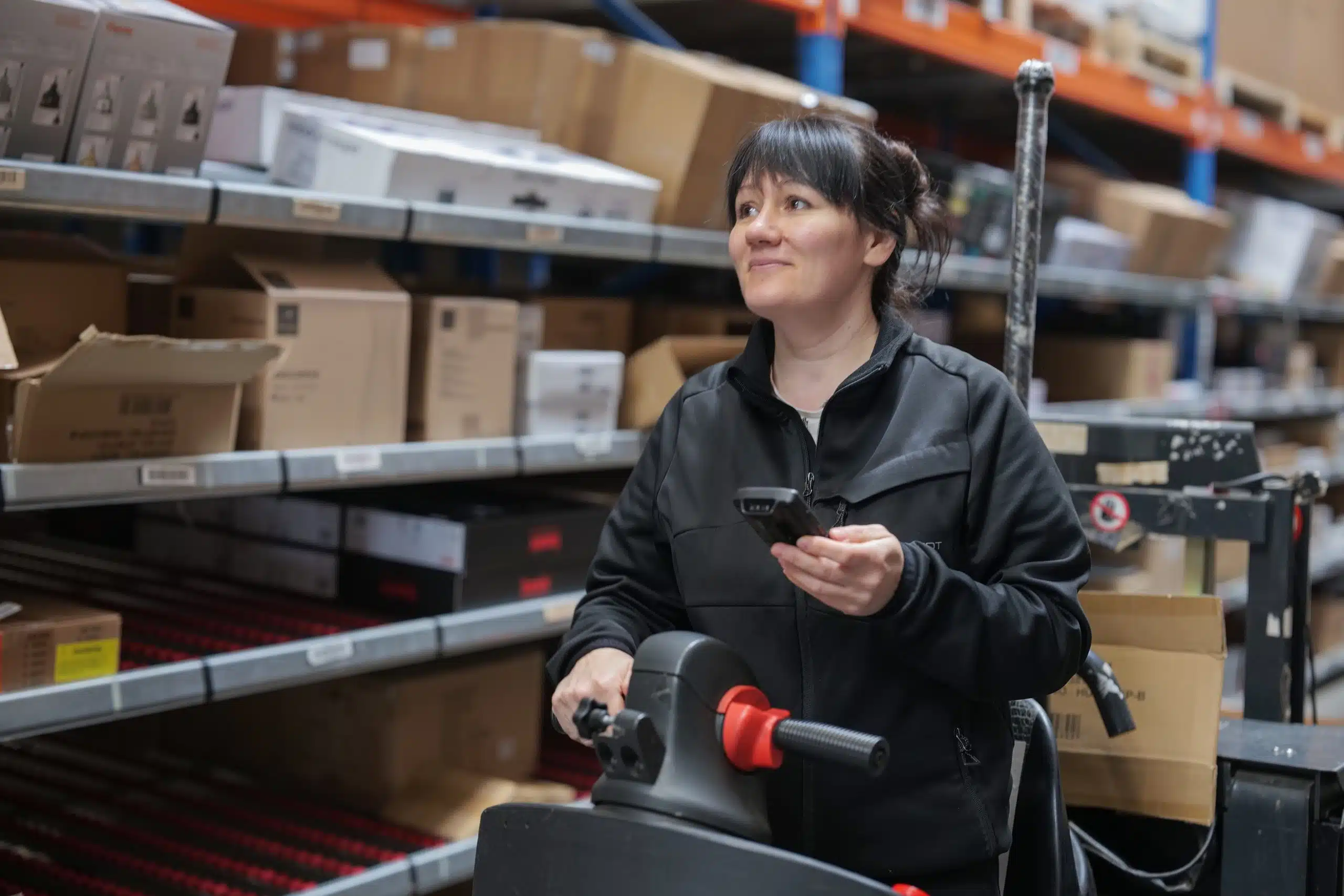
Explore the importance of scalable order systems and effective inventory management for business growth and competitiveness in e-commerce and retail.