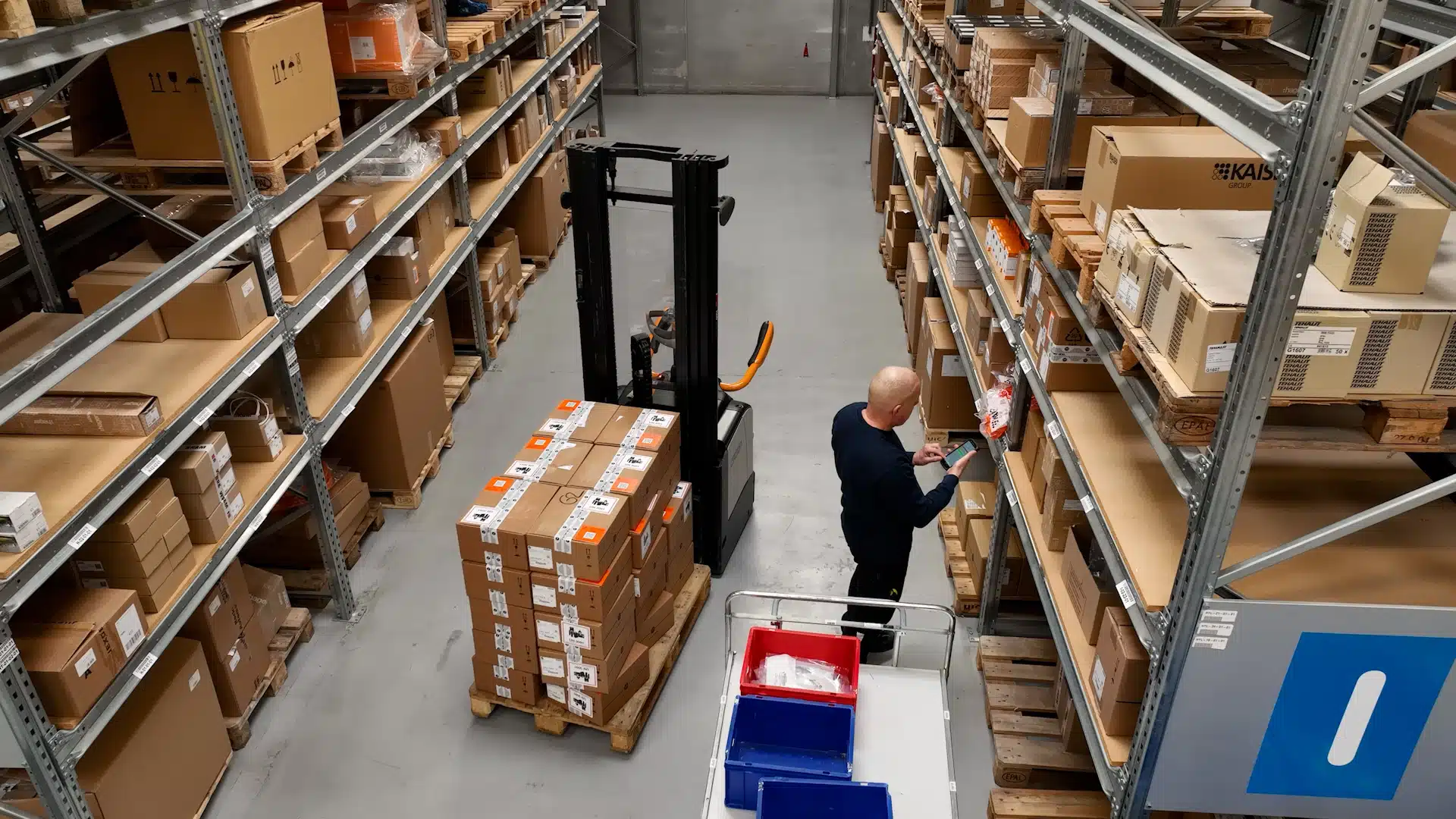
What is a Warehouse Management System – and When Do You Need It?
19/03/2026

Christian
CCO, Apport Systems
Understanding Warehouse Management Systems
Warehouse Management Systems (WMS) are software solutions designed to optimize and automate warehouse operations. With the increasing need for efficient warehouse management in e-commerce companies, it becomes crucial to understand when and why a warehouse management system is necessary.
How Does a Warehouse Management System Work?
A warehouse management system helps manage inventory, track goods, optimize picking routes, and improve overall operational efficiency. The system typically integrates with other systems such as ERP (Enterprise Resource Planning) to ensure real-time data and coordination across various departments.
When Do You Need a Warehouse Management System?
As a warehouse and logistics manager in a growing e-commerce company, it can be challenging to determine when it's time to implement a warehouse management system. Here are some signs that your business could benefit from a WMS:
- Frequent inventory errors and inaccuracies.
- Extended delivery times and dissatisfied customers.
- Rapid growth requiring better scalability.
If you recognize any of these issues, it might be time to consider a WMS. Learn more about how effective warehouse management can enhance your e-commerce success.
Benefits of Implementing a WMS
Implementing a warehouse management system brings numerous benefits. Firstly, it can drastically reduce warehouse costs. A WMS optimizes warehouse space and minimizes waste, saving money in the long run. Secondly, it enhances customer satisfaction by ensuring faster and more accurate deliveries.
Additionally, a WMS provides valuable insights into warehouse performance, aiding in strategic decision-making. By analyzing data, management can identify bottlenecks and areas requiring improvement. Discover how process optimization can be the key to your warehouse operations.
The Value of ROI in Warehouse Management Systems
One of the biggest considerations for SME owners is the return on investment (ROI) when implementing a WMS. It's important to understand that the initial investment can lead to significant long-term savings and revenue increases.
Effective ROI calculations can be crucial in ensuring that the investment in a warehouse management system benefits the company. Learn more about how to calculate ROI for your warehouse solution.
Integration with Other Systems
An effective warehouse management system should easily integrate with other business systems. This includes ERP and MES (Manufacturing Execution Systems), which help coordinate warehouse operations with production. Understand the importance of MES for your production.
Conclusion
Choosing the right warehouse management system can be a game changer for your e-commerce business. It can enhance efficiency, reduce costs, and increase customer satisfaction. If you are considering a WMS, it's important to evaluate your current warehouse operations and identify areas needing improvement.
For more information on warehouse management systems and how they can benefit your business, visit our website.
Take the Next Step
Don't hesitate to contact us for a free consultation on how a warehouse management system can transform your business. Our experts are ready to help you take the next steps towards more efficient warehouse management.

The Evolution of Warehouse Management Systems
With technological advancements, we constantly see new features and improvements in warehouse management systems. Automation and artificial intelligence play a greater role, enabling companies to predict demand and optimize inventory more accurately.
Automation and AI in Warehouse Management
Automation reduces the need for manual labor and minimizes the risk of human errors. With AI, warehouse management systems can analyze large data sets to predict patterns and trends, creating more efficient warehouse operations.
The Future of Warehouse Management Systems
In the future, we will see an increasing integration of the Internet of Things (IoT) in warehouse management systems. IoT devices can provide real-time updates on inventory status, temperature, and other critical factors, ensuring better control and visibility.
Implementation and Training
Implementing a new warehouse management system requires careful planning and staff training. It's crucial to ensure that all employees understand the system's functions and can use it effectively to maximize the benefits.
Training Programs
Effective training programs can make the transition to a new system smoother. By investing in comprehensive training, companies ensure that their employees are well-equipped to handle the new processes and technologies that come with a WMS.
Customization and Flexibility
One of the biggest advantages of modern warehouse management systems is their ability to be customized to specific business needs. This means that companies can configure their WMS to support unique workflows and warehouse processes.
Adapting to Market Changes
The e-commerce and logistics market is constantly changing, and companies must be able to quickly adapt to new demands. A flexible WMS allows scaling up or down based on seasonal fluctuations, changes in customer behavior, or new business opportunities.
User-Friendliness and Interface
User-friendliness is a critical factor in choosing a warehouse management system. An intuitive interface makes it easier for employees to navigate the system and quickly access the information they need. This reduces training time and improves productivity.
Technological Trends in Warehouse Management
Technological advancements continue to shape the future of warehouse management. In addition to AI and IoT, we also see an increasing use of robotics and drones in warehouse operations.
Robotic Technology
Robots can perform tasks such as picking and packing more efficiently than humans and can work around the clock without breaks. This increases warehouse capacity and reduces labor costs.
Drones for Warehouse Management
Drones are increasingly used for inventory counting and inspection of hard-to-reach areas. They can quickly scan large areas and provide precise data on inventory, reducing the need for manual counting.
Conclusion and Future Prospects
Implementing a warehouse management system is a strategic decision that can significantly impact a company's operational success. With the right tools and technologies, companies can not only improve their warehouse operations but also position themselves stronger in a competitive market.
To remain competitive, companies should be open to new technologies and continuously evaluate their warehouse management strategies. By doing so, they can ensure they are able to adapt quickly to changing market conditions and customer needs.
Effective Warehouse Management in Practice
Implementing the theories behind warehouse management requires practical approaches and strategies. Here are some concrete steps to ensure smooth operations:
Strategic Planning
Strategic planning involves setting clear goals and KPIs that can be used to measure the effectiveness of the warehouse management system. This includes understanding customer needs and aligning warehouse operations to meet these demands.
Continuous Improvement
To maintain an effective warehouse management system, companies should invest in continuous improvement. This can be achieved by regularly reviewing processes and implementing feedback from employees and customers to ensure the system always meets the company's objectives.
Technological Upgrades
To remain competitive, it's important to upgrade the technologies in use. This can include implementing advanced analytics tools and machine learning to further optimize warehouse management.
Cross-Departmental Collaboration
Effective warehouse management requires collaboration across different departments. The warehouse department must work closely with procurement, sales, and IT to ensure a streamlined process from start to finish.
Compliance with Regulations
Compliance with local and international regulations is essential to avoid penalties and ensure sustainable operations. Companies should stay updated on relevant regulations in transportation, warehousing, and safety.
The Future of Warehouse Management
Looking ahead, warehouse management systems will continue to evolve and adapt to new technological advancements. 3D printing, blockchain, and virtual reality are just some of the technologies that may impact the future of warehouse management systems.
3D Printing
3D printing can revolutionize warehouse management by reducing the need to hold large amounts of stock. Companies can produce products on-demand, reducing inventory levels and storage-related costs.
Blockchain Technology
Blockchain can ensure transparency and security in the supply chain by offering an immutable record of every transaction. This can improve traceability and accountability in warehouse management.
Virtual Reality (VR)
VR can be used for training and simulation of warehouse processes, allowing employees to practice in a safe and controlled environment. This can reduce mistakes and improve efficiency.
By embracing these new technologies, companies can not only improve their current warehouse management practices but also position themselves for future growth and success.
Implementing Technology in Warehouse Management
To fully benefit from a warehouse management system, it's important to understand how technology can be integrated into daily operations. This involves not only hardware and software but also how technology can adapt to the company's workflows.
Cloud-Based Solutions
Cloud-based warehouse management systems offer flexibility and scalability that traditional systems often lack. With cloud solutions, companies can easily adapt to changes in warehouse size and geographical location without significant investments in new infrastructure.
Data Analytics and Decision-Making
One of the major advantages of using technology in warehouse management is the ability to use data analytics to support decision-making. By analyzing warehouse data, companies can identify patterns, predict demand, and optimize inventory.
Mobile Technology in Warehouse Management
The use of mobile technology in warehouse management enables employees to access inventory data and update stock levels in real-time. This ensures dynamic and flexible warehouse management, where decisions can be made quickly and accurately.
Considerations When Choosing a WMS
Choosing the right warehouse management system is a critical decision that requires careful consideration of several factors. Here are some important aspects to consider:
Features and Needs
It's important to choose a WMS that matches the company's specific needs and processes. The system should have the necessary features to handle current and future warehouse requirements.
Cost and Budget
The cost of a WMS can vary significantly depending on the system's complexity and the provider. It's important to conduct a thorough financial analysis to ensure the system fits within the company's budget.
Support and Service
Reliable support and service from the provider are crucial to ensure smooth implementation and operation of a WMS. Companies should choose a provider that offers comprehensive support and maintenance services.
Share post:
Want to learn more about Warehouse Management Systems?
Need help figuring out whether a warehouse management system is the right fit for your business? You’re always welcome to get in touch – and together we’ll find the best solution for your needs.

Christian Mikkelsen
CCO, Apport Systems
E: [email protected]
T: +45 4177 6304
Christian Mikkelsen
CCO, Apport Systems
E: [email protected]
T: +45 4177 6304
Did you read one of these blogposts?

Black Friday puts logistics to the test: Are you ready for the year’s biggest challenge?
Is your warehouse ready for Black Friday? Discover 7 key strategies to prevent chaos and ensure smooth logistics this peak