What Can a Warehouse Management App Be Used for in Daily Warehouse Work?
04/04/2026

Christian
CCO, Apport Systems
Introduction to Warehouse Management Apps
For many small e-commerce businesses, warehouse management can seem like an overwhelming task. However, with a warehouse management app, you can get help to organize, track, and optimize warehouse processes. But what exactly can such an app be used for in daily warehouse work? In this article, we will review some of the most essential features and benefits of implementing a warehouse management app.
Streamlining Warehouse Processes
Task Automation
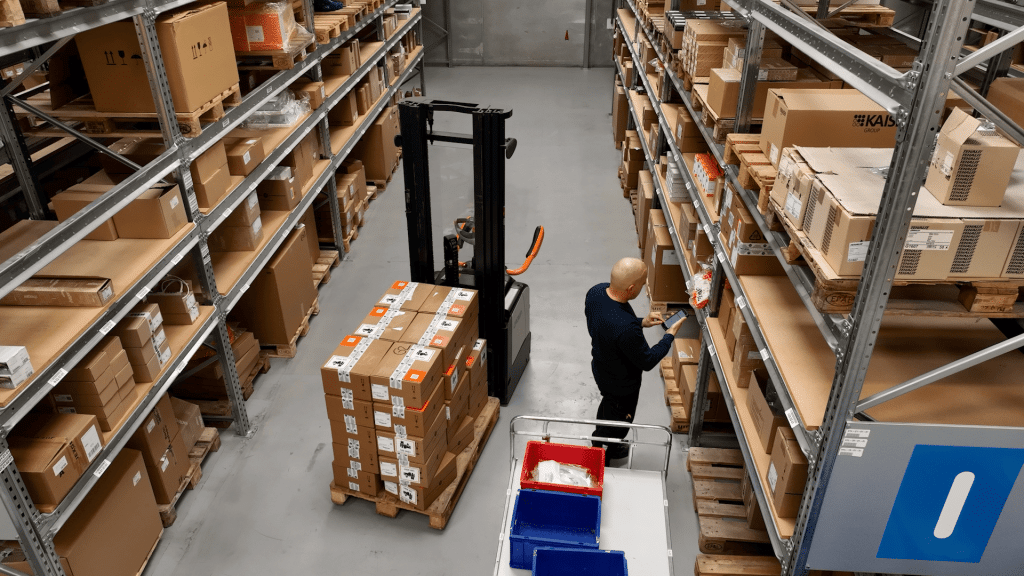
One of the biggest advantages of using a warehouse management app is the ability to automate many tasks that would otherwise require manual input and constant follow-up. Automation can include updating inventory levels, ordering new items when stock is low, and tracking items that need to be picked and packed.
Improved Inventory Control
With a warehouse management app, you can achieve better control over your inventory. This means you always have an up-to-date overview of which items are in stock and which are on their way out. This reduces the risk of errors and ensures that customers can always get what they ordered.
Optimal Use of Warehouse Space
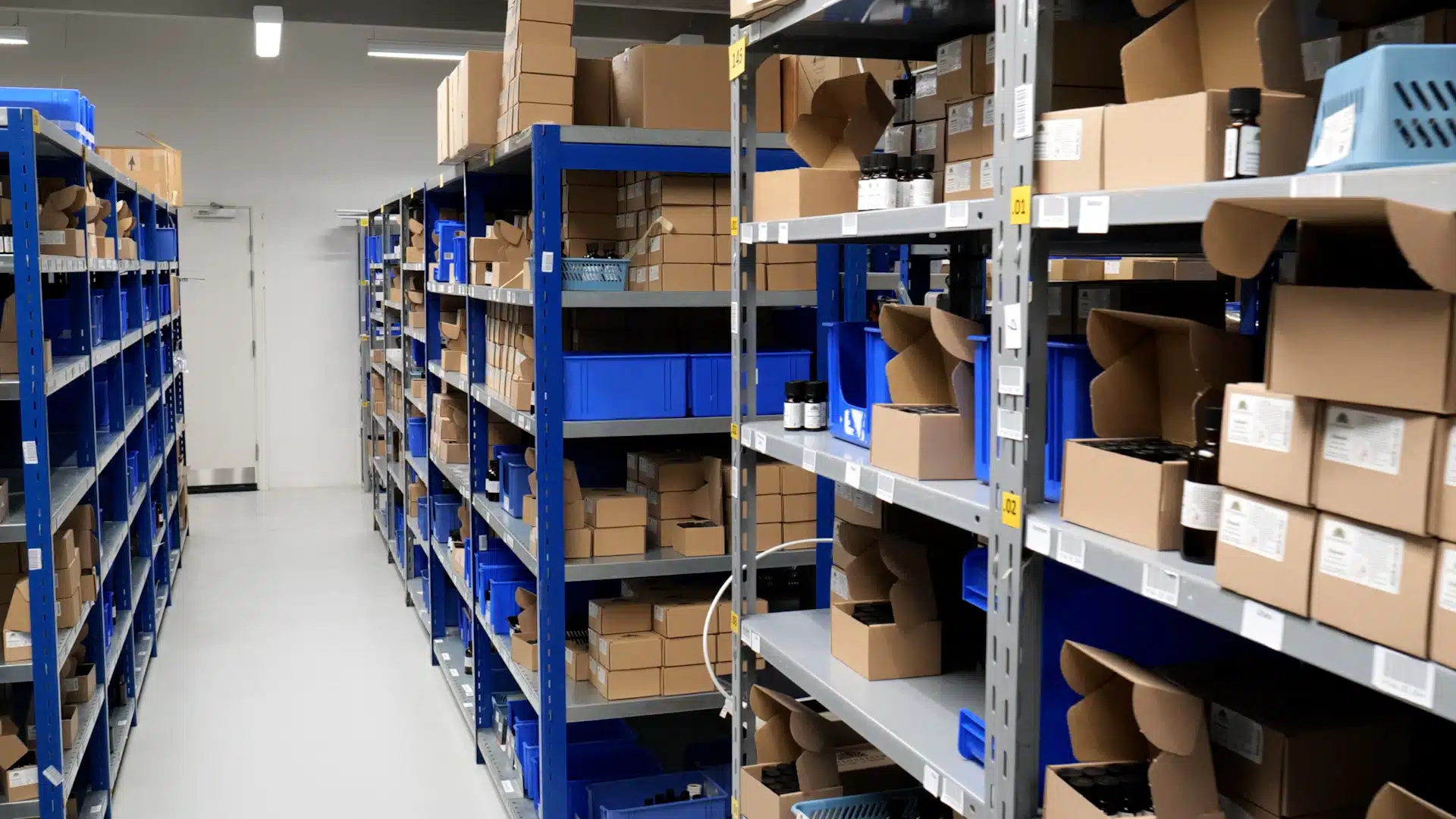
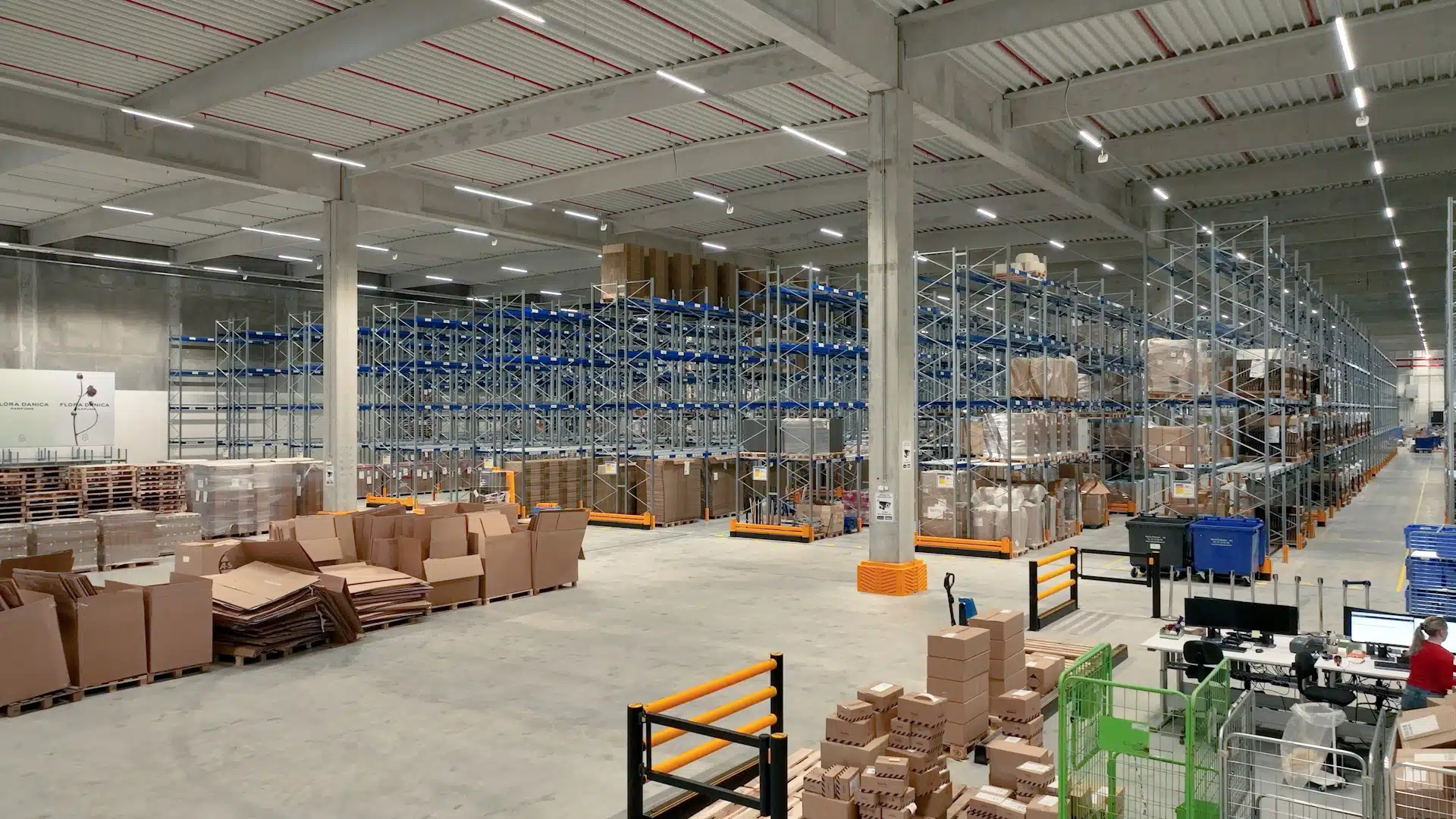
Small warehouses often have limited space, so it's important to make the most of every square meter. A warehouse management app can help plan and organize the warehouse so that the most in-demand items are easily accessible, while less in-demand items can be stored further away. This saves time and reduces the costs of maintaining the warehouse.
Increased Traceability and Transparency
Real-Time Tracking
By implementing a warehouse management app, you gain the ability to track your items in real-time. This means you can follow an item's journey from the moment it arrives at the warehouse until it is shipped to the customer. Real-time tracking improves transparency and allows you to quickly identify and resolve any issues.
Enhanced Customer Service
With increased traceability, you can also improve your customer service. Customers can receive accurate information about when their items will be delivered, and should any problems arise, you can quickly notify them and find a solution. This can lead to more satisfied customers and repeat purchases.

Integration and Collaboration
A key feature of warehouse management apps is their ability to integrate with other systems such as ERP and MES. This ensures that all your business systems work together seamlessly. Read more about integration to ERP in a WMS project and how it can benefit your business.
Conclusion
A warehouse management app can be a crucial factor for small e-commerce businesses looking to optimize their warehouse operations. By streamlining processes, optimizing warehouse space, increasing traceability, and integrating with other systems, you can achieve a more streamlined and efficient operation. If you want to learn more about how you can improve your warehouse management, you can also read our article on success with e-commerce warehouse.
For more information on warehouse management and how you can implement these solutions in your business, feel free to read more here or contact an expert.
Take the first step towards a more efficient warehouse today!
Future Technologies in Warehouse Management
AI and Machine Learning
One of the most exciting developments in warehouse management is the use of artificial intelligence (AI) and machine learning. These technologies can help predict inventory needs, optimize picking processes, and even suggest the most efficient way to organize the warehouse. By analyzing large amounts of data, AI can provide insights into patterns and trends that humans might not detect.
Internet of Things (IoT)
The Internet of Things (IoT) is also playing a growing role in warehouse management. By connecting devices and sensors, IoT can provide real-time updates on warehouse conditions such as temperature, humidity, and movement. This can be particularly useful for warehouse facilities handling temperature-sensitive goods or requiring strict environmental controls.
Sustainability in Warehouse Management
There is an increasing focus on sustainability in all aspects of business, and warehouse management is no exception. By implementing environmentally friendly practices such as reducing energy consumption, recycling materials, and optimizing transport routes, companies can not only reduce their environmental footprint but also achieve cost savings. Warehouse management apps can help identify areas for improvement and provide data to support sustainable decisions.
Challenges of Implementing Warehouse Management Apps
While the benefits of warehouse management apps are many, implementation can also present challenges. An initial investment in software and hardware may be necessary, and there may be a learning curve for staff. Furthermore, it is important to choose an app that fits the company's specific needs and can scale with the business as it grows.
Customization and Flexibility
One challenge is finding a solution flexible enough to adapt to changes in the business. This can include integration with new systems, adaptation to changing inventory needs, or support for multiple locations. A good warehouse management app should be able to grow and evolve with the company.
Final Thoughts
Warehouse management apps represent a significant opportunity for small and medium-sized e-commerce businesses looking to improve their efficiency and customer satisfaction. By choosing the right solution and implementing it correctly, companies can achieve significant benefits that extend beyond just warehouse management to encompass the entire business operation.
Extended Features and Future Opportunities
Blockchain Technology
Another technology gaining traction in warehouse management is blockchain. By using blockchain, companies can ensure that all transactions and movements of goods are recorded in an immutable and secure system. This can improve security and reduce the risk of fraud or errors in warehouse management.
Robotics and Automation
Robots and automated systems are gradually becoming more common in warehouse management. These technologies can help minimize manual labor, increase the speed of warehouse operations, and reduce the risk of workplace accidents. Automated picking and packing systems can also improve accuracy and efficiency in order fulfillment.
By staying updated with the latest technologies and trends in warehouse management, companies can ensure they remain competitive and capable of meeting customer expectations. It is important to evaluate and integrate relevant technologies that can contribute to the company's long-term success.
Share post:
Want to learn more about Warehouse Management Systems?
Need help figuring out whether a warehouse management system is the right fit for your business? You’re always welcome to get in touch – and together we’ll find the best solution for your needs.

Christian Mikkelsen
CCO, Apport Systems
E: [email protected]
T: +45 4177 6304
Christian Mikkelsen
CCO, Apport Systems
E: [email protected]
T: +45 4177 6304