
Warehouse Management with Software in a Busy Everyday
01/10/2026

Carsten
COO, Apport Systems
How can warehouse management software improve daily operations?
Improve daily warehouse operations with the right software. See how warehouse management software can create better control and efficiency. Busy warehouse operations require clear processes and reliable systems. In this article, we look at how warehouse management software can improve visibility, support faster decisions and help you manage daily operations more efficiently.Did you know..
- Software automatiserer manuelle processer.
- Integration med ERP er afgørende.
- Skalerbar software vokser med virksomheden.
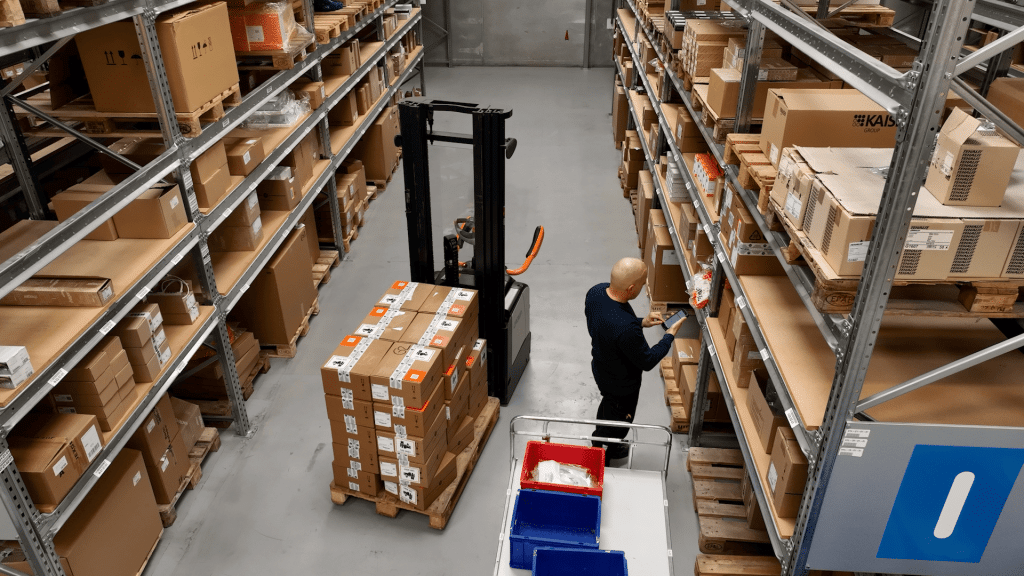
Benefits of Using Warehouse Management Software
There are many benefits to using warehouse management software in your business. A key advantage is the ability to automate many of the manual processes, saving time and reducing errors. Warehouse management software also allows you to have a better overview of inventory and makes it easier to plan for future needs.
Choosing the Right Software
Choosing the right warehouse management software depends on several factors. It's important to consider your specific needs and goals. Are you focusing on streamlining processes, improving inventory overview, or enhancing customer service? Regardless, you should choose a solution that can integrate with your existing system and scale as your business grows.
Integration with Existing Systems
An important consideration is how the new software will integrate with your current systems like ERP or CRM. Seamless integration is crucial to ensure you get the full benefit from your warehouse management software. Read more about integration between ERP and WMS in our article on ERP and WMS with Clear Roles in Warehouse Management.
Scalability and Flexibility
Scalability is another key factor when choosing warehouse management software. Your business grows, and your needs change. A flexible software solution can be adapted to always suit your company's size and requirements. This ensures that warehouse management remains efficient, even as the business grows.
Implementing Warehouse Management Software
Implementing new software can be a challenge, but it's also an opportunity to optimize your processes. Make sure you have a clear plan that includes employee training and a phased introduction of the system. This will ensure that the transition is as smooth as possible.
Did you know..
- AI forbedrer lagersikkerhed.
- Real-time data identificerer flaskehalse.
- Bedre lagerstyring øger kundetilfredshed.

Improving Warehouse Processes with WMS
A Warehouse Management System (WMS) can play a central role in improving warehouse management. It allows you to accurately track items, optimize storage space, and handle order processing more efficiently. Learn more about how you can optimize your warehouse management with a modern WMS in our article on modern WMS.
Optimizing Goods Receipt
Goods receipt is a crucial part of warehouse management, and with a good warehouse management system, this process can be significantly streamlined. This ensures that items are quickly and accurately recorded and stored correctly. For more information, see our article on efficient goods receipt.
Advanced Features in Warehouse Management Software
Modern warehouse management software comes with a range of advanced features that can help improve efficiency. Features such as real-time data and analytics make it possible to make informed decisions quickly. Using data, you can anticipate inventory needs and take proactive steps to meet them.
Real-Time Data and Analytics
With access to real-time data, companies can quickly identify bottlenecks and inefficiencies in their warehouse processes. Analytics can provide insights into patterns and trends, making it easier to optimize warehouse operations. This helps reduce costs and improve overall efficiency.
Automation with AI and Robotics
Automation using artificial intelligence (AI) and robotics is becoming increasingly common in warehouse management. These technologies can perform routine tasks faster and with greater precision than humans, freeing up time for more complex tasks. Automation can also help improve safety and reduce the risk of human errors.
Best Practices for Effective Warehouse Management
There are several best practices that companies can follow to ensure effective warehouse management. Regular evaluation of processes, continuous employee training, and investment in the latest technology are just a few ways companies can improve their warehouse management operations.
Regular Process Assessment
It's important to continually evaluate warehouse processes to identify areas for improvement. This can include reviewing procedures, assessing warehouse layout, and analyzing employee performance. By identifying inefficient processes, companies can implement changes that improve overall productivity.
Customer Satisfaction and Warehouse Management
Effective warehouse management has a direct impact on customer satisfaction. Quick and accurate order processing ensures that customers receive their items on time, which can lead to increased customer loyalty. By focusing on warehouse management, companies can improve their customer service and strengthen their competitive edge.
Conclusion
Warehouse management software can transform your daily operations by making processes more efficient and providing better oversight. Choosing the right software that can integrate with your existing systems and is scalable is crucial for success. Implementation should be carefully planned to ensure a smooth transition. With the right WMS, you can further improve your warehouse management and tackle the challenges of a busy everyday. For more information on how you can create a warehouse that keeps up, read our article on warehouse management in growing businesses.
FAQ
Del indlæg:

Christian Mikkelsen
CCO, Apport Systems
Har du brug for hjælp til at vurdere hvorvidt et lagerstyringssystem er det rigtige for din virksomhed? Du er altid velkommen til at kontakte mig, så vi sammen kan finde frem til den bedste løsning for din virksomhed.