Strategies for Effective Warehouse Management
To tackle these challenges, e-commerce companies can implement a range of strategies. One of the most effective solutions is to use a Warehouse Management System (WMS) across all locations. A WMS can provide a comprehensive overview of inventory, making it easier to make informed decisions.
Implementing a WMS
A Warehouse Management System is a critical component in modern warehouse management. It allows companies to track inventory in real-time, optimize storage space, and improve the efficiency of warehouse processes. For more information on how a WMS can transform your warehouse management, you can read our article on the recipe for success with e-commerce.
Automation and AI
Automation and Artificial Intelligence (AI) play an increasing role in warehouse management. By automating routine tasks, companies can reduce errors and free up time for more strategic activities. AI can also be used to analyze large datasets to identify patterns and provide recommendations. Read more about the future of warehouse management in our article on AI and automation.
Cross-docking
Cross-docking is a logistics practice that can help reduce inventory costs and improve efficiency. By moving products directly from the receiving area to the shipping area, companies can minimize inventory and expedite the delivery process. However, this practice requires a high degree of coordination and precision.
The Value of Strong Supplier Relationships
To ensure effective warehouse management, it is also important to have strong relationships with suppliers. Good supplier relationships can lead to better prices, faster delivery times, and more flexible terms. It is crucial to choose suppliers who can meet the company's needs and scale with growth.
Negotiating Terms
Effective negotiations with suppliers can result in significant savings and improved terms. It is important to have clear objectives and be prepared to negotiate on price, delivery, and other terms. Mutual understanding and collaboration can lead to long-lasting and productive relationships.
Supplier Integration
Integrating suppliers into inventory management systems can provide a smoother and more transparent supply chain. By sharing real-time data, companies and their suppliers can respond more quickly to changes in demand and unexpected events. This promotes a more proactive approach to inventory management and reduces the risk of supply disruptions.
Technological Advancements and Trends
The technological development in warehouse management is constantly advancing, with new solutions helping companies manage complex supply chains more efficiently. From robotics to advanced tracking systems - the future of warehouse management is exciting and innovative.
Robotics
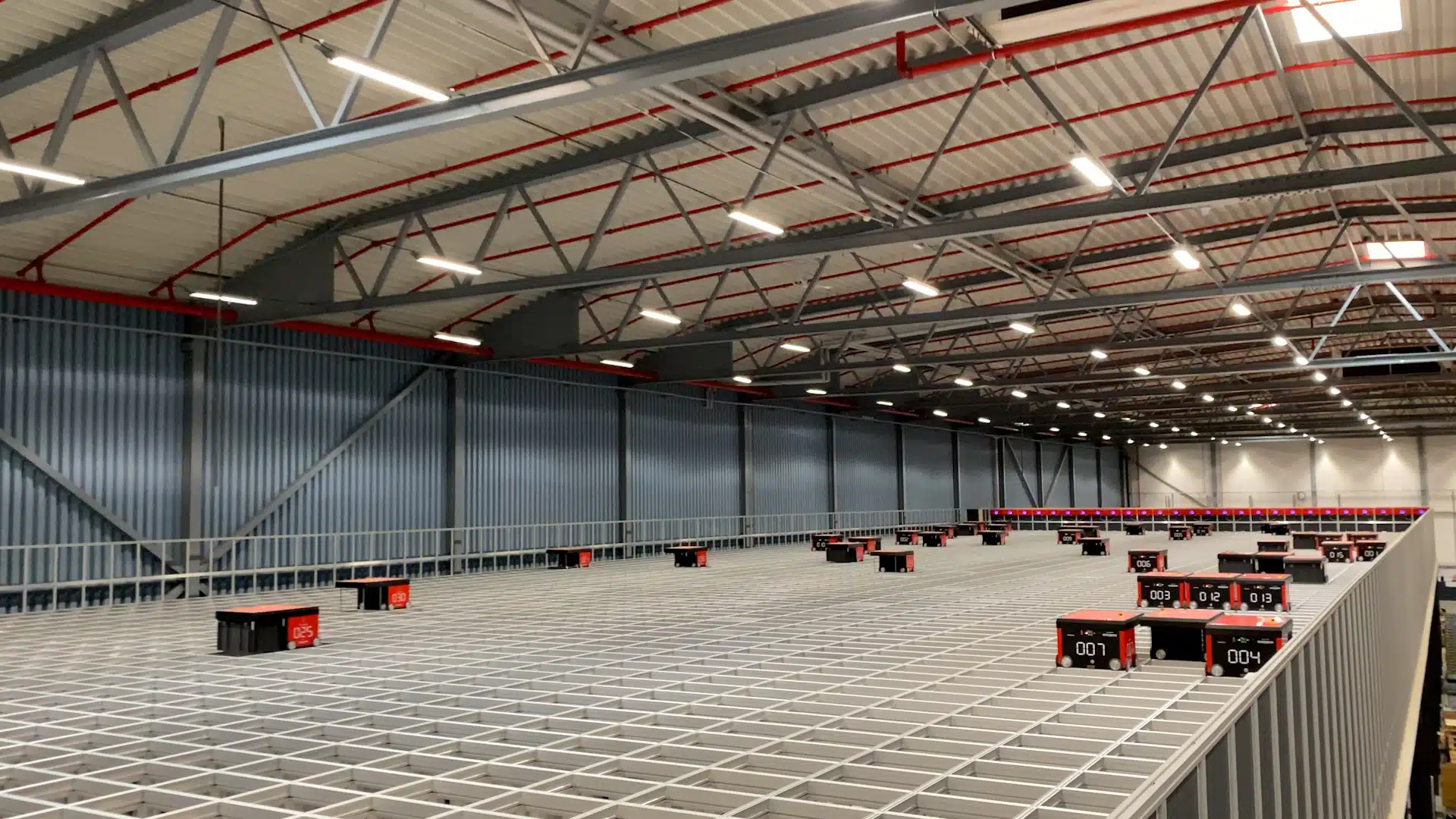
Robotics is increasingly being used in warehouses to automate picking, packing, and sorting processes. Robots can work around the clock, increasing productivity and reducing costs. They can also minimize human errors and improve safety in the warehouse.
Internet of Things (IoT)
IoT devices enable data collection from various points in the warehouse and supply chain. This data can be used to monitor inventory, optimize picking routes, and improve maintenance schedules. IoT creates a more connected and intelligent inventory management process.