
Warehouse Logistics for Wholesalers – How to Handle More Products and More Demands
02/04/2026

Christian
CCO, Apport Systems
Introduction to Warehouse Logistics
For small e-commerce businesses experiencing growth, warehouse logistics can quickly become a challenge. How do you handle more products while meeting increasing customer demands? In this article, we will step-by-step guide you on how to optimize your warehouse logistics and ensure efficient operations, even when the pressure mounts.
Understanding Warehouse Logistics
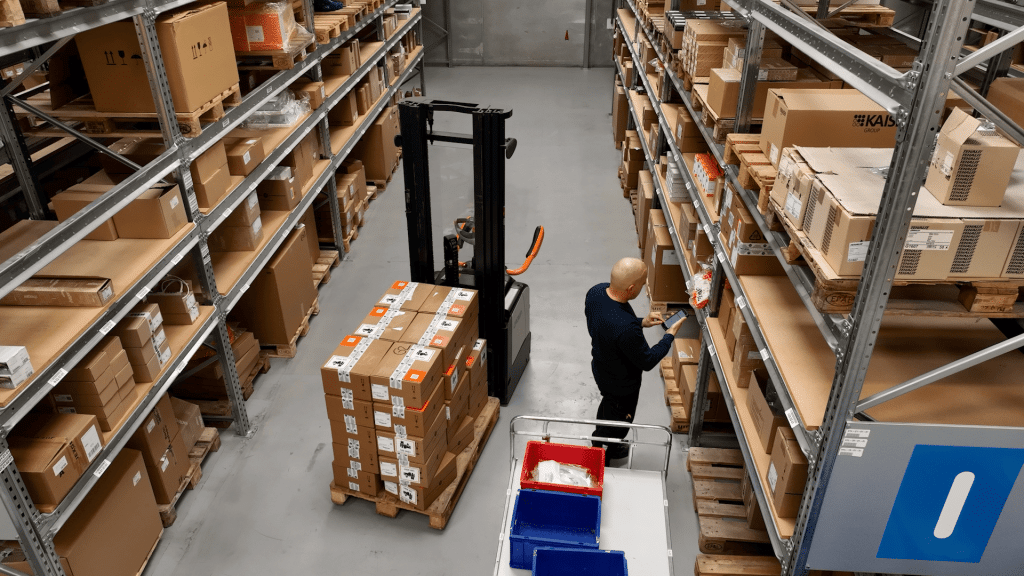
Before diving into specific strategies, it's essential to understand what warehouse logistics entails. Warehouse logistics involves organizing, storing, and moving goods in a warehouse. The goal is to make these processes as efficient as possible to reduce costs and improve customer satisfaction.
Planning Warehouse Space
A key component of warehouse logistics is planning warehouse space. It's crucial to have a clear understanding of the type of products you store and how much space they require. Consider how you can use your current space more efficiently. Also, consider whether it's time to invest in a Warehouse Management System (WMS) that can help optimize space utilization.
Automation and Technology
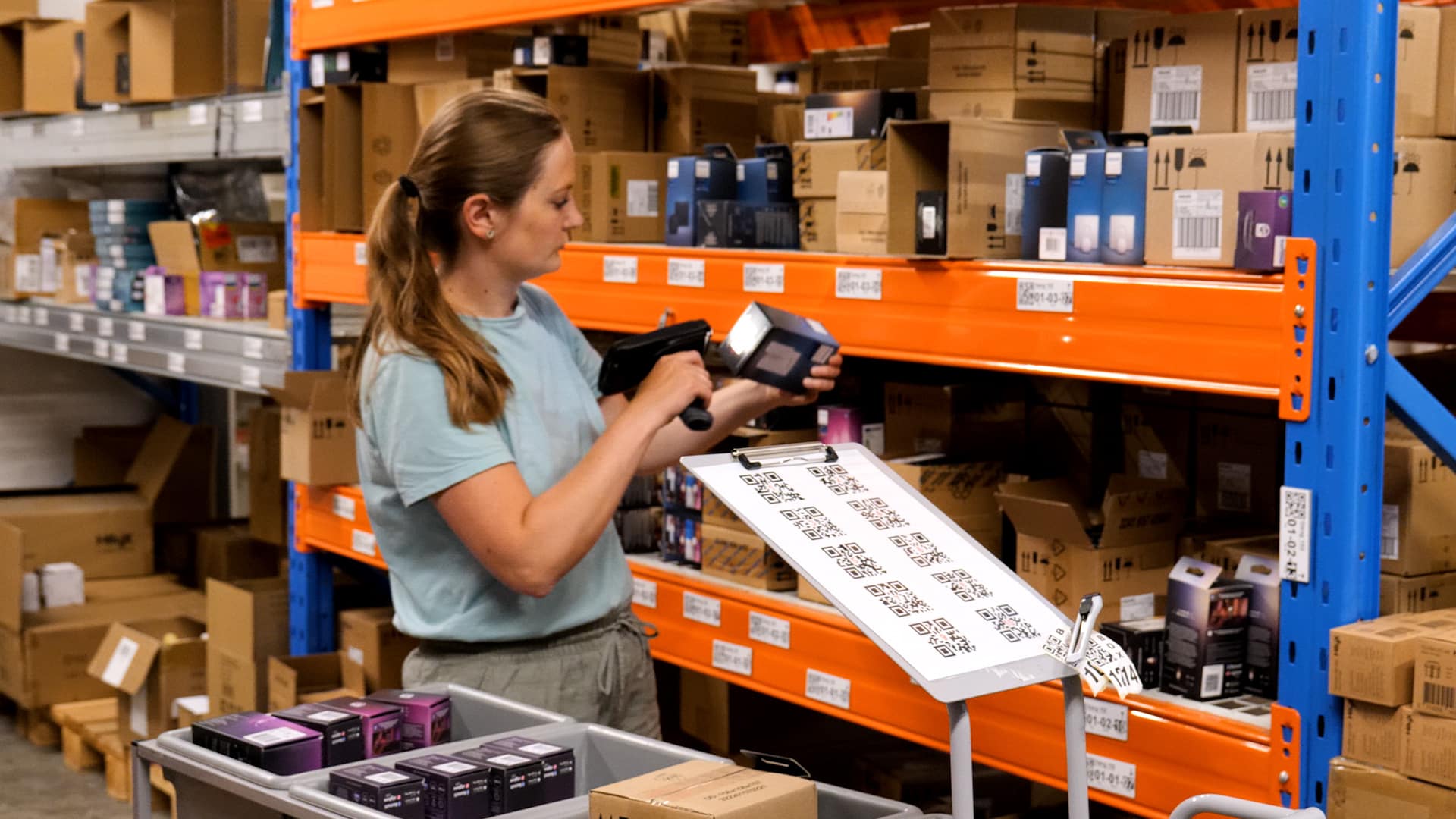
Automation can play a significant role in improving warehouse logistics. By automating repetitive tasks, you can free up time for employees to focus on more complex tasks. Consider technological solutions like barcode scanning and inventory management software that can help keep track of inventory in real-time. For more inspiration, you can read about the future of warehouse management.
Handling More Products
One of the biggest challenges in warehouse logistics is managing an increasing number of products. Here are some tips to make this process more manageable:
Categorizing Products
Start by categorizing your products based on relevance and sales frequency. Products that sell well should be more readily accessible in the warehouse. It may also be helpful to group items that are frequently purchased together to facilitate the picking process.
Implementing the FIFO Principle
FIFO stands for "First In, First Out" and is a method to ensure that the oldest products are sold or used first. This can help reduce waste and ensure that products do not exceed their expiration date.
Meeting Customer Demands
As a warehouse and logistics manager, it's important to understand customers' needs and expectations. Fast delivery is often a top priority for customers, so it's crucial to have efficient processes in place to meet these demands. Read more about how the warehouse can play a role in e-commerce success.
Efficient Order Processing
A streamlined order processing system ensures that customers receive their products quickly and efficiently. Consider implementing technologies that automate order handling and ensure that warehouse staff is well-trained in these systems.

Improving the Sustainability of Warehouse Logistics
An important consideration in modern warehouse logistics is sustainability. By implementing environmentally friendly practices, companies can not only reduce their environmental impact but also achieve cost savings.
Reducing Waste
Reducing waste in the warehouse can have a significant positive impact on the environment. This can be done by optimizing packaging, reusing materials, and implementing recycling programs.
Optimizing Transportation
Transportation is a major part of warehouse logistics, and it is where many companies can make a difference. By planning routes better, using fuel-efficient vehicles, and combining shipments, companies can reduce their carbon footprint.
Employee Training and Development
Employees are a vital part of the warehouse's success. Investing in training and development can improve efficiency and employee satisfaction.
Upskilling
By offering courses and training in new technologies and logistics strategies, employees can stay updated with the latest trends and methods, leading to improved productivity.
Motivation and Engagement
A motivated workforce is a productive workforce. By creating a positive work environment and offering incentives, employee engagement can be increased.
Conclusion and Next Steps
Handling more products and demands in warehouse logistics can seem overwhelming, but with the right strategies and tools, it can become a smooth process. Start by evaluating your current setup and identifying areas for improvement. Remember, the key is to remain flexible and ready to adapt to changes in the market.
Are you ready to take the next step towards more efficient warehouse logistics? Visit our blog for more tips and strategies to optimize your warehouse management.
Do you have questions or need further advice? Contact us today and let us help you elevate your warehouse logistics to the next level.
The Future of Warehouse Logistics
As technology and consumer habits continue to evolve, warehouse logistics will need to adapt to keep pace with new demands and opportunities. The warehouse of the future is likely to be characterized by even more advanced technology and a higher degree of automation.
Integration of AI and IoT
Artificial Intelligence (AI) and the Internet of Things (IoT) have already begun making their mark in the warehouse world. AI can be used to predict demand and optimize inventory, while IoT devices can provide real-time data on the warehouse's condition and performance.
Flexibility and Scalability
One of the biggest challenges for the future warehouse will be to remain flexible and scalable. With the constant change in customer expectations and market dynamics, it will be crucial to adapt warehouse operations quickly and efficiently.
Environmental Responsibility
There will also be an increased focus on sustainability and environmental responsibility. Green warehouses using renewable energy and having minimal environmental impact will become more common as both consumers and businesses demand more environmentally friendly practices.
Closing Remarks
Optimizing warehouse logistics is an ongoing process that requires continuous evaluation and adaptation. By staying updated with the latest technologies and methods, companies can ensure they remain competitive in a rapidly changing world. With the right approach, warehouse logistics can be transformed from a challenge into a strength that drives business success.
Implementing Lean Principles in Warehouse Logistics
Lean principles can be an effective approach to improving efficiency in warehouse logistics. By focusing on eliminating waste and optimizing processes, companies can enhance their production capacity and reduce costs.
Identifying Waste
The first step in implementing Lean principles is to identify areas where waste occurs. This can be unnecessary movements of goods, overproduction, or waiting times. By mapping processes, one can better understand where improvements can be made.
Continuous Improvement
Lean is not just about making one-time changes but about creating a culture of continuous improvement. By involving employees in the process and encouraging suggestions for improvements, a dynamic and adaptable workplace can be created.
Using Data for Optimization
Data analysis plays an increasingly important role in warehouse logistics. By collecting and analyzing data, companies can gain insights into their operations and identify opportunities for optimization.
Predictive Analytics
Predictive analytics can help forecast demand and optimize inventory. By using historical data, companies can adjust their warehouse strategy and ensure they have the right products at the right time.
Real-time Monitoring
By implementing real-time monitoring systems, companies can get an instant overview of the warehouse's condition. This allows quick responses to changes in demand or inventory status, ensuring more efficient operations.
Conclusion on Warehouse Logistics
Warehouse logistics is a complex but essential part of any e-commerce business. By understanding the basic principles and implementing the right strategies, companies can not only improve their efficiency but also gain a competitive edge. The future of warehouse logistics is bright, with many opportunities for innovation and improvement, and by staying updated with the latest trends and technologies, companies can ensure their success in the long term.
Effective Warehouse Management in Practice
Understanding theory and concepts is important, but how do you implement these principles in daily warehouse operations? Here are some practical steps to achieve more effective warehouse management:
Using Warehouse Management Software
Modern warehouse management software can provide a comprehensive overview of the warehouse's condition. Choose a solution that fits your company's size and needs. The software can help track inventory, plan replenishments, and handle orders more efficiently.
Optimizing Layout
A well-organized warehouse layout can reduce the time spent picking and packing orders. Ensure that items frequently bought together are located close to each other, and that best-selling products are easy to access.
Implementing KPIs
Key Performance Indicators (KPIs) can provide insights into how the warehouse is performing. Define clear goals for picking accuracy, order processing time, and inventory turnover rate. Regularly monitor these KPIs to identify potential areas for improvement.
Technological Advances and Their Impact
Technology plays a crucial role in the development of warehouse logistics. Here are some of the latest technologies that can transform warehouse operations:
Robotics
Robots can help automate picking, packing, and sorting of goods. They can also be used to transport goods within the warehouse, reducing the need for manual labor and increasing efficiency.
Blockchain for Traceability
Blockchain technology can be used to enhance traceability and transparency in the supply chain. By maintaining an immutable record of all transactions, companies can better track the origin and movement of goods through the supply chain.
Virtual and Augmented Reality
Virtual and augmented reality can be used to train employees in warehouse operations and safety. These technologies can simulate the warehouse environment, allowing employees to practice in a safe and controlled space.
Share post:
Want to learn more about Warehouse Management Systems?
Need help figuring out whether a warehouse management system is the right fit for your business? You’re always welcome to get in touch – and together we’ll find the best solution for your needs.

Christian Mikkelsen
CCO, Apport Systems
E: [email protected]
T: +45 4177 6304
Christian Mikkelsen
CCO, Apport Systems
E: [email protected]
T: +45 4177 6304
Did you read one of these blogposts?

Logistics Management Without Manual Errors and Reentry
Do you want to avoid manual errors in logistics management? Are you tired of repeated reentries in your warehouse management
