
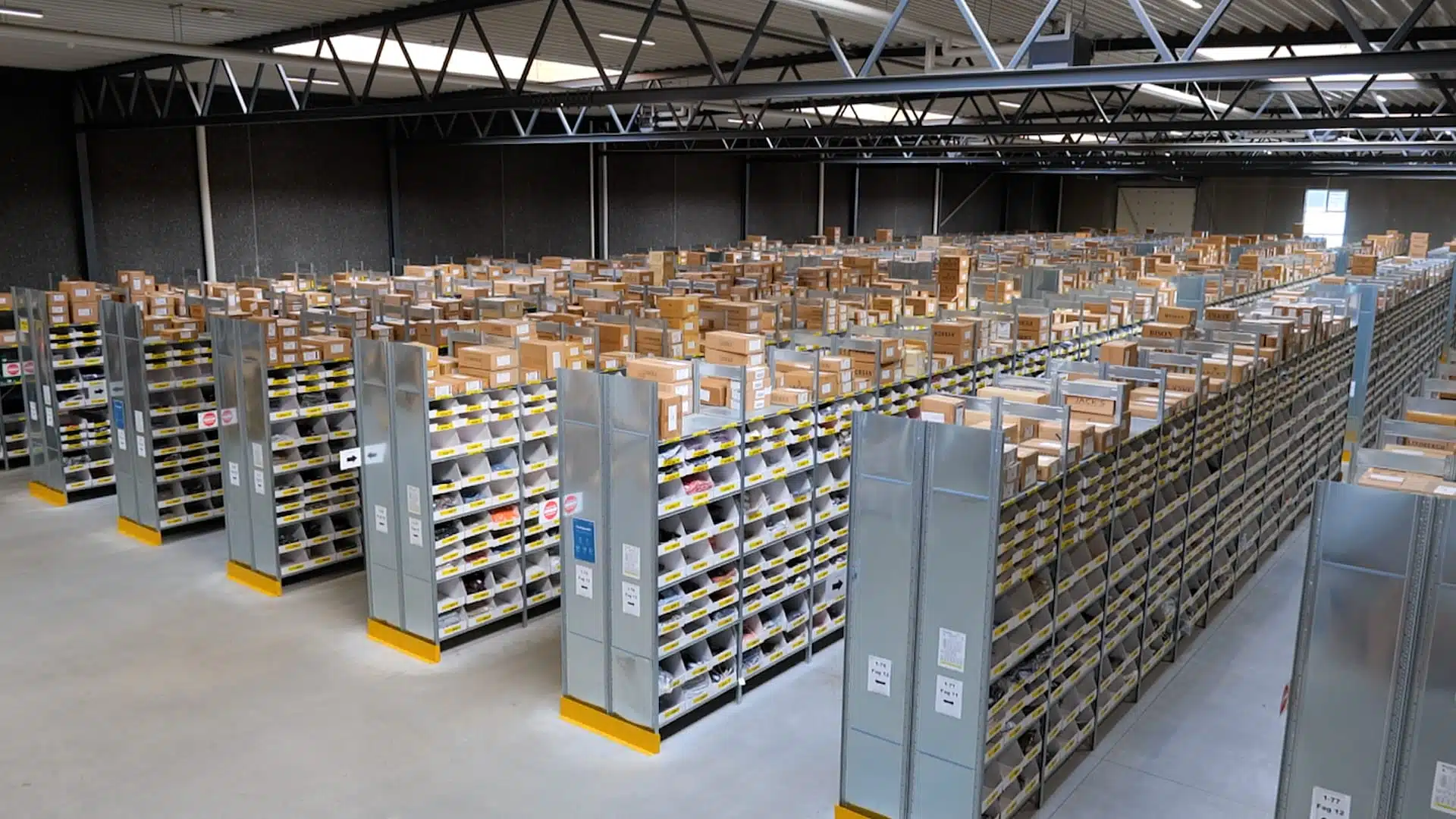
Warehouse and production in one logistics solution
Last updated
22/10/2026

Kim
CTO & CPO, Apport Systems
Benefits of an integrated logistics solution
An integrated logistics solution that combines warehouse management and production offers many advantages for companies looking to improve their operational efficiency. Firstly, it provides a consolidated overview of both inventory and production processes, making it easier to plan and optimize resources. This can lead to reduced costs and less waste.
Moreover, such a solution can improve data integrity by ensuring that information is consistent and up-to-date across systems. This is particularly important for IT and systems managers focused on integrations and data. By having a single source of truth, decisions can be made faster and with greater confidence.
By integrating warehouse and production, companies can reduce picking errors and improve the accuracy of inventory management. This is because the systems work together to provide real-time data that can be used to enhance the planning of both warehouse functions and production. Thus, companies can better adapt to changes in demand.
An integrated solution can also facilitate the implementation of automation, which is essential for automation-ready warehouses. Automating repetitive processes can free up time and resources that can be used for more value-added activities. Read more about warehouse management systems.
Another advantage of an integrated logistics solution is the ability to quickly adapt to changing market conditions. For example, a company experiencing a sudden increase in demand can easily adjust production plans and inventory levels without worrying about data disruptions. This level of flexibility is crucial in a world where consumer preferences can change rapidly.
Did you know
- Automation reduces errors.
- Real-time data improves decisions.
- AI optimizes warehouse processes.
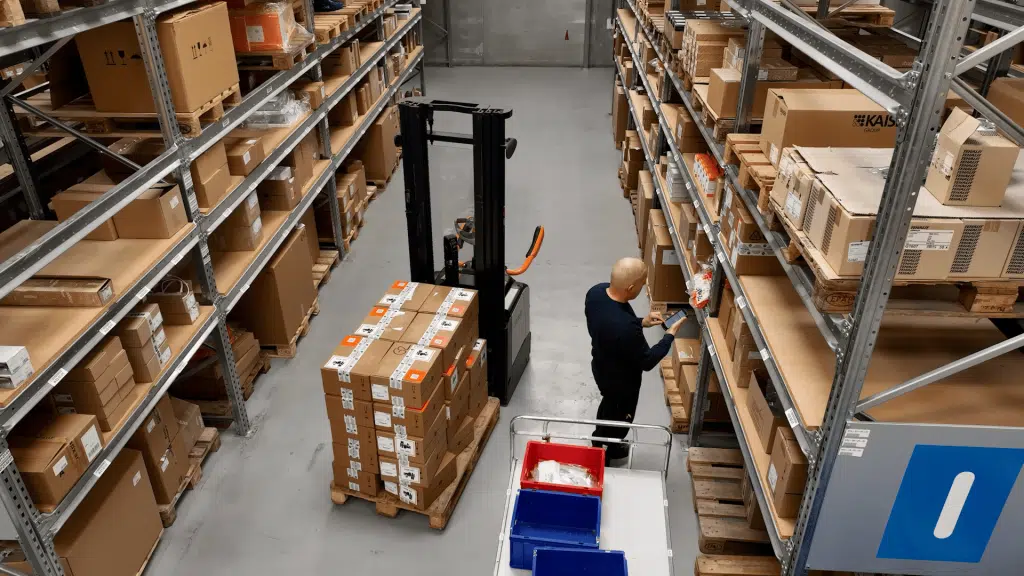
Efficiency through data and integration
For IT and systems managers, it is essential that the logistics solution can be seamlessly integrated with existing IT systems. This ensures that data can flow freely between different modules and functions, which is necessary to fully utilize the system’s capabilities. A well-integrated solution minimizes the risk of data loss and errors, which can have significant consequences for operations.
Additionally, real-time data can give companies a competitive edge by enabling quick and accurate decision-making. With access to up-to-date information, companies can respond swiftly to market changes and customer needs. Read more about WMS and efficiency.
A hypothetical situation could be a company that integrates its logistics systems with a supplier’s data systems to improve the supply chain. This can lead to better visibility over inventories and more accurate demand forecasting. By sharing real-time data, companies can ensure they always have the necessary products in stock and avoid both surpluses and shortages.
Security is another crucial factor when it comes to data management in logistics solutions. A robust solution must protect sensitive data from unauthorized access and ensure that information is available when needed. This requires both strong technological solutions and clear procedures for data handling.
It is also important that the system is reliable and can handle high loads without compromising performance. This is especially critical for manufacturing companies where downtime can have significant economic consequences.
To ensure both security and reliability in logistics solutions, it is important to use advanced security protocols such as encryption and multi-factor authentication. An example could be a company that uses blockchain technology to ensure that data cannot be manipulated or accessed by unauthorized parties. This builds trust both internally and externally, as customers and partners can be assured that their data is handled responsibly.
Did you know
- Integration reduces picking errors.
- Blockchain ensures data integrity.
- Automation frees up resources.

Automation and the future of logistics
Automation plays a central role in modern logistics solutions. By automating repetitive and manual processes, companies can save time and improve precision in their operations. Automation can also help reduce errors and improve efficiency, which can collectively enhance the company’s bottom line.
The logistics solutions of the future will increasingly rely on advanced technologies such as AI and machine learning. These technologies can help companies predict demand patterns and optimize their warehouse and production processes. Read more about warehouse management in growth companies.
Automation can also improve the work environment by reducing the need for physically demanding tasks, thereby reducing the risk of work-related injuries. For example, automated warehouse systems can handle heavy lifting tasks, freeing employees for more complex and value-added tasks. This can further contribute to employee satisfaction and retention.
Implementing technologies such as AI and machine learning can help companies predict demand patterns and optimize their warehouse and production processes. For example, a company can quickly analyze large data sets using AI to identify trends and make accurate forecasts. This allows for more efficient planning and reduces costs associated with overproduction or inventory overruns.
To fully benefit from automation in the logistics of the future, it is important that companies understand and prepare for the technological requirements. This includes investing in the necessary technologies, such as AI and robotics, and upskilling employees to work effectively with these new systems. A hypothetical example could be a mid-sized manufacturer looking to reduce manual handling of products. By implementing automated conveyors and robotic arm systems, they can not only reduce the time from production to delivery but also minimize errors and improve the work environment by eliminating heavy lifting tasks. However, it requires careful planning and potentially significant investments to ensure that the new technology is seamlessly integrated into existing processes.
Implementing a logistics solution
Implementing a new logistics solution requires careful planning and preparation. It is important to involve all relevant stakeholders from the start to ensure that the solution meets the company’s needs and requirements. A phased approach can often be the most effective, as it allows for testing and adjusting the system before it is rolled out on a full scale.
Additionally, it is important to train staff in using the new system to ensure everyone gets the most out of it. This may include both technical training and workshops focusing on the practical applications of the system.
To ensure successful implementation, it is also important to evaluate existing processes and identify potential bottlenecks that may affect the system’s efficiency. By considering these factors in advance, companies can better tailor the logistics solution to their specific needs and thus maximize the return on investment.
An effective implementation of a logistics solution may also involve ongoing support and updates from the provider. This ensures that the system remains relevant and can adapt to new technological advancements or changes in the company’s needs. An example of this could be regular software updates that introduce new features or improve existing processes, keeping the company competitive.
An integrated logistics solution that combines warehouse and production can provide significant advantages for companies looking to optimize their operations. By improving data integrity, security, and automation, companies can achieve more efficient and reliable operations. This article has highlighted the importance of data integration, security, and automation in modern logistics solutions. By investing in such a solution, companies can better meet future challenges and demands.
FAQ
How can automation reduce errors?
Automation can reduce errors by handling repetitive and manual processes, which improves precision in operations.
What is the advantage of real-time data?
Real-time data allows companies to make quick and accurate decisions based on up-to-date information.
How does AI help with warehouse management?
AI can analyze large datasets to identify trends and make accurate forecasts, optimizing warehouse and production processes.
How does integration reduce picking errors?
By integrating warehouse and production, systems work together to provide real-time data, reducing picking errors.
How does blockchain ensure data integrity?
Blockchain technology ensures that data cannot be manipulated or accessed by unauthorized parties, creating trust in data integrity.
How does automation free up resources?
Automation of repetitive processes can free up time and resources for more value-added activities.
How can AI improve production forecasts?
AI helps predict demand patterns by quickly and accurately analyzing large datasets, improving production forecasts.
What does a single source of truth mean?
A single source of truth means all systems have access to consistent and up-to-date data, enhancing decision-making.
How can automation impact the work environment?
Automation can reduce physically demanding tasks, improving the work environment and reducing the risk of work-related injuries.
What is the importance of data integration?
Data integration ensures information flows freely between systems, minimizing the risk of data loss and errors.
Del indlæg:

Christian Mikkelsen
CCO, Apport Systems
Do you need help assessing whether a warehouse management system is right for your business? You are always welcome to contact me so that together we can find the best solution for your business.

