
Warehouse and Logistics in Growing Companies – What Do You Need to Know?
01/04/2026

Christian
CCO, Apport Systems
Introduction to Warehouse and Logistics
As a warehouse and logistics manager in an e-commerce company, you may face various challenges when it comes to efficiently managing your warehouse. Especially if your company is growing, there may be a need for new solutions and optimizations. This article will guide you through the key aspects of warehouse and logistics that you should be aware of.
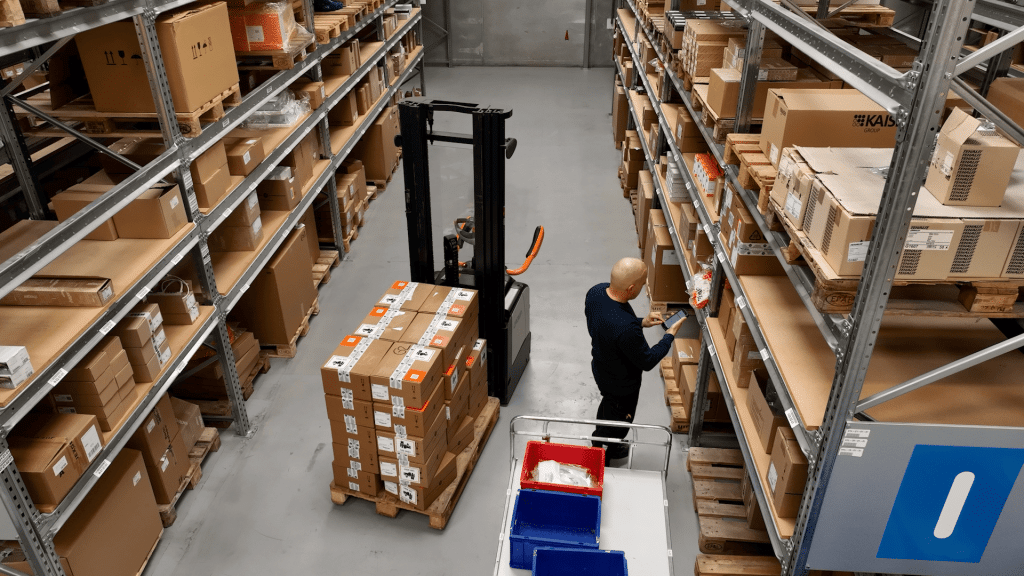
The Importance of a Well-Functioning Warehouse
An efficient warehouse is the heart of any e-commerce company. It ensures that your products can be delivered quickly and efficiently to your customers, which can be a crucial factor for your company's success. A well-functioning warehouse also reduces costs and improves customer experience.
Optimization of Warehouse Space
One of the first steps in achieving an efficient warehouse is optimizing the warehouse space. This may involve reviewing how items are organized and whether there is a need to change the layout to increase efficiency. Consider using Warehouse Management Systems (WMS) to help optimize space. Read more about how a WMS can help in our article here.
Implementation of Technology
Technology plays a significant role in modern warehouse management. Automation and the use of data can help predict inventory needs and optimize logistics processes. Consider investing in technologies that can help track inventory and improve order processing. Read more about the future of warehouse management here.
Logistics in Growing Companies
Logistics is not just about transporting goods from point A to B. It's also about ensuring that your goods reach customers quickly and in good condition. Growing companies often need to adapt their logistics strategy when expanding into new markets or increasing their product range.
Improving Delivery Speed
One of the biggest challenges in logistics is ensuring fast delivery to customers. This requires an efficient supply chain and collaboration with reliable carriers. Consider diversifying your delivery methods to reduce delays and improve customer service.
Handling Seasonal Fluctuations
Seasonal fluctuations can affect the demand for your products. It's important to prepare your warehouse for peak periods such as Black Friday and Christmas. Read more about how to prepare your warehouse for seasonal fluctuations here.
Strategies for E-commerce Success
To achieve success as an e-commerce company, it's crucial to have clear strategies for both warehouse and logistics. This includes everything from inventory management, logistics planning to customer service.
Customer Service and Returns Management
Good customer service can make a big difference. Ensure that your warehouse is equipped to handle returns efficiently. This can improve customer satisfaction and retain customers.

Efficient Warehouse Management and Sustainability
As a modern e-commerce company, it's important to consider sustainability in warehouse management. Implementing green initiatives can not only help reduce environmental impact but also improve the company's image.
Green Logistics
Consider implementing environmentally friendly initiatives such as energy-efficient warehouse facilities, using recyclable packaging materials, and optimizing transportation to minimize CO2 emissions. These initiatives can also be cost-saving in the long run.
Supplier Collaboration
Close collaboration with suppliers can help ensure a sustainable supply chain. Choose suppliers that are committed to sustainability and work together to optimize the process from production to delivery.
Dynamic Warehouse Management
To keep up with changing market trends, dynamic warehouse management is essential. This involves constant monitoring and adjustment of warehouse strategies based on data and analysis.
Data-Driven Decision Making
Using data analysis can reveal insights into consumer patterns and inventory needs, allowing for better inventory planning and reducing the risk of over or understocking.
Adapting to Market Trends
Be aware of changing customer needs and technological advancements to keep your business competitive. Quick adaptation to new trends can lead to better customer satisfaction and increased sales.
Conclusion
Having control over warehouse and logistics is crucial for any e-commerce company, especially in the growth phase. By optimizing your warehouse, implementing new technology, and improving your logistics, you can ensure that your business is ready to meet customer needs and grow in a competitive market. Read more about how the warehouse can contribute to success in e-commerce here.
Want to learn more about effective warehouse strategies? Contact us today for personalized advice.
Challenges and Solutions in Modern Warehouse Management
In the rapidly evolving world of e-commerce, warehouse companies face a range of new challenges. From rising customer demands to complex supply chains, it requires constant adaptation and innovation to remain competitive.
Handling Increasing Customer Demands
Customers now expect faster delivery times, easy return processes, and precise delivery tracking. To meet these demands, companies need to invest in advanced warehouse management systems and collaborate closely with their logistics partners.
Integration of Omnichannel Strategies
With the emergence of multiple sales channels, it has become crucial for companies to integrate their warehouse management with both online and physical sales strategies. This requires a more synchronized approach to warehouse management that can handle orders from different channels simultaneously.
Risks and Security in Warehouse Management
Another significant challenge is managing risks and security. This includes both physical security at the warehouse and data security regarding customer data and inventory information. Implementing robust security protocols and regular employee training can help minimize these risks.
The Future of Warehouse and Logistics
The future of warehouse management and logistics is filled with opportunities for innovation. With technologies such as artificial intelligence, robotics, and the Internet of Things (IoT), the potential to transform warehouse and logistics operations is enormous.
Artificial Intelligence and Automation
AI can help predict demand, optimize warehouse management, and improve customer service. Automation can also reduce human errors and increase efficiency in warehouse operations.
IoT and Smart Warehouse Management
Using IoT, inventory can be tracked in real-time, allowing for more precise inventory management and faster response to changes in demand. IoT devices can also improve the maintenance of warehouse equipment by monitoring their condition and performance.
Supply Chain Management and Future Trends
Understanding the entire supply chain is crucial for effective warehouse management. Future trends point to a more integrated and transparent supply chain, where technology and data play a central role.
Blockchain in the Supply Chain
Blockchain technology can promote transparency and security in the supply chain by recording all transactions in an immutable digital ledger. This can reduce fraud and improve the traceability of products.
Agile Supply Chains
Agility in the supply chain enables companies to quickly adapt to changes in the market and customer needs. This requires flexible processes and real-time data to make informed decisions.
In conclusion, the constant development in technology and consumer expectations creates both challenges and opportunities for the warehouse and logistics industry. By embracing innovation and adaptation, companies can ensure their long-term success in a dynamic market.
Innovative Solutions for Warehouse Management
With the increasing complexity of supply chains and customer demands, there is a need for innovative solutions in warehouse management. New technologies and strategies can help companies navigate these challenges and maximize efficiency.
Robotics in Warehouses
Robotics can revolutionize warehouse operations by automating manual processes such as picking, packing, and sorting. This can not only reduce labor costs but also improve the accuracy and speed of warehouse operations.
Virtual and Augmented Reality
Virtual and augmented reality can be used for employee training and warehouse planning. These technologies allow for simulating warehouse operations and planning warehouse layouts without physically altering the warehouse, saving time and resources.
Cloud-Based Warehouse Management Systems
Cloud-based systems offer flexibility and scalability, making them ideal for growing e-commerce companies. These systems can easily be adapted to different business needs and integrated with existing technologies to improve warehouse management and logistics.
These innovative solutions can help future-proof warehouse operations and ensure that companies remain competitive in a constantly changing world.
Share post:
Want to learn more about Warehouse Management Systems?
Need help figuring out whether a warehouse management system is the right fit for your business? You’re always welcome to get in touch – and together we’ll find the best solution for your needs.

Christian Mikkelsen
CCO, Apport Systems
E: [email protected]
T: +45 4177 6304
Christian Mikkelsen
CCO, Apport Systems
E: [email protected]
T: +45 4177 6304
Did you read one of these blogposts?

Logistics Trends 2026: How AI and Automation Will Shape the Future Supply Chain
Apport Systems has explored the key trends that will define the logistics industry in the coming year.