How can the warehouse contribute to a sustainable supply chain?
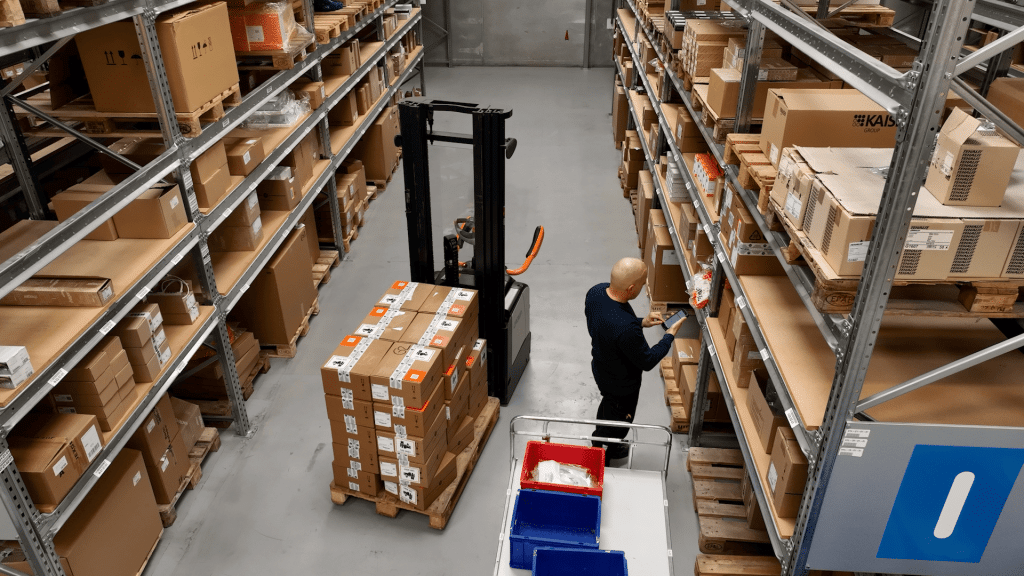
Do you want a more sustainable supply chain? See how the warehouse can reduce waste, optimise processes and improve efficiency. The warehouse plays a central role in building a more sustainable supply chain. By optimising warehouse processes, companies can reduce unnecessary resource consumption, improve efficiency and create better conditions for more responsible warehouse operations.
Efficient Warehouse Management as a Foundation for Sustainability
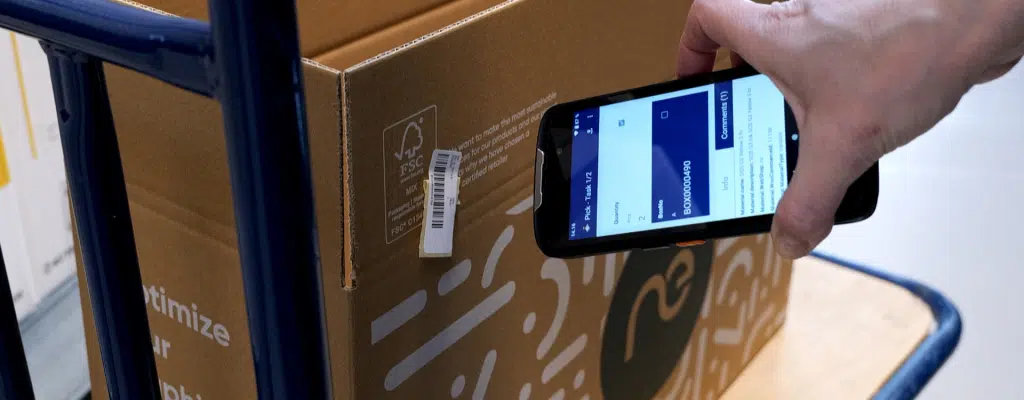
Efficient warehouse management is a cornerstone of a sustainable supply chain. By implementing an advanced Warehouse Management System (WMS), companies can gain better visibility over inventory and ensure optimal resource utilization. This can lead to reduced waste, lower energy consumption, and improved resource utilization.
Read more about how a WMS can transform your warehouse operations: Should the Warehouse Adapt to a WMS or Vice Versa?
Optimization of Warehouse Space
A well-organized warehouse reduces the need for extra space and thereby also energy consumption. By optimizing warehouse space, companies can minimize the number of necessary transport and handling tasks, resulting in lower CO2 emissions and reduced transport costs.
Automation and Technology
Automation plays an important role in creating more sustainable warehouse operations. Automated systems can enhance the efficiency and accuracy of the warehouse, reducing errors and improving resource utilization. Technological solutions such as robotics and AI can further strengthen the sustainability of the warehouse.
Read more about the future of warehouse management: The Future of Warehouse Management: AI and Automation
Eco-Friendly Materials and Packaging
The choice of materials and packaging has a direct impact on sustainability in the supply chain. By selecting recyclable and environmentally friendly materials, companies can reduce their ecological footprint. It is also possible to reduce waste by optimizing packaging design and size, using fewer resources.
Collaboration with Green Suppliers
To achieve a truly sustainable supply chain, it is important to collaborate with suppliers who also prioritize sustainability. By choosing suppliers who employ environmentally friendly practices, companies can ensure that their supply chain is sustainable from start to finish.
Energy Optimization in the Warehouse
Energy optimization is another important component of sustainable warehouse operations. By investing in energy-efficient lighting systems, like LED, companies can significantly reduce their energy consumption. Additionally, installing solar panels on the warehouse roof can generate renewable energy, further reducing dependence on fossil fuels.
Intelligent Climate Control
The implementation of intelligent climate control systems can also contribute to more sustainable warehouse operations. These systems automatically adjust the temperature and ventilation of the warehouse in real-time, minimizing energy consumption while ensuring optimal storage conditions for the products.
Transport and Logistics
Transport and logistics are often the most energy-consuming parts of a supply chain. To optimize these processes, companies can implement route optimization software, which helps plan the most efficient delivery routes. This reduces fuel consumption and CO2 emissions.
Use of Eco-Friendly Vehicles
The transition to electric or hybrid vehicles can also play a significant role in reducing the overall environmental impact of the supply chain. These vehicles emit fewer harmful substances and contribute to a cleaner atmosphere.
Conclusion
To achieve a sustainable supply chain, it is crucial to start with the warehouse. By implementing efficient warehouse management systems, optimizing warehouse space, utilizing technology, and choosing environmentally friendly materials, companies can reduce their environmental impact while improving operational efficiency. Energy optimization and optimized logistics solutions also play a significant role in this process. It's a win-win situation that benefits not only the environment but also the company's bottom line.
Share post:
Want to learn more about Warehouse Management Systems?
Need help figuring out whether a warehouse management system is the right fit for your business? You’re always welcome to get in touch – and together we’ll find the best solution for your needs.