
Sustainable Supply Chain Requires Traceability
11/09/2026

Carsten
COO, Apport Systems
Traceability in the Supply Chain: Why is it Important?
Improve supply chain traceability with better documentation, greater visibility and more efficient operations. Traceability plays an important role in distribution, wholesale and manufacturing companies. It provides better control over documentation and historical data while also supporting a more sustainable supply chain. An archiving module can help organise and retain important documentation, making it easy to find when needed.
- Traceability maps product journeys.
- WMS enhances supply chain traceability.
- RFID supports real-time data collection.
What Does Traceability Mean in a Supply Chain?
Traceability in the supply chain refers to the ability to map and document a product's journey throughout the entire supply chain, from raw materials to the finished product. This enables companies to monitor and optimize their processes and ensure compliance with environmental and ethical standards.
How to Achieve Traceability?
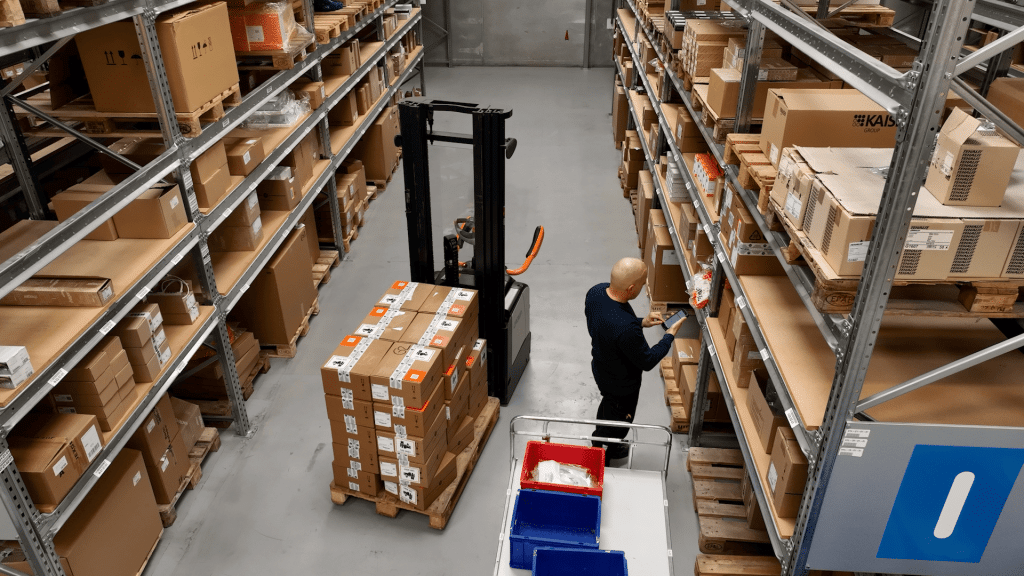
To achieve traceability, companies must implement systems that allow for detailed recording of product information. An effective warehouse management system (WMS) can play a central role in this process. Learn more about how a warehouse management system can improve oversight and reduce errors.
Traceability and Sustainability: A Natural Connection
Sustainability is becoming increasingly important in business, and a sustainable supply chain requires traceability. Traceability ensures that all steps in the supply chain adhere to sustainable practices, reducing environmental impact and ensuring responsible resource use.
How Does Traceability Affect Sustainability?
By tracking the journey of products, companies can identify inefficient processes and areas where resource use can be reduced. This leads to a more efficient use of materials and energy, which is essential for sustainable development.
- Blockchain increases supply chain transparency.
- AI predicts supply chain issues.
- Traceability improves risk management.

Implementing Traceability in Practice
Implementing traceability requires a strategic approach. It is important to choose the right technologies and systems that support your goals. A WMS can again be an invaluable component. For more information on how WMS can enhance warehouse management efficiency.
Technologies to Enhance Traceability
RFID, barcodes, and blockchain are some of the technologies that can support traceability. These technologies enable the collection and analysis of real-time data, providing deeper insights into supply chain performance.
Challenges of Traceability in Complex Warehouses
Complex warehouses handling various flows and special handling can face challenges in maintaining traceability. These challenges may include data management, system integration, and ensuring data integrity.
How to Handle the Challenges
To address these challenges, it is crucial to have a robust IT infrastructure and a team well-versed in the latest technologies. Using an advanced WMS can be a solution that helps coordinate different processes and ensure accurate data collection.
New Technology and Innovation in Traceability
The rapid development in technology opens up new opportunities to improve traceability in supply chains. Artificial intelligence (AI) and machine learning, for example, can be used to predict and resolve issues before they arise. By applying AI, companies can access analyses that identify bottlenecks and suggest optimization opportunities in real-time.
The Role of Blockchain Technology
Blockchain technology offers a decentralized method of recording and sharing information about products in the supply chain. This can increase transparency and reduce the risk of fraud or errors. Blockchain allows all parties in the chain to access the same data, creating trust among suppliers and customers.
Benefits of Traceability in the Supply Chain
Companies that implement traceability often experience a range of benefits. Besides improved sustainability and efficiency, traceability can also enhance customer satisfaction, as consumers gain more transparent information about the origin and manufacturing process of products.
Improved Risk Management
Traceability makes it easier to identify and minimize risks in the supply chain. By having detailed data on each step of the process, companies can quickly respond to unforeseen events such as recalls or supply issues.
The Future of Supply Chains
As the world becomes more globalized, the demand for traceability in supply chains will only increase. Companies that adapt to this development by implementing advanced technologies and focusing on sustainability will be better equipped for future challenges and opportunities.
Summary
Traceability is a crucial factor for achieving a sustainable supply chain. By implementing modern technologies and effective systems, companies can ensure that their supply chain is both efficient and responsible. For companies with complex warehouses, it is important to choose the right solutions that can handle the challenges that arise in day-to-day operations. Effective warehouse management can significantly contribute to this, and with the right tools, any company can make its supply chain more sustainable and traceable.
FAQ
What is traceability in a supply chain?
Traceability refers to mapping and documenting a product's journey throughout the entire supply chain, from raw materials to the finished product.
How does traceability improve sustainability?
Traceability helps identify inefficient processes and reduce resource use, leading to more efficient material and energy use.
What role does a WMS play in traceability?
A Warehouse Management System (WMS) plays a central role by enabling detailed recording of product information.
Which technologies support traceability?
Technologies like RFID, barcodes, and blockchain support traceability by enabling collection and analysis of real-time data.
How does blockchain enhance traceability?
Blockchain offers a decentralized method of recording and sharing information, increasing transparency and reducing fraud risks.
What challenges exist for traceability in complex warehouses?
Challenges include data management, system integration, and ensuring data integrity.
How can AI benefit supply chain traceability?
Artificial intelligence can predict and resolve issues before they arise, improving supply chain efficiency.
Why is traceability important for risk management?
Traceability provides detailed data on each process step, allowing quick responses to unforeseen events like recalls.
What benefits do companies gain from traceability?
Besides improved sustainability and efficiency, traceability enhances customer satisfaction by providing transparent product information.
How will future supply chains be affected by traceability?
As globalization increases, the demand for traceability will grow, pushing companies to adopt advanced technologies for better sustainability.
Del indlæg:

Christian Mikkelsen
CCO, Apport Systems
Har du brug for hjælp til at vurdere hvorvidt et lagerstyringssystem er det rigtige for din virksomhed? Du er altid velkommen til at kontakte mig, så vi sammen kan finde frem til den bedste løsning for din virksomhed.