Automated Warehouse System Without Halting Operations
For many warehouse and logistics managers, the question of how to implement an automated warehouse system without halting operations is crucial.


COO, Apport Systems
How can an order system optimize warehouse operations? What features should an effective order system have? How can warehouse and logistics managers in distribution and e-commerce companies benefit from modern technologies? An order system can revolutionize warehouse operations by enhancing efficiency and oversight. For busy warehouses with many orders, it is essential to have a system that can manage complexity and ensure that processes run smoothly and error-free.
Read more about warehouse management.
In an increasingly digitalized world, order systems play a central role in efficient warehouse management. For many businesses, especially within e-commerce and distribution, an order system can be crucial for maintaining competitiveness. This system not only enables the automation of routine tasks but also integrates seamlessly with existing technologies to create a harmonious workflow. Choosing the right system can be a complex process, but the right choice can lead to significant improvements in both efficiency and customer satisfaction.
An order system is an indispensable part of warehouse management today. It is designed to improve accuracy, increase speed, and reduce errors in order processing. For distribution companies and e-commerce businesses, where many orders are processed daily, an order system can make a significant difference.
An order system enhances warehouse operations by providing a comprehensive overview of all warehouse movements. It ensures that inventory is always up-to-date, reducing the risk of running out of stock or overstocking. For example, the system can automatically adjust inventory levels based on sales and deliveries, significantly easing inventory management. Additionally, the system can easily integrate with transportation and logistics systems to optimize delivery processes, further increasing efficiency.
An effective order system helps automate many tasks previously performed manually. This includes picking, packing, and shipping goods. By minimizing the human factor, companies can reduce errors and improve customer satisfaction. Read more about warehouse management for further insight.
Automation is key to efficiently managing a large number of orders. With an order system, warehouse managers can automate routine tasks, freeing up time for more strategic activities. The system can automatically generate pick lists, update inventory levels, and send notifications to customers about their order status.
Automation in an order system can also include advanced features such as automatic reordering of goods when inventory reaches a certain threshold. This ensures that there are always sufficient goods available without overstocking the warehouse. For warehouse managers, this means fewer concerns about inventory levels and more time to focus on strategic planning and improving warehouse processes.
A good order system should easily integrate with existing systems such as ERP and CRM. This ensures that all parts of the company work together and that there is a streamlined flow of information. Integration can also help avoid data duplication and ensure that all departments have access to up-to-date information.
Integration with existing systems ensures that all company departments work with the same data, eliminating duplication of effort and reducing errors. For example, the sales department can gain immediate access to inventory status, improving customer service by providing accurate delivery times. An integrated approach can also enhance reporting, as management can access consolidated data to make better decisions.
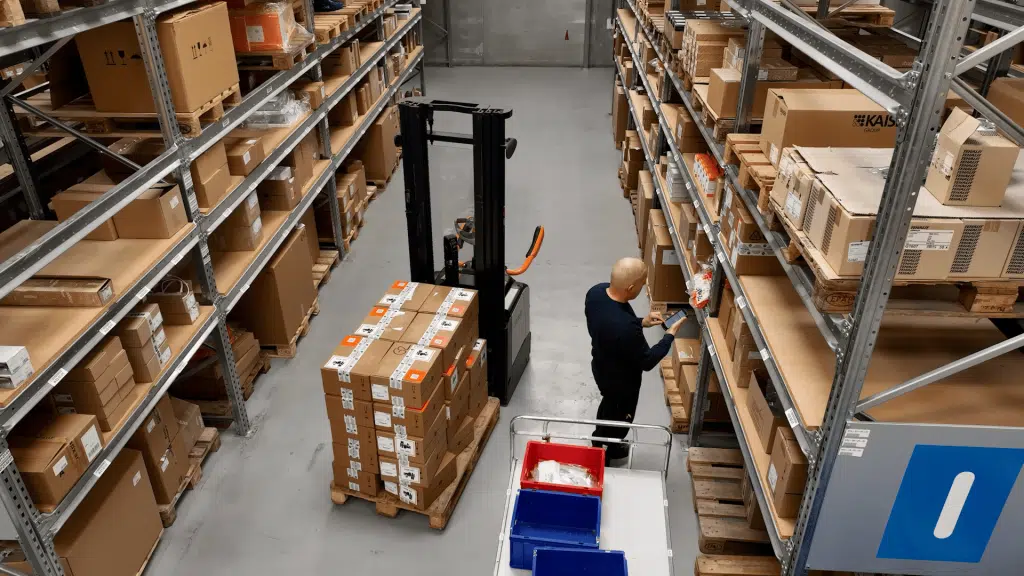
Choosing the right order system can be crucial for success. There are several factors to consider when selecting a system. First and foremost, the system must be scalable to grow with the company. It should also be user-friendly so that employees can easily learn to use it.
For companies looking to optimize their warehouse management, it is important to choose a system that offers real-time data and analytics. This allows for informed decision-making based on actual data rather than gut feelings. Read more about optimizing warehouse systems with Apport WMS.
When companies choose an order system, it is also important to consider support and maintenance. A system with good vendor support ensures that any technical issues can be resolved quickly, minimizing operational disruptions. Additionally, companies should look at future updates and how the system can adapt to new technologies and market conditions.
An effective order system must be easy to use. User-friendliness is crucial for employees to quickly adapt to the system and use it effectively in their daily work. It is also important that the vendor offers comprehensive training and support to ensure a smooth implementation.
Businesses grow, and so should their order system. A scalable system ensures that it can handle an increasing number of orders without losing efficiency. Flexibility is also important, as it allows the system to be tailored to specific business needs.
Scalability and flexibility are crucial, especially for rapidly growing businesses. A flexible order system can be adjusted to meet changing business needs without requiring costly and time-consuming system changes. For example, a scalable system can easily handle increases in order volume during peak seasons, such as the holiday season, without compromising performance.
An example of how scalability can play a crucial role is in the retail industry, where seasonal fluctuations can lead to a marked increase in the number of orders. In such cases, an order system designed to grow with the business ensures that bottlenecks in the process do not occur and that customer expectations for delivery times are still met. By choosing a system with built-in flexibility, companies can also react quickly to market changes, such as the introduction of new product lines or changes in distribution channels.

There are many benefits to implementing an order system in a company. It can improve efficiency, reduce errors, and enhance customer satisfaction. For busy warehouses with many orders, an order system can be the difference between success and chaos.
One of the greatest benefits of an order system is the ability to deliver real-time data. This helps warehouse managers make quick and informed decisions. The system can also help identify bottlenecks in the process and suggest solutions. Read more about WMS and its impact on growing businesses.
The benefits of an order system also extend to economic savings. By optimizing inventory and reducing waste, companies can achieve significant cost savings. This can also improve the company’s sustainability by minimizing overproduction and waste. At the same time, real-time data allows companies to quickly respond to changes in demand, further optimizing operations.
With an order system, the company can significantly improve customer service. The system allows keeping customers updated on their order status, reducing the number of customer complaints and improving overall satisfaction.
A well-implemented order system can also help reduce warehouse costs. By optimizing inventory and automating processes, companies can reduce waste and ensure they only stock the necessary items.
An order system can also have a positive impact on employee satisfaction by reducing stress and workload. With automated processes, employees can focus on more value-adding tasks, leading to greater job satisfaction and reduced staff turnover. This creates a more productive and engaged work environment.
To maximize the benefits of an order system, it is crucial to understand how it can be integrated into the existing company infrastructure. This includes a thorough assessment of the specific needs the company has, as well as an analysis of the potential for automation and improved processes. By focusing on these aspects, companies can create a more dynamic and responsive logistics operation that not only reduces costs but also increases competitiveness.
The implementation of an order system can transform the daily operations in busy warehouses. By automating processes, integrating with existing systems, and providing real-time data, companies can achieve a high degree of efficiency and customer satisfaction. It is important to choose a system that is scalable and user-friendly, so it can adapt to the company’s growth and needs. To learn more about how you can optimize your warehouse management with a modern WMS, Read more about modern WMS solutions.
Efficient warehouse management and order systems play a central role in the success of modern companies. By choosing and implementing the right system, companies can achieve great benefits, including improved customer satisfaction, reduced costs, and increased efficiency. It is crucial to consider factors such as scalability, user-friendliness, and integration capabilities when selecting a system. With the right approach, order systems can transform warehouse operations and ensure that companies remain competitive in a rapidly changing market. In conclusion, regardless of the company’s size, an order system can be a valuable investment leading to long-term growth and sustainability.
Del indlæg:

CCO, Apport Systems
For many warehouse and logistics managers, the question of how to implement an automated warehouse system without halting operations is crucial.

Automatic warehouse systems may seem like the ultimate solution for optimizing warehouse operations, but it’s important to consider whether your…