
Order system, ERP, webshop, and WMS: How they work together
Last updated
23/10/2026

Kim
CTO & CPO, Apport Systems
How do you ensure efficient warehouse management?
How can companies optimize their warehouse management? What systems play a role in this process? In distribution and e-commerce companies, understanding the interplay between order systems, ERP, and WMS is crucial for ensuring efficient operations. This article will delve into the important aspects of integration and collaboration between these systems.
In today’s competitive market, efficient warehouse management is essential for maintaining a competitive edge. Many companies face challenges with inefficient warehouse processes that can lead to delays, errors, and dissatisfied customers. By understanding and utilizing the interplay between order systems, ERP, and WMS, companies can achieve more streamlined operations. This article explores the key elements of warehouse management, including how integration between different systems can improve efficiency and reduce errors.
Effective warehouse management through integration
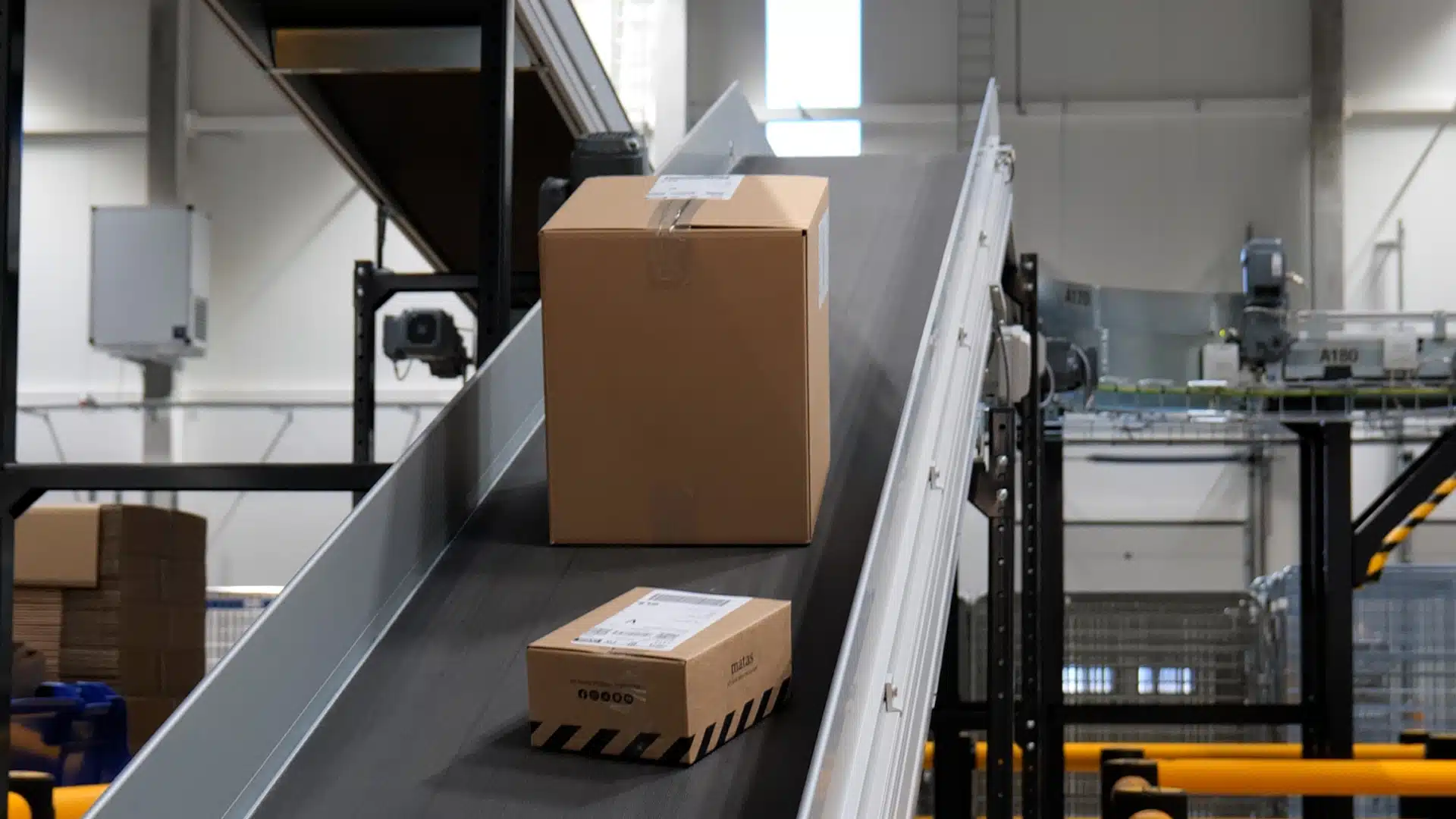
The order system is often the first point of contact between customers and the company. It is where orders are entered, processed, and sent to the warehouse for picking and packing. For companies that have outgrown the use of spreadsheets and basic ERP standard functions, it becomes essential to have a solid order system that can handle an increasing number of orders efficiently.
A well-functioning order system ensures that all customer orders are recorded correctly and quickly transferred to the next steps in the supply chain process. Integration with the ERP system can also provide an overview of inventory, preventing the sale of goods that are not in stock.
Read more about ERP and WMS collaboration to understand how they interact with the order system.
A central advantage of an effective order system is its ability to adapt to the changing needs of the company. For example, a company experiencing seasonal fluctuations in demand may need an order system that can quickly scale up or down. This requires flexible features, such as automatic inventory updates and the ability to integrate with new sales channels without significant costs or downtime. By choosing a scalable order system, companies can better respond to market demands and avoid potential bottlenecks.
To leverage the full potential of the order system, companies should also consider automating processes such as invoicing and customer communication. This can reduce the time employees spend on manual tasks and free up resources for other areas of the business. If an order system can integrate with customer service platforms, it can also improve customer service by quickly providing updates on order status and shipping.
The importance of integration for business operations
The ERP system functions as the backbone of the company, where all data is collected and processed. It is where financial, logistical, and personnel-related data are stored and analyzed. To ensure smooth operations, the ERP system must be effectively integrated with both the order system and WMS.
Did you know
- Order system manages order entry.
- ERP centralizes business data.
- WMS optimizes warehouse operations.
How Does ERP and WMS Integration Create Value?
When ERP, WMS, and order management systems work together, businesses can reduce costs and improve customer satisfaction. For example, better real-time visibility into inventory levels can lead to more accurate purchasing decisions and lower inventory costs. You can learn more about this in our article on WMS warehouse management for growing businesses.
Effective integration can also make it easier to expand into new markets by providing a unified overview of business data.
Integration often requires adjustments to existing workflows. For example, if a company wants to integrate a new ERP system with an existing WMS, warehouse procedures may need to be adapted to match the systems’ functionality. This may involve changes to employees’ tasks and new standards for data processing. In return, successful integration can improve efficiency and warehouse management accuracy.
Challenges of e-commerce integration
For e-commerce companies, the webshop is the primary point of sale. It is important that the inventory data in the webshop is always up-to-date and accurate. This requires close integration between the webshop, order system, and WMS to ensure that customers receive the correct information about stock status and delivery times.
Challenges with webshop integration can include handling large volumes of data, real-time updates, and ensuring stable operations without downtime. It is crucial that all systems communicate effectively to avoid errors in order processing.
Another challenge with webshop integration is the need to handle multiple languages and currencies, especially for companies operating globally. This requires systems that can correctly handle complex pricing and tax rules. For instance, a Danish company selling to customers in both Europe and the USA may need a solution that can automatically manage different VAT rates and shipping costs. By implementing a robust integration, the company can ensure that their international customers have a seamless experience.
Challenges of e-commerce integration can also include security issues, especially when it comes to protecting customer data. Companies must ensure that their systems meet international data security standards to protect sensitive information from cyber threats. This may involve implementing advanced security protocols and conducting regular audits of the systems to identify potential vulnerabilities.
Effective warehouse operations with WMS
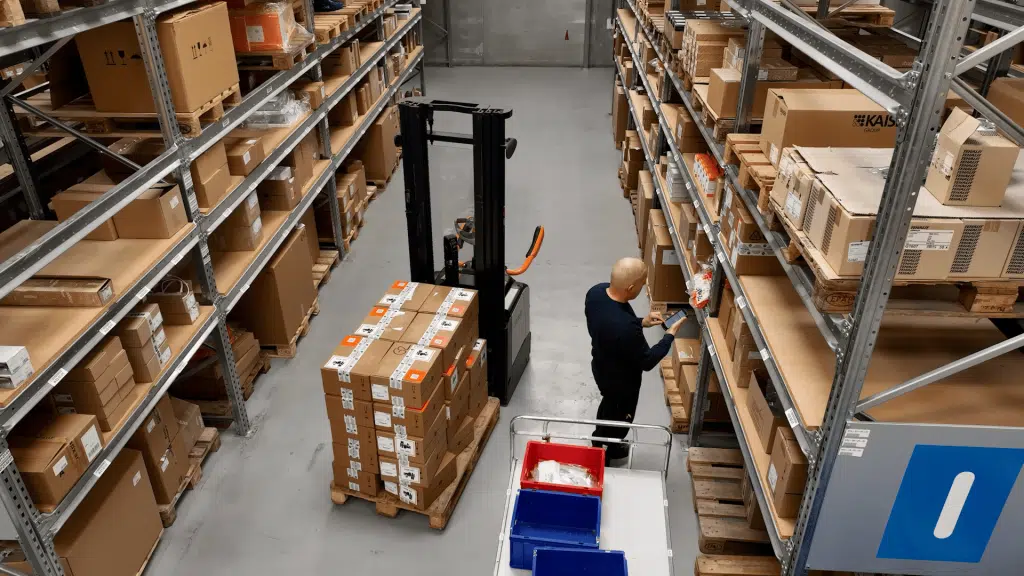
Warehouse Management System (WMS) is designed to optimize warehouse processes by managing and controlling all aspects of warehouse operations. An effective WMS can reduce picking errors, improve warehouse utilization, and increase overall productivity in the warehouse.
Did you know
- Integration reduces warehouse errors.
- Webshop needs updated inventory data.
- Automation saves time on invoicing.

How Can You Continuously Optimize Your WMS?
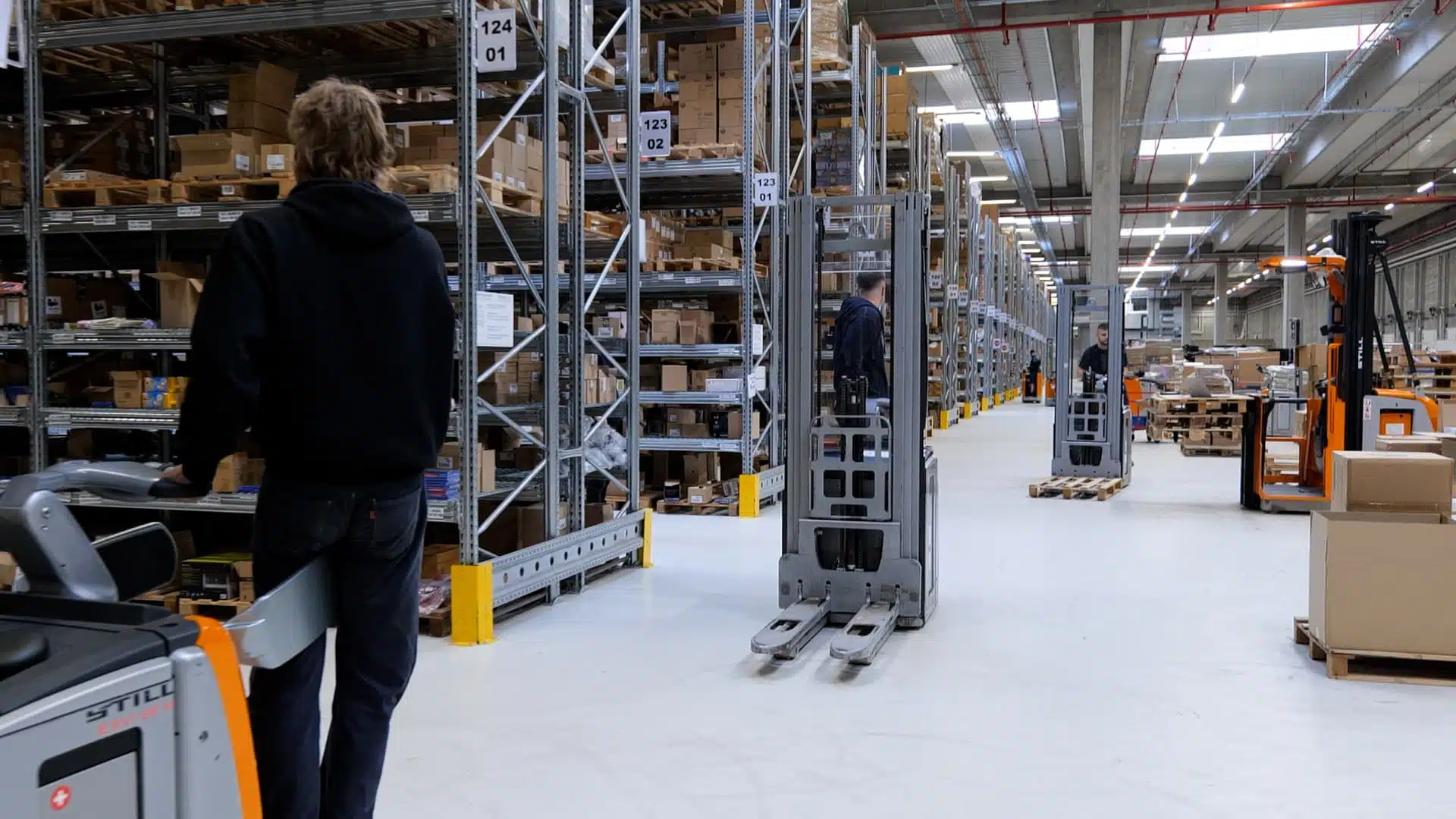
To get the most out of a WMS, it is important to regularly evaluate and optimize the system as your business needs evolve. This may involve adjusting the warehouse layout to reduce picking times, improving existing processes, or introducing technologies such as RFID to provide better inventory visibility.
New technologies and automation solutions can also improve warehouse efficiency. For example, warehouse robots can reduce the time needed to pick and pack orders while minimizing the risk of errors. This can lead to faster, more accurate deliveries and increased customer satisfaction.
To take advantage of these opportunities, your WMS must be able to integrate with both existing and new systems. Learn more in our article on WMS integration with ERP, e-commerce platforms, and shipping.
Strategies for stable operations through system integration
Optimal warehouse management systems
To achieve stable operations, it is necessary to ensure that all systems work together seamlessly. This often involves a thorough review of existing systems and processes to identify potential bottlenecks and inefficiencies.
By applying the right technologies and tools, companies can optimize their processes and ensure that all parts of the supply chain operate efficiently. For IT and ERP managers, it’s important to have a clear plan for integration and to choose systems that can grow with the company’s needs.
Read more about ERP and WMS roles in warehouse management to understand their importance in an overall strategy.
A key part of ensuring stable operations is establishing clear communication channels between different systems and departments. This can be achieved by appointing an integration coordinator who can monitor and coordinate the interaction of the various systems. Having a central coordinator allows companies to quickly identify and resolve issues before they escalate, thereby minimizing the risk of operational disruptions.
The interplay between order systems, ERP, webshop, and WMS is essential for efficient and seamless warehouse operations. By ensuring close integration between these systems, companies can not only improve their warehouse management but also achieve a more satisfying customer experience. It is important for companies to evaluate their current solutions and consider how they can best leverage technology to optimize their processes.
In summary, it is clear that effective integration between order systems, ERP, webshop, and WMS can lead to significant benefits for companies. Not only can it improve warehouse management and reduce errors, but it can also ensure a better customer experience by providing accurate inventory information and faster deliveries. Companies should therefore continuously evaluate their systems and processes to ensure that they can adapt and take advantage of new technological opportunities.
FAQ
How can companies optimize their warehouse management?
By integrating order systems, ERP, and WMS, warehouse management can be optimized and efficiency improved.
What role does an order system play?
The order system enters, processes, and sends orders to the warehouse, streamlining order processing.
What are the benefits of ERP system integration?
The ERP system centralizes data, improving inventory overview and reducing costs.
How can WMS improve warehouse operations?
WMS optimizes warehouse processes by managing and controlling all aspects of warehouse operations.
Why is integration important for e-commerce?
Integration ensures that the webshop has updated inventory data, enhancing the customer experience.
How can automation help companies?
Automating processes like invoicing can save time and reduce manual tasks.
What challenges can arise with webshop integration?
Challenges can include handling large data volumes and ensuring stable operations without downtime.
What does effective integration require?
Effective integration requires seamless data flow between systems without delays or errors.
How do ERP and WMS affect warehouse management?
Integration between ERP and WMS can improve warehouse management by optimizing inventory counting and order processing.
What is an advantage of a scalable order system?
A scalable order system can quickly adapt to a company's changing needs and seasonal fluctuations.
Del indlæg:

Christian Mikkelsen
CCO, Apport Systems
Do you need help assessing whether a warehouse management system is right for your business? You are always welcome to contact me so that together we can find the best solution for your business.
Have you read

Why Warehouses Outgrow Manual Inventory Management
Many companies face the question: Is manual inventory management still the most effective choice? The answer often depends on the size and…
Choose warehouse solutions that can adapt to your future needs
Discover how to choose flexible, scalable warehouse solutions that meet future needs and support long-term business growth.