
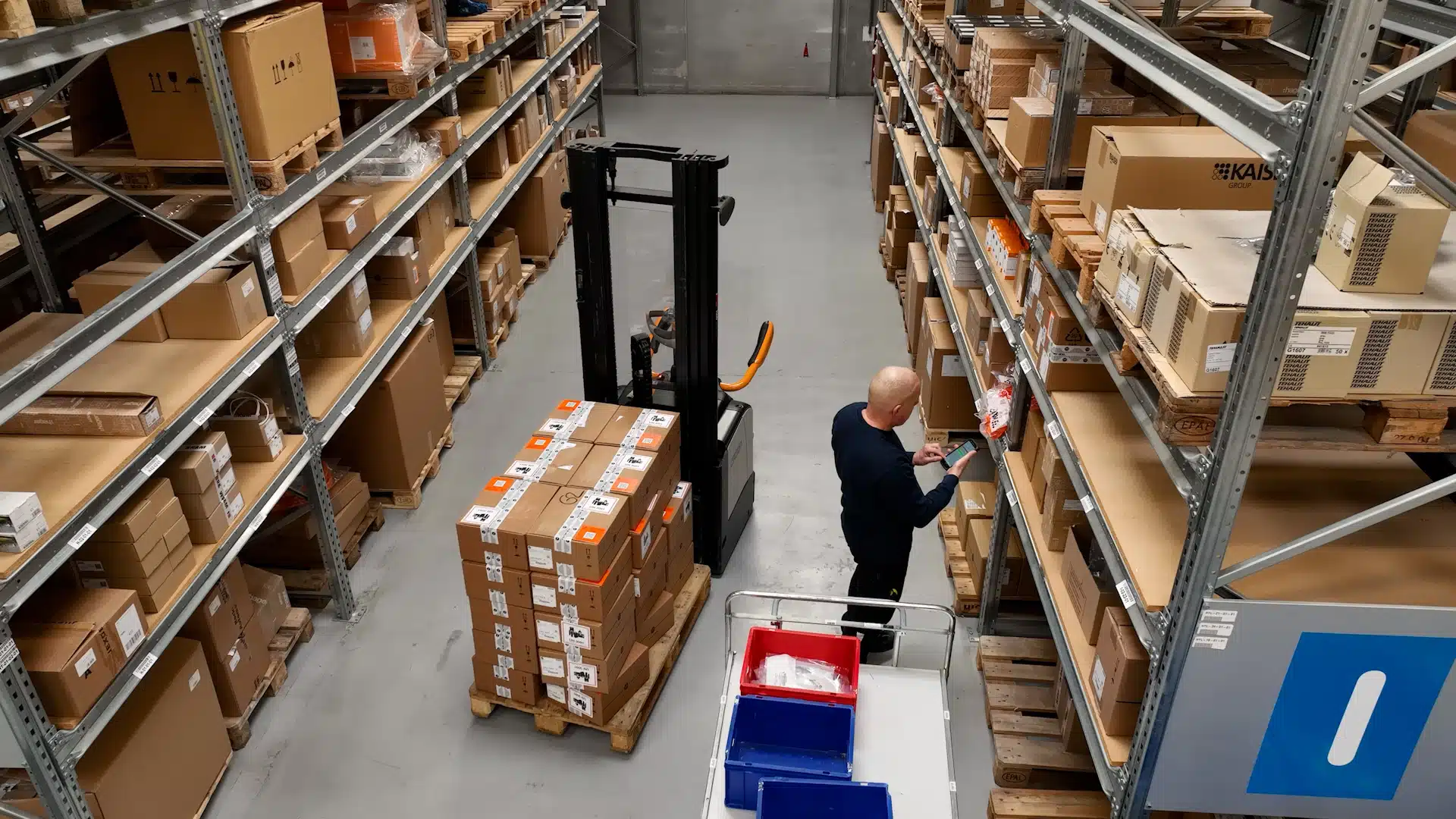
Optimizing warehouse operations with a focus on D2C
19/08/2024

Author
Christian Mikkelsen, CCO
When we talk about Direct-to-Consumer (D2C) strategies, it’s clear that they have revolutionized many industries. As CCO at Apport Systems, I’ve had the opportunity to witness this development unfold in real-time, and I must say, it has been an exciting journey. The D2C model has enabled companies to build stronger relationships with their customers, cut out middlemen, and improve margins. But like any coin, this one also has its downside — especially when it comes to warehouse operations.
A more direct connection — but also more challenges
D2C has allowed companies to understand their customers on a deeper level. By eliminating intermediaries, companies now have direct access to consumer preferences, enabling faster adaptation and innovation. However, this direct contact also means that warehouse operations must be razor-sharp. When a customer orders directly from your webshop, their expectation of quick delivery is immense. There is no room for errors or delays here. Warehouse management must therefore be precise, efficient, and tailored to individual needs.
3 everyday tips for effective warehouse management in D2C:
- Implement a daily update routine: Ensure that your warehouse staff receives a morning update on inventory levels and shipping status. This allows them to quickly identify any bottlenecks or shortages and take proactive steps to resolve them.
- Use clear labeling and organization: Make sure that all products in the warehouse are clearly labeled and organized according to demand and priority. This reduces the time spent finding products and minimizes the risk of errors.
- Monitor and adjust inventory strategies continuously: While it can be tempting to set an inventory strategy and let it run, it's important to monitor its effectiveness and adjust as needed. Regular audits of warehouse processes can reveal inefficiencies that might otherwise have been overlooked.

Flexibility and adaptation
The biggest challenge in D2C is flexibility. Consumers want personalized products and fast deliveries, which requires an extremely flexible warehouse operation. Warehouses must be able to quickly shift and adapt to changing demand. This may mean handling a wide range of products in smaller quantities, putting pressure on both warehouse space and logistics.
An example of this flexibility is our work with one of our clients, who experienced significant growth in direct sales to consumers. Their warehouse suddenly had to handle a much larger variety of products and personalized orders. By implementing our WMS solution, they were able to optimize their warehouse operations, resulting in faster delivery times and greater customer satisfaction. We helped them create a more flexible warehouse that could quickly adapt to changes in demand, thereby improving their overall efficiency.
Learn how Fleggaard works with D2C here.
3 everyday tips to increase flexibility in warehouse operations:
- Train your employees to handle multiple functions in the warehouse. This makes it easier to reassign personnel during peak demand periods and ensures that all aspects of warehouse operations can be maintained, even when certain employees are absent.
- Consider reorganizing the warehouse layout regularly based on product turnover rate. Fast-selling products should be placed closer to the shipping area to reduce picking time.
- Identify products that are often in high demand and keep a small buffer stock of these items ready. This can help meet sudden spikes in demand without delivery delays.
The role of technology
Technology plays a central role in tackling these challenges. Modern Warehouse Management Systems (WMS) like those we develop at Apport Systems can help companies optimize their warehouse operations and make them more flexible. Automation and advanced data analysis can provide a real-time overview of inventory and predict demand patterns, allowing for quick planning and adaptation.
Let’s dive deeper into some of the specific mechanisms that can make a difference:
Automated Pick and Pack Systems
These systems use robotics and advanced sorting machines to pick and pack goods faster and more accurately than manual processes. By reducing the time it takes to process an order, companies can significantly improve their delivery times.
An example from one of our customers showed that by implementing automated pick and pack systems, they reduced their picking time by up to 50%, significantly increasing efficiency and customer satisfaction.
Real-Time Inventory Management
With advanced WMS solutions, companies can get real-time data on their inventory levels. This allows them to quickly adjust stock levels according to changes in demand.
One of our clients used this technology to predict sales patterns and adjust their inventory in real-time, resulting in fewer out-of-stock items and less waste.
Integrated Data Analysis
Data analysis tools integrated into WMS can help companies identify trends and patterns in customer buying habits. This allows for proactive inventory adjustments and optimized purchasing strategies.
For example, one of our customers used data analysis to predict demand surges for certain products during holiday seasons, enabling them to better prepare and avoid delays.
3 everyday tips to maximize the effectiveness of technology in warehouse operations:
- Ensure that your WMS software is always updated with the latest features and security updates. This ensures that you are utilizing the full capacity of the system and protecting your data from security risks.
- Technology is only as effective as the people who use it. Make sure your team is well-trained in using WMS, automated systems, and data analysis tools to ensure everyone understands how to best utilize these resources.
- Continuously monitor the performance of your automated systems and WMS to identify areas for improvement. Small adjustments can often result in significant efficiency gains.

Sustainability and efficiency
Another important factor that D2C has brought with it is an increased awareness of sustainability. Consumers now expect companies to not only deliver quickly and efficiently but also sustainably. This puts additional pressure on warehouse operations, which must minimize waste and optimize resource use. It’s a challenge, but also an opportunity to differentiate in the market.
One of our customers wanted to reduce their environmental footprint while handling an increasing amount of direct consumer orders. By implementing our WMS solution, they were able to significantly reduce their energy consumption and optimize their warehouse operations. This resulted in lower energy bills and a more environmentally friendly operation. It’s a win for both the company and the environment.
3 everyday tips to improve sustainability in warehouse operations:
- Implement reusable or eco-friendly packaging materials. Also consider adjusting the packaging size to the products to minimize waste and reduce shipping costs.
- Invest in energy-efficient lighting and heating systems. Use LED lighting and adjust the warehouse temperature based on actual usage to save energy.
- Develop an efficient returns handling process that minimizes waste. Consider recycling returned products or donating them to charity to reduce waste.
How we approach this
At Apport Systems, we have taken on these challenges and are constantly working on developing solutions that can help companies navigate this new reality. We focus on creating flexible, scalable, and sustainable solutions that can be adapted to the changing needs that the D2C model requires.
It’s an exciting time to be in the logistics industry. The challenges we face push us to think creatively and innovate. We see it as our mission to help our customers succeed in this D2C world by delivering cutting-edge WMS solutions that not only meet their needs today but also prepare them for the future.
Share post:
Would you like to know more about warehouse management?
Do you need help assessing whether a warehouse management system is right for your business? You are always welcome to contact me, so we can find the best solution for your company together.

Christian Mikkelsen
CCO, Apport Systems
E: [email protected]
T: +45 4177 6304
Christian Mikkelsen
CCO, Apport Systems
E: [email protected]
T: +45 4177 6304
Have you read these blog posts?
When Does Warehouse Management Software Make Sense?
Is your warehouse outgrowing manual processes? Do you need better visibility and efficient operations? Then warehouse management software might be
