
Logistics solution for goods with special requirements
Last updated
21/10/2026

Carsten
COO, Apport Systems
How do you handle goods with special requirements in warehouse operations?
How can a logistics solution optimize the handling of goods with special requirements? What should complex warehouses consider when they have many different flows and exceptions in their daily operations? These are questions that many warehouse and logistics managers in production and distribution companies ask themselves. An effective logistics solution can be the answer to these challenges by providing an overview and ensuring efficient operations.
Logistics solutions play a crucial role in modern supply chains, especially when it comes to handling goods with special requirements. Efficiency and safety are key priorities, and companies must navigate complex warehouse processes that often involve automation and advanced technology. This article explores how to optimize logistics and warehouse management through the integration of smart systems that ensure goods are handled correctly and warehouse operations are as efficient as possible. We also look at how continuous improvements can help companies prepare for future challenges.
Optimizing logistics for goods with special requirements
Goods with special requirements can range from food items requiring refrigerated storage to hazardous materials that must be handled with care. These goods often require special conditions for storage and transport, which can make logistics management more complex. A logistics solution that can adapt to these requirements is therefore crucial to ensure that goods are handled correctly and safely.
To meet the special requirements, it is important to have a system that can be adapted and scaled. This can include everything from temperature control to documentation of handling processes. By having a clear understanding of the specific demands that goods impose, companies can better plan and optimize their logistics operations.
For example, a company handling pharmaceutical products may need a system that not only regulates temperature but also humidity levels. The system must be able to adjust conditions in real-time and alert if conditions deviate from preset parameters. This creates a flexible and responsive logistics solution that guarantees the safety and effectiveness of products throughout the supply chain.
One of the most common challenges in handling goods with special requirements is temperature control. For example, food items must be stored at specific temperatures to ensure their quality and safety. A good logistics solution should be able to monitor and regulate temperature in real-time to prevent damage to the goods. This can be achieved through advanced warehouse management systems (WMS) which can integrate with cooling systems and provide alerts in case of any deviations.
Read more about WCS to see how advanced temperature control can be implemented.
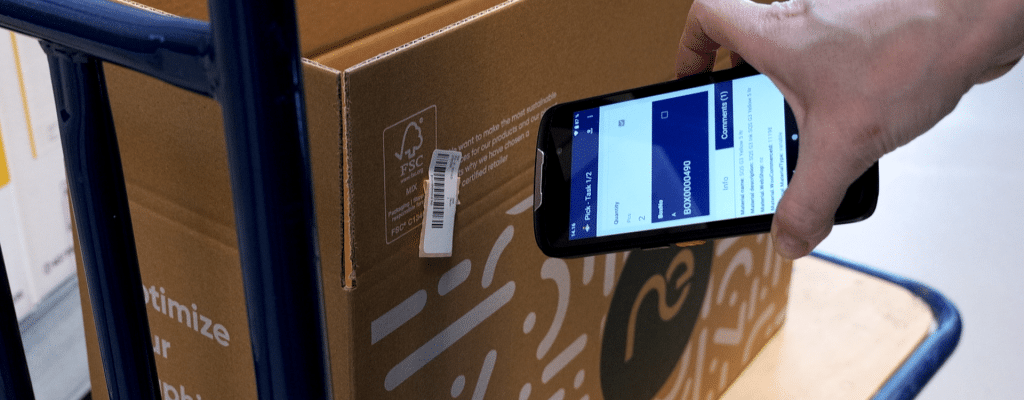
For goods with special requirements, it is often necessary to have precise documentation and traceability. This can include certificates, storage conditions, and transport documents. A logistics solution can help automate and digitize this process, reducing the risk of human error and ensuring all necessary documentation is easily accessible.
To achieve a high degree of documentation and traceability, companies can implement blockchain technology in their logistics processes. This enables a secure and immutable recording of all transactions and movements of goods throughout the supply chain. By using blockchain, all parties in the supply chain can access up-to-date data and ensure necessary requirements are met, which can increase transparency and trust between trading partners.
Did you know
- Logistics solutions ensure efficient operations.
- WMS constantly monitors temperatures.
- Blockchain ensures goods traceability.
Efficient warehouse management and automation
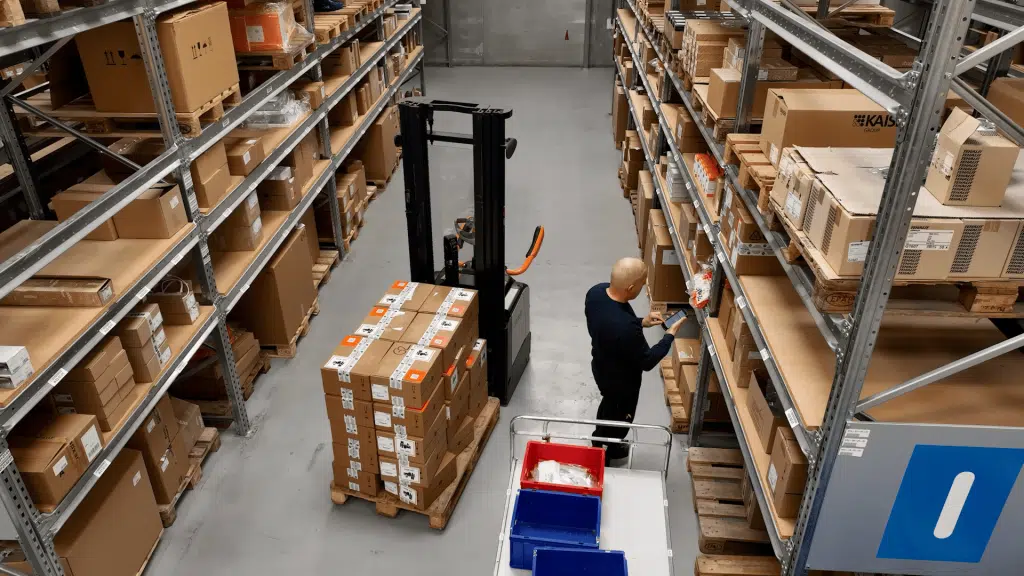
Complex warehouse flows often occur in companies that handle many different products and have numerous incoming and outgoing deliveries. With a logistics solution that can integrate with a modern WMS, these flows can be optimized and made more efficient. This includes the automation of picking and packing processes as well as better warehouse management.
Read more about WMS warehouse management and how it can help manage complex flows.
Automation of warehouse processes can reduce manual errors and increase efficiency. This can include the use of robotic technology for picking and packing, as well as the implementation of software solutions that can coordinate and optimize warehouse movements. Such technologies can give warehouse and logistics managers better control and overview of the warehouse’s multiple flows.
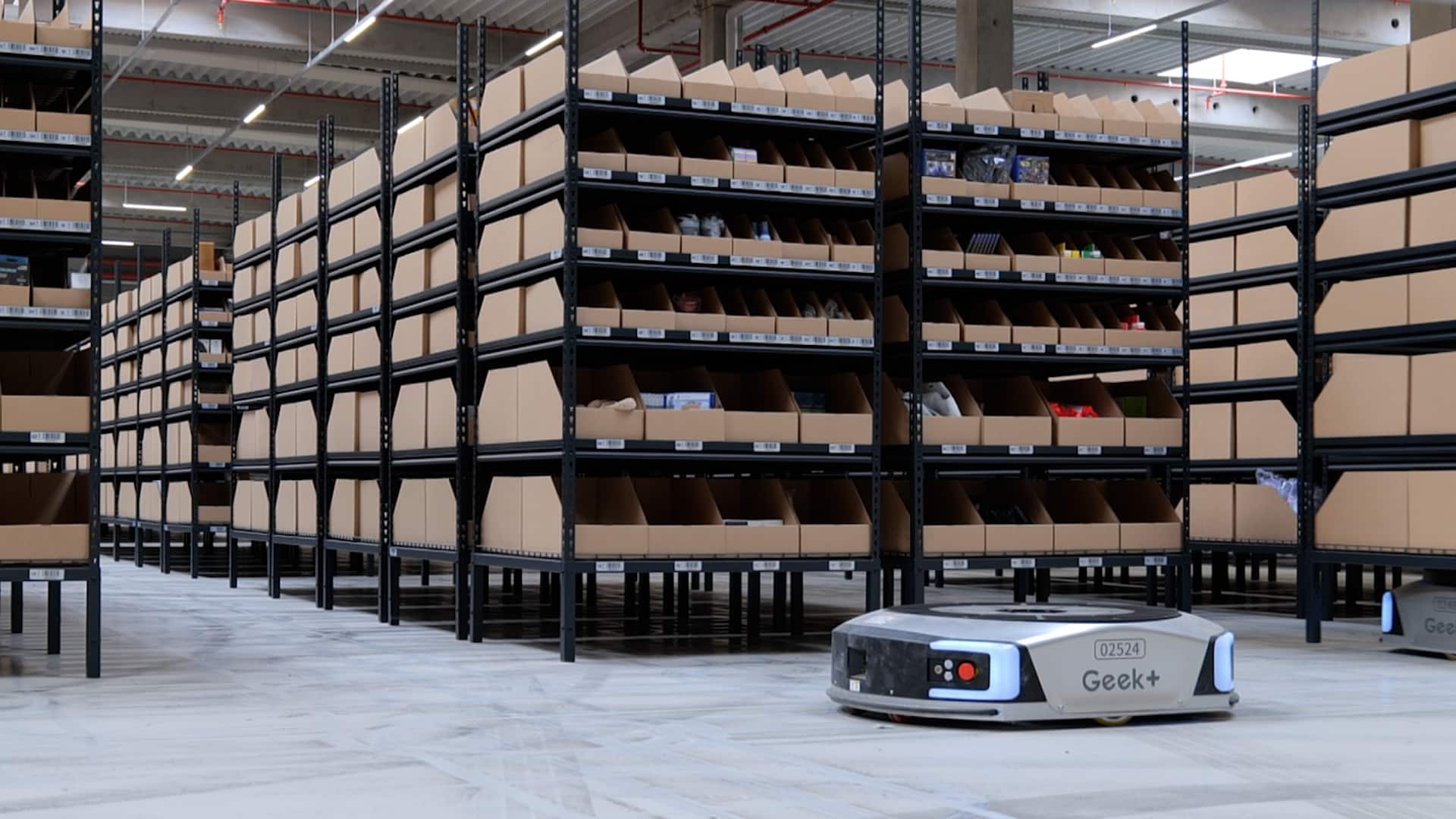
An example of automation could be a warehouse that uses automated guided vehicles (AGVs) to move goods from the receiving area to storage shelves. These AGVs can navigate autonomously using sensors and mapping technology, reducing the need for manual transport and minimizing the risk of damage. Automation can also include software for intelligent warehouse management, optimizing picking and packing processes based on real-time data.
Another advantage of automation is the possibility of using drones for warehouse management. Drones can quickly and accurately count inventory using advanced sensors and cameras. This can reduce the time spent on manual counts and minimize errors in inventory records. Drone technology can also be used for rapid delivery of goods within the warehouse, further optimizing picking and packing processes.
For a logistics solution to be effective, it must be able to integrate with existing systems such as ERP and WMS. This ensures seamless data exchange and provides a comprehensive view of inventory levels. By integrating different systems, companies can better plan their warehouse activities and respond quickly to changes in demand.
Read more about modern WMS and how it can be integrated with other business systems.
Integration with existing systems, such as ERP systems, allows for a streamlined flow of information connecting warehouse operations with other business processes. This can make it easier to plan production or adjust purchasing based on updated warehouse data. An ERP system can also help predict demand by analyzing historical sales data and trends, enabling companies to optimize inventory levels and minimize excess inventory costs.
Did you know
- AGVs reduce manual transport needs.
- Drones quickly count inventory.
- ERP assists in demand forecasting.
Integration and monitoring in warehouse management
Effective operation is about being able to manage the daily activities of a warehouse in a way that maximizes productivity and minimizes waste. A logistics solution can play a central role in achieving this by providing warehouse and logistics managers with the tools they need to optimize warehouse management.
By monitoring the performance of the warehouse in real-time, companies can quickly identify and address any issues. This can include anything from delays in the picking process to errors in inventory levels. By continuously evaluating performance, warehouse and logistics managers can make informed decisions that improve warehouse efficiency.
Monitoring can also involve the use of data analytics to identify patterns and trends in warehouse performance. For example, a system can identify that a specific item often causes picking problems, leading to a reassessment of the item’s location in the warehouse. Continuous evaluation of this data can provide valuable insights into how warehouse operations can be improved step by step.
A deeper analysis of performance data can also help predict future needs and optimize the layout and processes of the warehouse. For example, data analysis may reveal that certain items have a higher turnover rate than others, which could lead to a reorganization of the warehouse to reduce the time it takes to pick these items. By continuously adapting warehouse operation strategies based on data insights, companies can improve their efficiency and respond more quickly to market demands.
A key part of effective warehouse management is continuous improvement. This involves regularly reviewing and optimizing warehouse processes to ensure they are as efficient as possible. A logistics solution can help identify areas that require improvement and provide insights into how these improvements can be implemented.
Read more about ERP and WMS and their roles in warehouse management.
A concrete example of continuous improvement could be the use of feedback from warehouse staff to optimize picking processes. By involving employees who work directly with the processes, management can gain insights into practical challenges and potential solutions that can streamline work and improve employee satisfaction. The implementation of new technologies can also be reviewed regularly to ensure they continue to contribute to the warehouse’s efficiency and productivity.
Continuous improvement and future challenges
An effective logistics solution is crucial for companies handling goods with special requirements and complex warehouse flows. By integrating advanced WMS systems, automating processes, and ensuring documentation and traceability, companies can optimize their warehouse management and achieve more efficient operations. With a focus on temperature control, integration with existing systems, and continuous improvement, warehouse and logistics managers can ensure their warehouse operations are well-prepared to meet both current and future challenges.
Continuous improvement is a strategic focus that requires a systematic approach to identifying inefficient processes and potential improvements. One method to achieve this is through regular audits and feedback meetings with warehouse staff. For example, a company can conduct monthly evaluations where warehouse staff discuss experienced challenges and suggest improvements. This helps create a culture where employees are engaged in the improvement process and can contribute practical solutions.
To support a culture of continuous improvement, companies can also implement Lean principles in their warehouse operations. The Lean philosophy focuses on eliminating waste and maximizing value creation through systematic identification and elimination of inefficient processes. By training warehouse staff in Lean methods, companies can foster a mindset that constantly seeks improvement and innovation, which can lead to more efficient and flexible warehouse operations.
Future challenges may include handling increasing complexity in warehouse systems due to technological advances and changes in customer demand. To prepare for these challenges, companies should invest in flexible and scalable systems that can adapt to new requirements. An example could be the implementation of advanced AI technologies that can predict demand patterns and optimize inventory levels in real-time. By focusing on both continuous improvement and preparation for future challenges, companies can ensure their warehouse management is robust and adaptable.
Overall, modern logistics solutions are a necessity for companies that want to remain competitive in an ever-changing market. By focusing on optimization, automation, and integration, companies can ensure they are ready to handle today’s demands and tomorrow’s challenges. A strategy that includes continuous improvement and preparation for future challenges will not only improve efficiency but also strengthen the company’s ability to adapt and grow.
FAQ
How do logistics solutions optimize warehouse operations?
Logistics solutions optimize warehouse operations by integrating advanced systems that ensure efficiency and correct handling of goods.
What is a challenge with special goods?
A major challenge is ensuring correct temperature control to maintain the quality and safety of goods.
How is blockchain used in logistics?
Blockchain is used to create a secure and immutable record of transactions and movements, ensuring traceability.
What do AGVs do in warehouse management?
AGVs reduce the need for manual transport by navigating autonomously and minimizing the risk of damage.
How do drones improve warehouse management?
Drones improve warehouse management by quickly and accurately counting inventory, reducing errors.
Why is ERP-WMS integration important?
ERP-WMS integration ensures seamless data exchange and a comprehensive view of inventory levels, strengthening planning.
How do logistics solutions assist with documentation?
Logistics solutions automate and digitize documentation processes, reducing the risk of human error.
What is continuous improvement in warehouse management?
Continuous improvement optimizes warehouse processes through regular evaluation to ensure maximum efficiency.
What impact does automation have on warehouse processes?
Automation reduces manual errors and increases efficiency by using technology like robots for picking and packing.
What role does data analysis play in warehouse management?
Data analysis identifies patterns and trends in warehouse performance, helping to improve strategies and efficiency.
Del indlæg:

Christian Mikkelsen
CCO, Apport Systems
Do you need help assessing whether a warehouse management system is right for your business? You are always welcome to contact me so that together we can find the best solution for your business.
Have you read
Warehouse Robotization Requires Control Over Traceability
Warehouse Robotization Requires Control Over Traceability