
Logistics Management Without Manual Errors and Reentry
22/09/2026

Kim
CTO & CPO, Apport Systems
How can you avoid manual errors and repeated data entry in warehouse management?
Want to reduce manual errors and repeated data entry? See how WMS can automate processes and make warehouse operations more efficient. Manual processes and repeated data entry increase the risk of errors and take up unnecessary time in daily operations. With Apport WMS, companies can consolidate and automate more processes, making warehouse management more efficient and reducing manual work.
What is Logistics Management?
Logistics management refers to the process of planning, implementing, and controlling efficient and cost-effective flows of materials and goods from suppliers to customers. For many businesses, especially those that have outgrown simple tools like spreadsheets or standard ERP functions, it becomes necessary to find a solution that can handle complex warehouse needs.
- Logistics management plans goods flow.
- Manual errors occur from fatigue.
- Automation reduces manual intervention need.
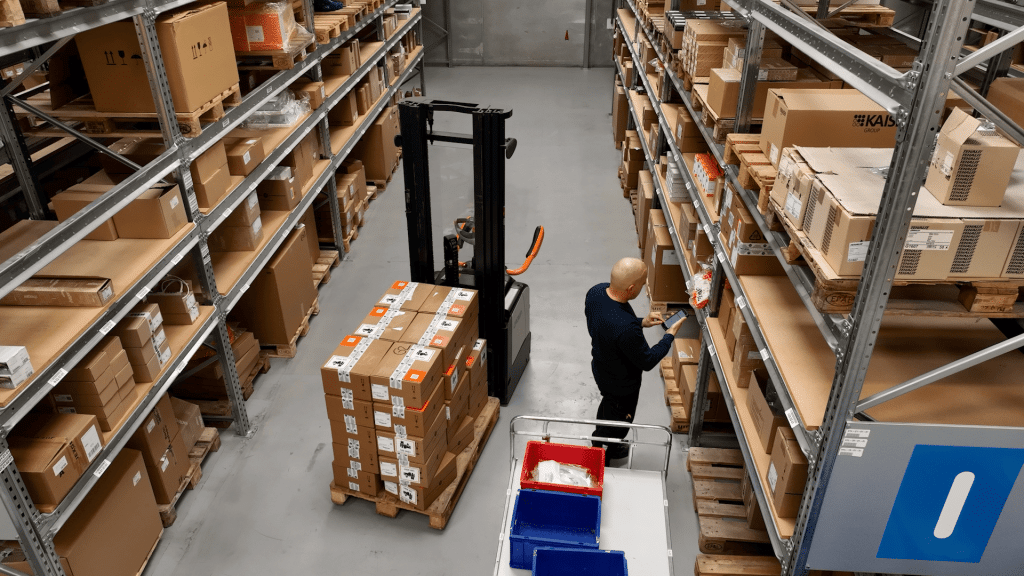
Why Do Manual Errors Occur?
Manual errors in logistics management often occur due to human factors like fatigue, distraction, or simple typing mistakes. When warehouse management is based on manual input, the risk of errors increases exponentially. Even minor mistakes can have significant consequences, such as incorrect inventory or incomplete order deliveries.
The Benefits of Automation
Automating logistics management can reduce errors by minimizing the need for manual intervention. A modern Warehouse Management System (WMS) can integrate with existing ERP systems to provide a more robust and error-tolerant platform. This can be seen in Apport WMS, which offers a solution that can be tailored to a company's specific needs.
Integration with Existing Systems
One of the biggest advantages of modern WMS solutions is their ability to integrate with existing systems. This allows companies to leverage their current investments in ERP systems while improving the efficiency and accuracy of warehouse management.
- WMS integrates with ERP systems.
- Proper integration reduces data reentry.
- WMS offers improved inventory oversight.

Reduced Need for Reentry
When a WMS is properly integrated with an ERP system, the need to reenter data is significantly reduced. Data can flow automatically between systems, reducing the risk of human error and improving overall data accuracy. Learn more about how a warehouse management system can create better oversight and fewer picking errors here.
Improved Oversight and Control
With an integrated WMS, companies can gain better oversight of their inventory and logistics processes. This allows for more precise planning and control, which ultimately leads to faster deliveries and better customer satisfaction. For growing companies, this improvement can be critical, as described in our article on warehouse management in growing companies.
Implementing a WMS: Step by Step
Implementing a WMS system requires careful planning and a step-by-step approach. First, the company must conduct a thorough analysis of their current warehouse processes to identify specific areas where automation can bring improvements. Then, it is important to choose a WMS that is compatible with the company's existing systems to ensure a smooth integration.
Training and Educating Employees
A critical part of implementing a WMS is ensuring that all employees who will use the system are well-trained in its functions. This can include workshops, online courses, and practical training to ensure the transition to the new system is as smooth as possible.
Scalability and Future-Proofing
A crucial aspect of choosing a WMS is its ability to scale with the company's growth. A good WMS should be able to handle increasing amounts of data while offering updates and new features to meet future needs. This ensures that companies can remain competitive, even as market conditions change.
Case Study: Success with Automation
A retail company experienced significant improvements after implementing a WMS. By reducing manual processes and improving inventory accuracy, they could increase their delivery speed by 30% and reduce errors in order processing by 50%. These results were achieved through a combination of technology and strategic employee training.
Conclusion
Logistics management without manual errors and reentry is possible by implementing automated systems like a WMS. Automation reduces human errors, improves integration with existing ERP systems, and provides better oversight of inventory. This leads to more efficient logistics processes and improved customer satisfaction. For e-commerce businesses and wholesalers, these advantages can be crucial to remaining competitive in an increasingly demanding industry. Ultimately, the right WMS solution can help companies achieve significant improvements in their logistics management, enabling them to deliver better results for their customers.
FAQ
Del indlæg:

Christian Mikkelsen
CCO, Apport Systems
Har du brug for hjælp til at vurdere hvorvidt et lagerstyringssystem er det rigtige for din virksomhed? Du er altid velkommen til at kontakte mig, så vi sammen kan finde frem til den bedste løsning for din virksomhed.
Har du læst disse blogindlæg?

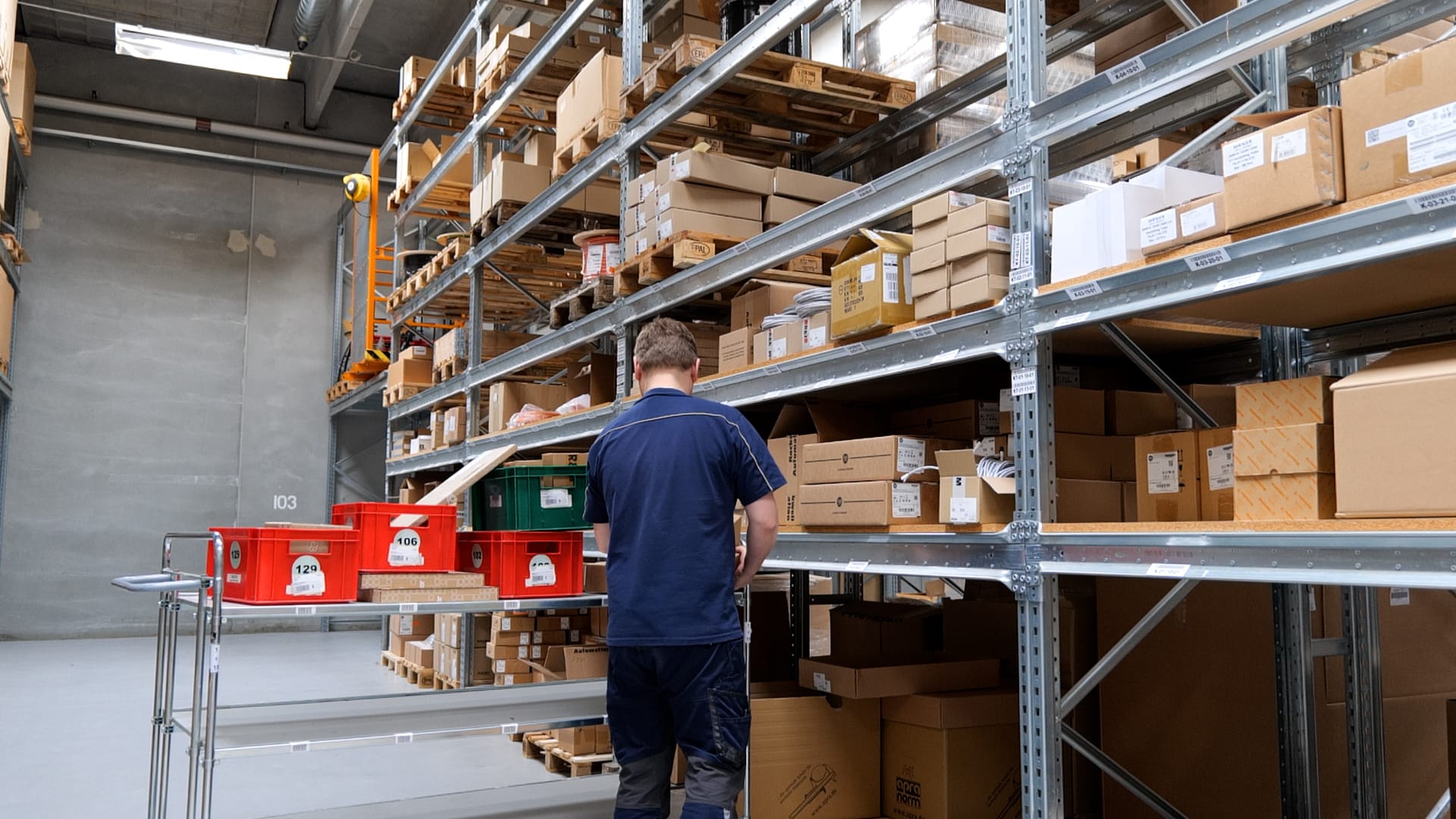

Assessing the Value of a WMS Solution in Warehouse Operations
Considering optimizing your warehouse? A WMS solution might be the key to enhancing efficiency and cutting costs.