


Label the Warehouse upon Receipt: A Guide for Small Warehouses
11/06/2026
Christian
CCO, Apport Systems
Introduction to Warehouse Labeling
For small warehouses, effective labeling upon receipt is an essential step towards better structure and oversight. This is particularly crucial for wholesale, manufacturing, and e-commerce companies facing growing demands for optimized warehouse processes. In this article, we will explore how you can enhance your warehouse management by focusing on proper labeling.
Why is Labeling Important?
Labeling helps minimize errors and increase efficiency in the warehouse. By ensuring that all items are labeled correctly upon receipt, you can more easily keep track of inventory, benefiting both employees and customers.
Benefits of Proper Labeling
- Improved Visibility: With clear labeling, it becomes easier to find items quickly.
- Reduced Error Margin: Less risk of picking errors and incorrect shipments.
- Efficient Inventory Management: Better inventory management through accurate and up-to-date stock levels.
Step by Step: How to Label Your Warehouse upon Receipt
1. Preparation before Receipt
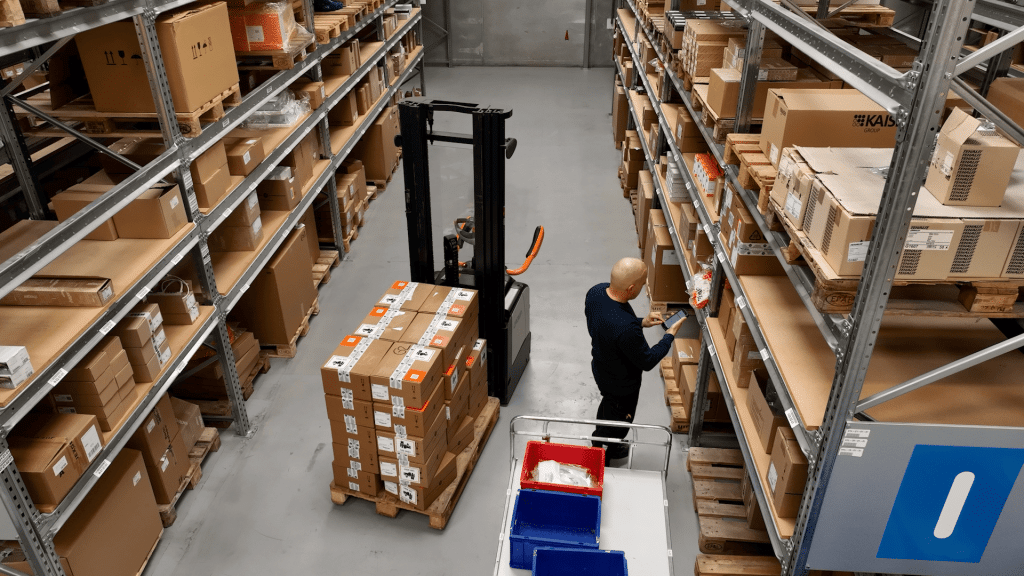
Before the items arrive, you should prepare your warehouse area. Ensure there is enough space and the necessary tools to label the items. This includes labels, scanners, and possibly IT systems for labeling.
2. Receiving the Shipment
When the shipment arrives, first check that all items are in order. Count them and compare with the supplier's invoice. This is a crucial part of the process to ensure there are no discrepancies.
3. Labeling the Items
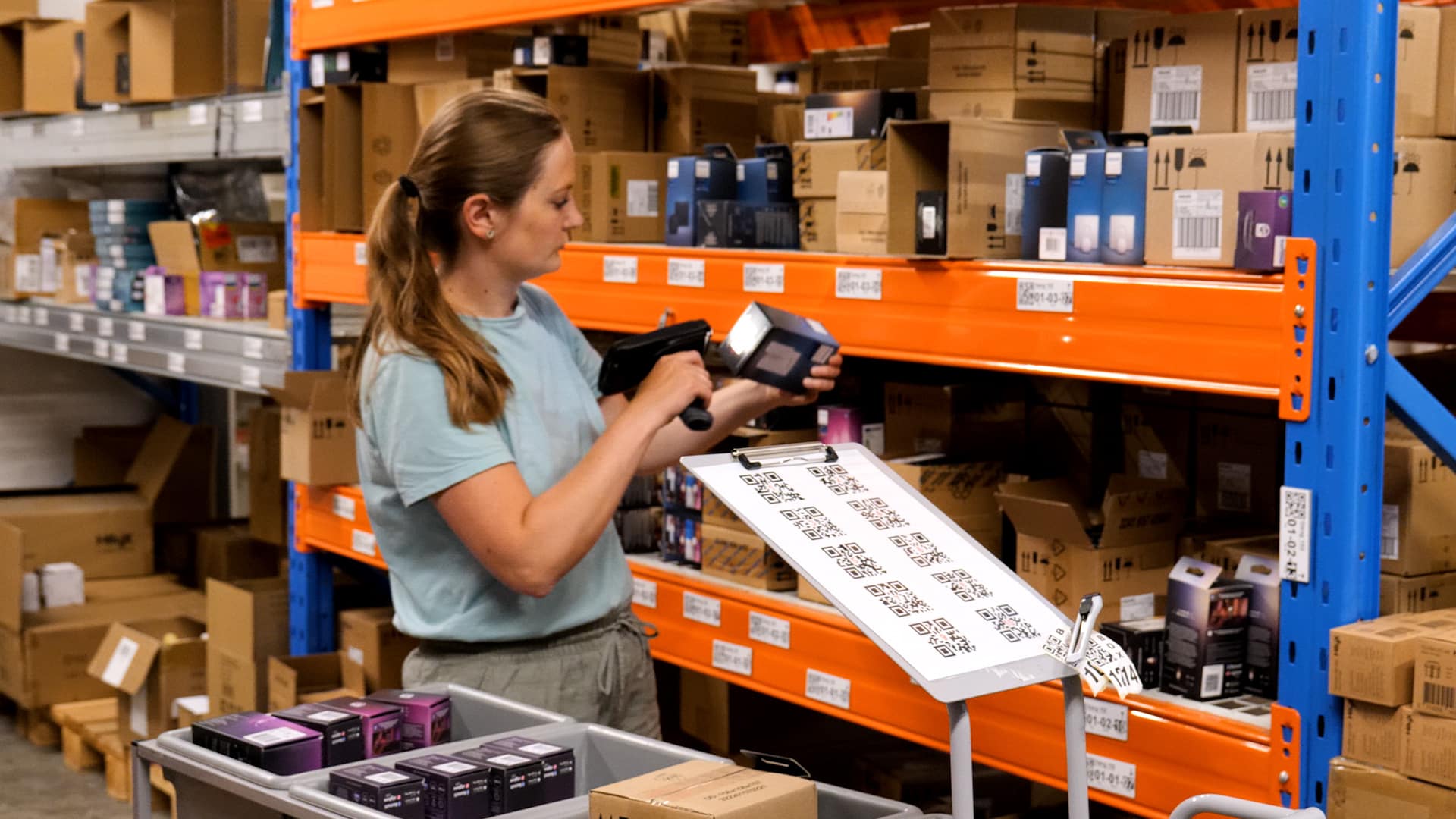
After inspection, each item must be labeled correctly. This can be done by applying barcodes or QR codes that can be scanned into your warehouse management system. Read more about adapting warehouse management systems here.
4. Placement in the Warehouse
After labeling, the items should be placed on the correct shelves or areas. Ensure there is a logical storage plan so that it is easy to find and retrieve items later.
Implementing Technology in the Labeling Process
Technology can play a crucial role in the labeling process. By using automated systems for scanning and labeling, you can improve accuracy and save time. Consider investing in a warehouse management system (WMS) that can handle these tasks efficiently.
Advantages of Automated Labeling
- Higher Efficiency: Faster and more precise labeling processes.
- Better Traceability: Easier to locate items and track them through the warehouse.
- Reduced Workload: Less manual entry and fewer errors.
Training and Educating Staff
To ensure a smooth labeling process, it is important to provide your staff with the right training. Education in the use of warehouse management systems and the technologies used for labeling can make a significant difference in efficiency. It is also a good idea to hold regular updates and training sessions to keep everyone informed about the latest procedures and technologies.
Building a Labeling Culture
Building a culture where proper labeling is a priority can help ensure that processes are consistently followed. This can be achieved by creating incentives for correct labeling and having clear guidelines and procedures in place that all employees are familiar with.
Final Thoughts on Warehouse Labeling
Labeling the warehouse upon receipt is a critical process for small warehouses aiming to improve their efficiency and accuracy. By following the steps we have outlined, you can optimize your warehouse management and ensure a better experience for both your team and your customers.
If you want to learn more about how technology and smart solutions can improve your warehouse management, read our article on the future of warehouse management.
How to Get Started with Warehouse Labeling
Begin by evaluating your current processes and identifying areas that can be improved. Consider implementing technology that can assist with labeling, and educate your staff on the new procedures. By taking these steps, you can create a more efficient and accurate warehouse.
Future Trends in Warehouse Labeling
With rapid technological advancement, there are several trends that might affect how we label warehouses in the future. IoT devices (Internet of Things) and AI-driven warehouse management can provide even more precision and efficiency. These technologies can help predict demand, optimize storage space, and further automate the labeling process.
Integration with Other Systems
Integrating labeling systems with other business systems, such as ERP (Enterprise Resource Planning), can create a seamless flow of information throughout the company. This ensures that all departments have access to the latest data, helping make better decisions faster.
Share post:
Want to learn more about Warehouse Management Systems?
Need help figuring out whether a warehouse management system is the right fit for your business? You’re always welcome to get in touch – and together we’ll find the best solution for your needs.
Christian Mikkelsen
CCO, Apport Systems
E: [email protected]
T: +45 4177 6304
Christian Mikkelsen
CCO, Apport Systems
E: [email protected]
T: +45 4177 6304
Did you read one of these blogposts?

When one logistics solution must manage multiple warehouses
Learn how central logistics solutions improve warehouse management for growing businesses, boosting efficiency and customer satisfaction.

Logistics Management Without Manual Errors and Reentry
Do you want to avoid manual errors in logistics management? Are you tired of repeated reentries in your warehouse management