How can WMS help reduce waste in the supply chain?
Want to reduce waste in the supply chain? See how a WMS can improve warehouse efficiency and support more sustainable operations. A Warehouse Management System (WMS) can provide better control over goods, processes and resources in the warehouse. In this article, we look at how WMS can help reduce waste while creating more efficient warehouse operations.
Understanding WMS and Its Role in a Sustainable Supply Chain
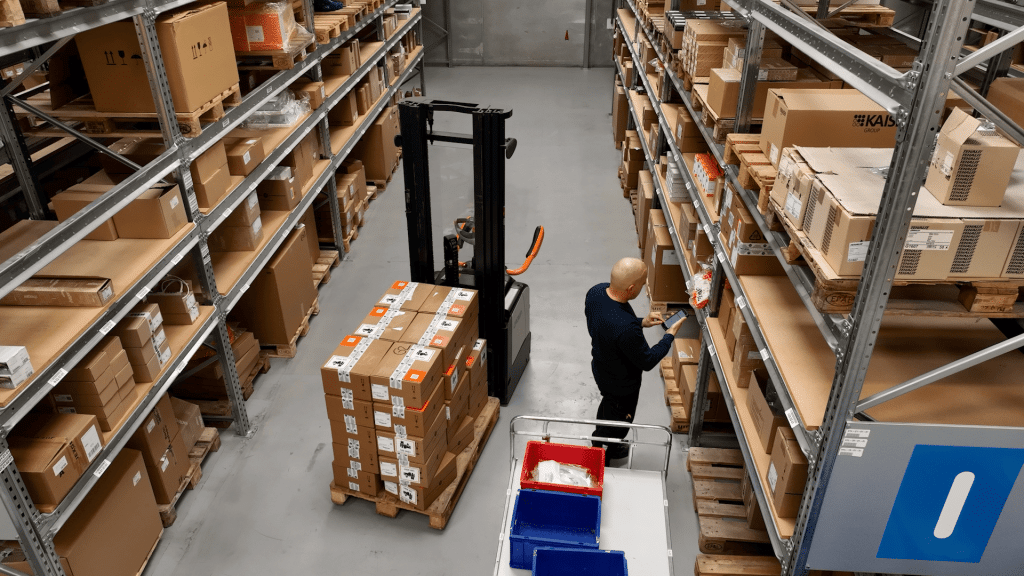
A Warehouse Management System (WMS) is designed to optimize warehouse operations and reduce waste. In an era where sustainability is a crucial factor for both reputation and the bottom line, it is vital to use technology that can support these goals. WMS systems help minimize waste by improving inventory management, reducing errors, and optimizing resource use.
Efficient Inventory Management with WMS
One of the biggest issues in logistics is waste caused by inefficient processes. WMS offers a solution by automating inventory management. It ensures that goods are stored correctly and moved efficiently, minimizing the risk of damage and obsolescence. You can learn more about effective inventory strategies in our article on e-commerce inventory management.
Reducing Errors and Improving Accuracy
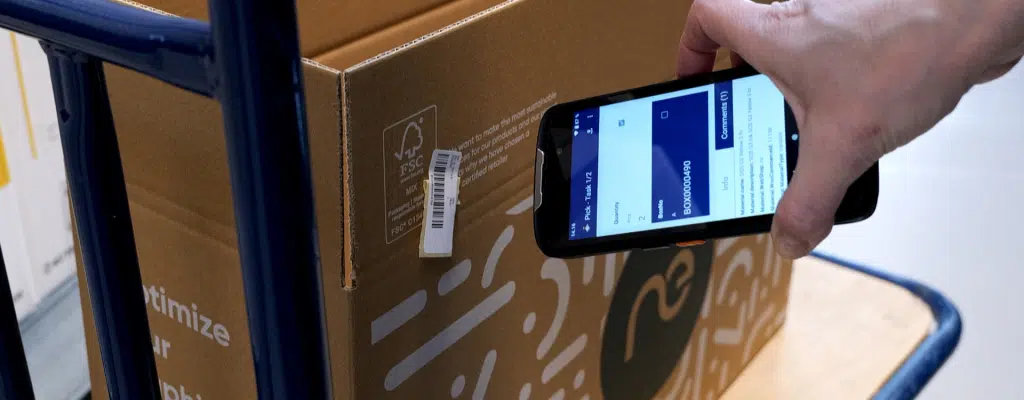
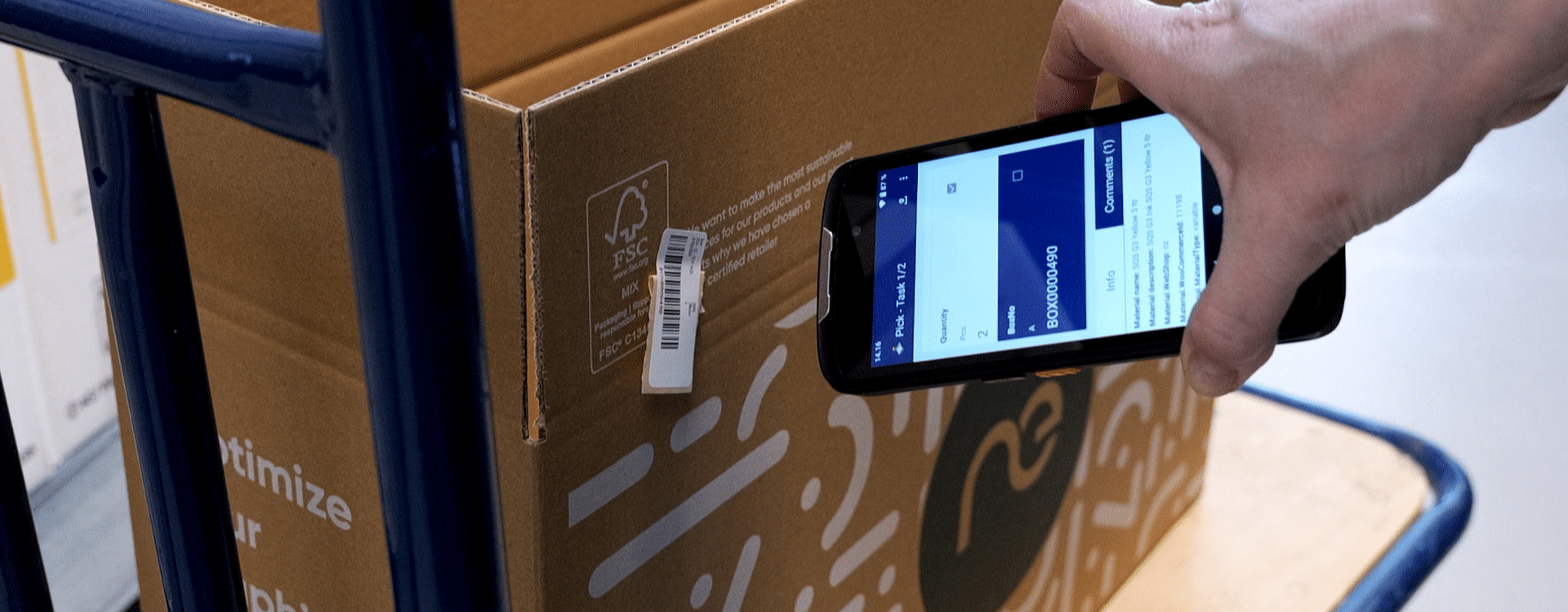
WMS reduces errors by automating many of the manual processes typically associated with warehouse operations. This includes tasks such as picking, packing, and shipping. Automation ensures that orders are processed correctly, reducing the number of returns and waste. Read about the future of inventory management with AI and automation in our article on inventory management.
Optimizing Resource Utilization
A key advantage of WMS is its ability to optimize resource utilization. The system analyzes data to determine the most efficient use of space and labor. This leads to more efficient operations using fewer resources, which is a key component of a sustainable supply chain.
Implementing WMS for Sustainability
Implementing WMS is not just a technological upgrade; it's a strategic decision for the future. By reducing waste and improving efficiency, companies can achieve both economic and environmental benefits. Read about how realistic ROI calculations can help ensure that your investment in WMS delivers the desired returns in our article on ROI calculations.
Integration with Existing Systems
One of the biggest challenges in implementing a new WMS is integration with existing systems. Fortunately, modern WMS solutions can easily integrate with ERP systems, CRM, and other logistics tools, ensuring a seamless transition and maximum data utilization across the enterprise.
Training and Preparing Employees
To ensure effective WMS implementation, it's crucial that employees are properly trained. This involves both understanding the new system and how it will change their daily work processes. Effective training can minimize transition issues and maximize the benefits of WMS.
Future Trends in WMS
Technological advancements in WMS continue to accelerate, and the future promises even more advanced solutions. Trends such as the use of IoT devices, advanced data analytics, and machine learning will make WMS even more powerful and capable of predicting and preventing waste before it occurs.
IoT and Real-Time Data
The Internet of Things (IoT) is revolutionizing how warehouse data is collected and used. With IoT devices, inventory can be monitored in real-time, allowing for faster responses to changes in demand and immediate adjustments to inventory strategies.
Summary
By integrating a WMS into your supply chain, you can achieve significant waste reductions and improve your company's sustainability. This system offers a comprehensive solution that streamlines warehouse operations, enhances accuracy, and optimizes resource use. For companies in e-commerce, food/FMCG, and distribution, this is an investment that not only improves efficiency but also contributes to a more sustainable future.
Share post:
Want to learn more about Warehouse Management Systems?
Need help figuring out whether a warehouse management system is the right fit for your business? You’re always welcome to get in touch – and together we’ll find the best solution for your needs.