
How Warehouse and Logistics Impact Customer Service and Delivery Time
01/04/2026

Christian
CCO, Apport Systems
Introduction
In a world where e-commerce companies are constantly growing, it becomes increasingly important to understand how warehouse and logistics can affect both customer service and delivery time. For small warehouses with emerging needs, it can be challenging to navigate these complex areas. Let’s delve into how you can optimize your warehouse and logistics processes to improve your customer service and shorten delivery times.
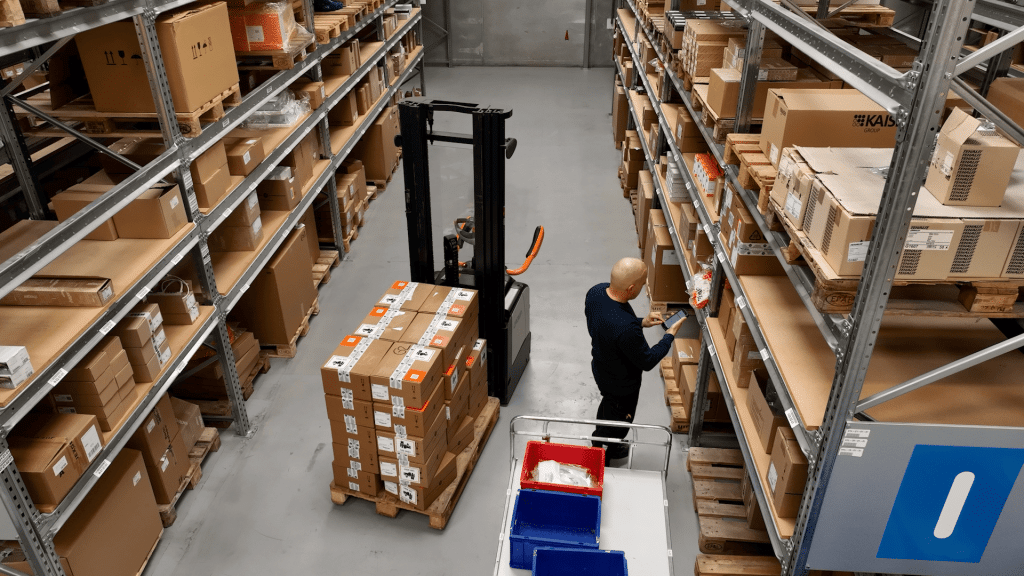
Understanding Warehouse and Logistics
Warehouse and logistics are two fundamental aspects of any e-commerce business. The warehouse is where your products are stored before they are shipped to customers. Logistics, on the other hand, includes all the processes that ensure goods get from the warehouse to the customer. Having a good warehouse management system can improve efficiency and reduce errors, ultimately enhancing customer service and reducing delivery times.
How Can Warehouse Optimization Improve Customer Service?
A well-organized warehouse ensures that products can be quickly found, packed, and shipped. This means customers receive their goods faster, and errors are reduced, leading to higher customer satisfaction. See how the warehouse can adapt to a WMS to improve these processes.
The Role of Logistics in Delivery Times
Efficient logistics are crucial to ensuring fast delivery times. This includes route optimization, choosing the right transport partners, and efficient packaging of products. An optimized logistics process can significantly reduce delivery times. Read more about how the warehouse can be the key to success with e-commerce.
Strategies for Improving Warehouse and Logistics
There are several strategies that small warehouses can implement to improve both areas. Some of these include:
Automation of Warehouse Processes
Automation can help reduce errors and increase efficiency. This can include using warehouse management systems (WMS) to track inventory and automate replenishment. Explore the future of warehouse management with AI and automation.
Improvement of the Logistics Network
Having a strong logistics network means you can deliver products faster and more efficiently. This can involve collaborating with local suppliers or leveraging new delivery optimization technologies.
Implementing Technological Solutions
Another important strategy for improving warehouse and logistics processes is integrating advanced technological solutions. This can include using the Internet of Things (IoT) to track inventory in real-time, as well as using big data analytics to predict demand and optimize storage space.
IoT and Warehouse Management
IoT devices can provide a constant stream of data about inventory, helping businesses react quickly to changes in demand. This data can also be used to identify inefficient processes and suggest improvements.
Big Data Analytics
By applying big data analytics, companies can predict future trends and adjust their warehouse and logistics strategies accordingly. This can lead to more accurate inventory levels and reduced costs.

Environmental Sustainability in Logistics
Sustainability has become an important focus area for many companies, and logistics is no exception. Implementing green initiatives can not only improve the company's image but also reduce costs and enhance efficiency.
Green Logistics Initiatives
This can include the use of electric vehicles for deliveries, route optimization to minimize fuel consumption, and the reuse and recycling of packaging materials.
Efficient Energy Consumption
Companies can also focus on reducing energy consumption in their warehouses by implementing energy-efficient lighting systems and climate control systems.
Future Trends in Warehouse and Logistics
As e-commerce continues to evolve, so will warehouse and logistics processes. To stay ahead, it is essential to be aware of future trends and innovations.
Robotic Technology and Automation
The use of robotic technology in warehouse management is a growing trend. Robots can perform tasks such as picking and packing with high precision and speed, reducing the need for manual labor and minimizing errors.
Blockchain in the Supply Chain
Blockchain technology can offer increased transparency and security in the supply chain. By recording each transaction in a distributed database, companies can track products from production to delivery, ensuring authentication and reducing the risk of fraud.
Customer Expectations and Personalized Delivery
Consumers increasingly expect fast and flexible delivery. By offering personalized delivery options, such as choosing the delivery date and time, companies can improve customer satisfaction.
Conclusion
Understanding and optimizing warehouse and logistics are crucial for small e-commerce businesses aiming to improve their customer service and reduce delivery times. By implementing the strategies we've discussed, you can start seeing improvements in efficiency and customer satisfaction. Read more about logistics on Wikipedia for further insight.
Are you ready to take the next step towards a more efficient warehouse and logistics process? Contact us today to learn more about how we can help you optimize your warehouse management.
Building a Resilient Supply Chain
A robust supply chain is crucial to withstand unexpected disruptions and ensure continuous operation. In light of global challenges such as pandemics and political tensions, it is important to have a flexible and resilient supply chain.
Risk Analysis and Continuity Planning
Companies should conduct risk analyses to identify potential weaknesses in their supply chain. By developing continuity plans, they can quickly respond to disruptions and minimize the impact on their operations.
Diversification of Suppliers
By diversifying their supplier base, companies can reduce their dependence on single sources, thereby decreasing the risk of disruptions. This can also open up competitive advantages by enabling better negotiation opportunities and access to new markets.
The Social Dimension of Logistics
Beyond economic and environmental aspects, the social dimension is also an important part of logistics. This includes working conditions, workers' rights, and community engagement.
Improving Working Conditions
Companies can work to improve working conditions for their employees by offering fair wages, safe working environments, and opportunities for professional development.
Corporate Social Responsibility (CSR) in Logistics
Integrating CSR initiatives in logistics can strengthen the company's reputation and create long-term value. This can include initiatives to support local communities and reduce environmental impact.
Digital Transformation in Logistics
Digital transformation has already had a significant impact on logistics, and this trend will continue to grow. By leveraging digital tools, companies can improve efficiency and gain better control over their supply chains.
Cloud-Based Systems
Cloud-based logistics systems allow companies to access data in real-time, improving decision-making and flexibility. These systems can also be integrated with other software solutions for a more cohesive operating model.
Data Analysis and Predictions
By analyzing data from various sources, companies can predict demand patterns and adjust their warehouse and logistics strategies accordingly. This can lead to more precise planning and reduced waste.
Final Considerations
While technology and new strategies can offer many benefits, it is also important to focus on human aspects such as employee training and customer engagement. By balancing technology with human factors, companies can create a more holistic and sustainable logistics model.
Share post:
Want to learn more about Warehouse Management Systems?
Need help figuring out whether a warehouse management system is the right fit for your business? You’re always welcome to get in touch – and together we’ll find the best solution for your needs.

Christian Mikkelsen
CCO, Apport Systems
E: [email protected]
T: +45 4177 6304
Christian Mikkelsen
CCO, Apport Systems
E: [email protected]
T: +45 4177 6304
Did you read one of these blogposts?


How to Choose the Right Inventory Management System
Which warehouse management system best suits your company? How do you ensure a smooth transition to a new system? With
