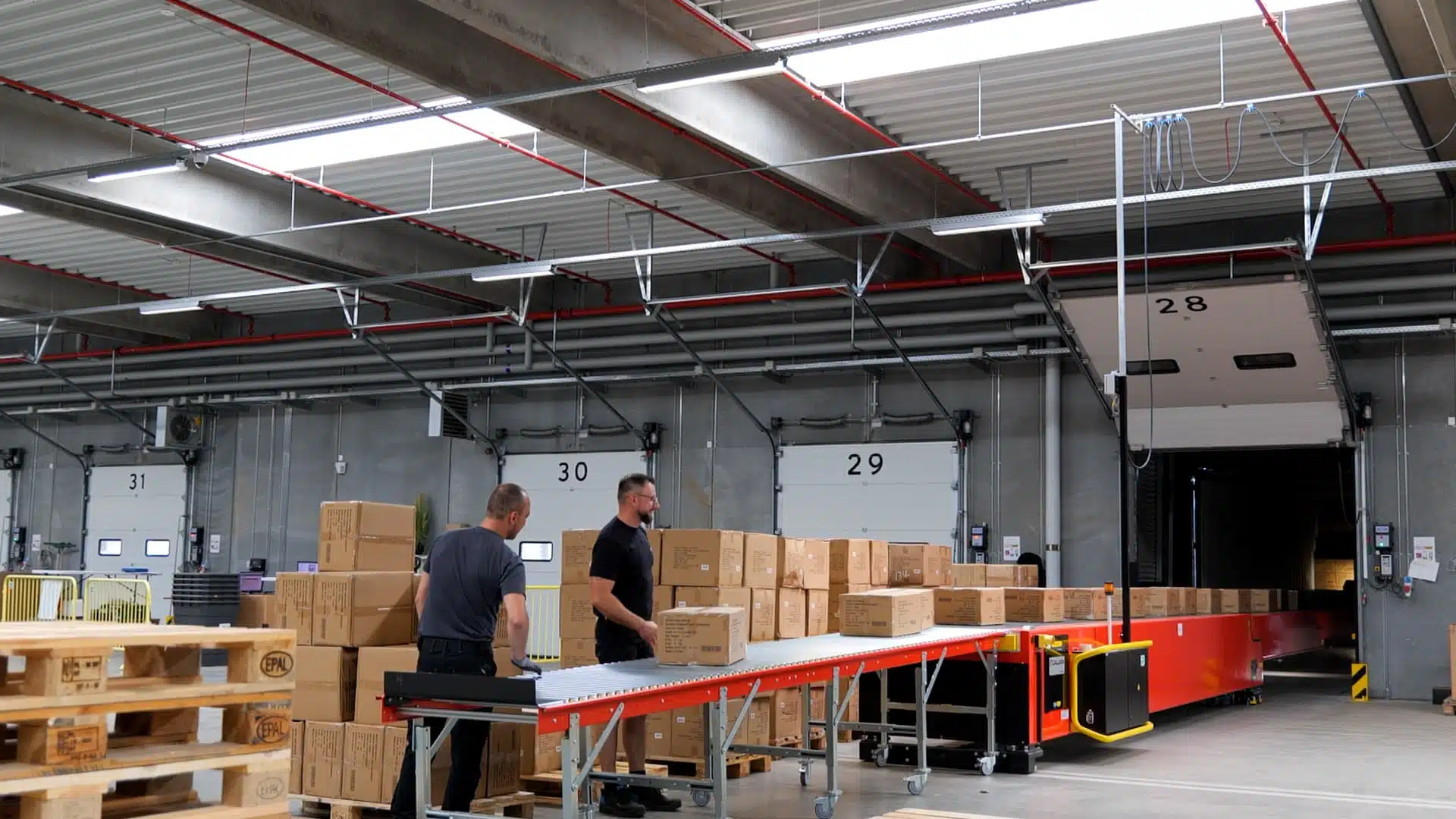
Implementing a WMS
Implementing a WMS can be a complex process, but with proper planning, it can be done smoothly. Here are some steps for a successful implementation:
Planning and Testing
Create a detailed implementation plan that includes timelines and milestones. Test the system thoroughly before going live to ensure it works as expected.
Staff Training
Ensure that all employees who will use the system receive thorough training. It's crucial for a successful implementation that everyone understands how to use the system correctly.
Monitoring and Adjustment
After implementation, it's important to monitor the system's performance and make necessary adjustments. Be open to feedback from employees as they may have valuable insights from daily use.
Conclusion
A modern WMS is a valuable investment for small warehouses in the e-commerce industry. It improves efficiency, accuracy, and inventory control, leading to greater customer satisfaction and increased profits. If you're ready to take the step towards more efficient inventory management, you can read more about how efficient inventory management can solve e-commerce's major challenges. Also, visit our article on the future of inventory management to gain insights into how AI and automation can transform your warehouse operations.
Are you ready to optimize your inventory management? Contact us today for a no-obligation consultation and find out how a modern WMS can make a difference for your business.
The Future of WMS: Technological Advances and Trends
With the rapid technological development, the future of WMS is exciting and full of potential. New technologies such as artificial intelligence (AI), machine learning, and the Internet of Things (IoT) are transforming the way warehouses operate. These technologies offer opportunities for further automation and improved decision-making based on data analysis.
Artificial Intelligence and Machine Learning
AI and machine learning can be used to predict inventory needs based on past data. This enables companies to plan more effectively and reduce waste. Additionally, AI can help identify patterns and trends that can improve warehouse operation efficiency.
Internet of Things
IoT devices can be used to monitor inventory in real-time. Sensors can track everything from temperature and humidity to the location of items in the warehouse. This gives warehouse managers the ability to make proactive decisions and quickly respond to changes in inventory conditions.
Case Study: A Successful WMS Implementation
A mid-sized e-commerce company recently implemented a modern WMS and experienced significant improvements in their warehouse operations. Before implementation, the company struggled with order fulfillment errors and inefficient picking processes. By introducing a WMS, the company was able to automate many of their previously manual processes. This led to a 30% reduction in picking time and a significant improvement in order fulfillment accuracy.
Furthermore, integrating the WMS with the company's existing ERP system allowed for better data analysis and reporting. Warehouse staff gained access to real-time data, enabling them to make informed decisions and plan more effectively.
Final Thoughts
As this article has shown, a modern WMS is an essential component for effective inventory management in today's e-commerce landscape. With the right technologies and strategies in place, businesses can achieve significant benefits, including increased efficiency, improved accuracy, and better inventory control. The future of WMS looks bright with the many technological advancements on the way, promising even more advanced solutions for inventory management. It's time to embrace these opportunities and ensure your business is equipped for the challenges of the future.