
How to Improve Your Warehouse Logistics Without Adding Complexity
01/04/2026

Christian
CCO, Apport Systems
Introduction to Warehouse Logistics
Warehouse logistics is an essential part of any e-commerce business. For small warehouses experiencing initial growth, it can seem challenging to improve processes without adding complexity. This article will guide you through simple steps to optimize your warehouse logistics, allowing you to achieve greater efficiency without unnecessary complexity.
Understand Your Current Processes
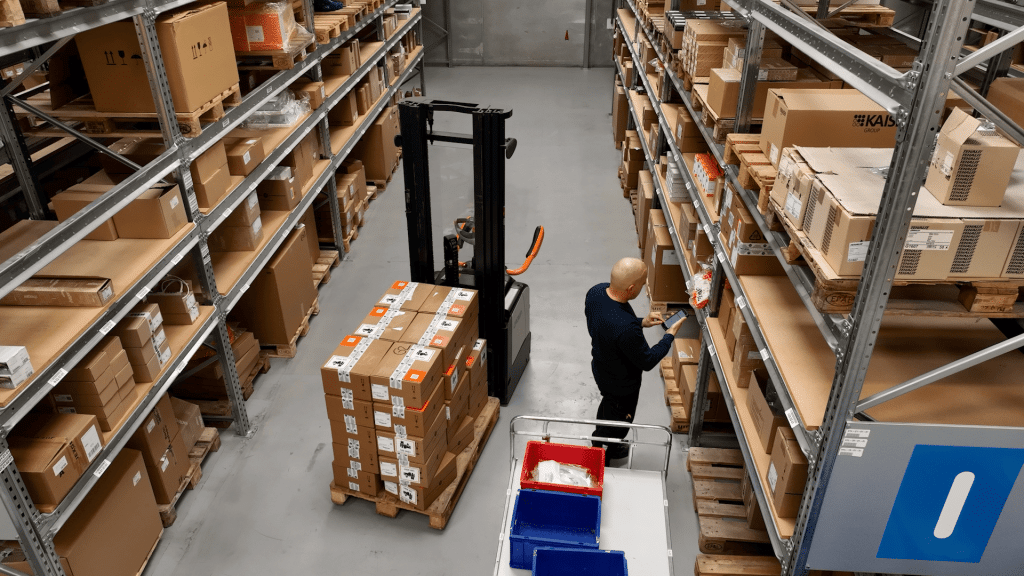
The first step in improving your warehouse logistics is to understand how your current processes work. Take time to observe and document each step of your current workflow. This will provide insights into where there may be bottlenecks or inefficient areas.
Analyze Your Warehouse Layout
A well-organized warehouse layout can make a significant difference in efficiency. Consider arranging products by popularity, so the best-selling items are easily accessible. This can save time and reduce unnecessary movement. For more detailed advice, you can read our article on how to adapt your warehouse.
Automate Repetitive Tasks
Automation is a key component in reducing complexity. By automating repetitive tasks such as inventory replenishment or order processing, you can free up time for more valuable activities. Consider implementing a Warehouse Management System (WMS) to handle these tasks effectively. You can learn more about the benefits of WMS in our article here.
Use Technology to Your Advantage
With the right technological tools, you can streamline your warehouse workflow. RFID tags and barcode scanners can help track products accurately and quickly. This reduces manual labor and minimizes errors.
Train Your Staff
To ensure that your improvements are successful, it is essential to train your staff. Make sure all employees are familiar with the new systems and processes. Training should be an ongoing process that updates as changes occur in the business.
Create a Positive Work Environment
A good work environment can increase productivity and reduce errors. Motivate your employees by involving them in decision-making processes and listening to their feedback. You can find more tips on creating a good work culture here.

Continuously Evaluate and Adjust
Warehouse logistics is not a static process. It is important to evaluate your processes regularly and be prepared to adjust them as needed. By being flexible and proactive, you can ensure that your warehouse always operates at the highest level of efficiency.
Use Data for Decision Making
Data analysis can provide valuable insights into your warehouse operations. By analyzing data, you can identify trends and problems early and make informed decisions. Consider using software that can help collect and analyze these data.
For further tips on how to improve your e-commerce warehouse logistics, check out our article on e-commerce success.
Conclusion
Improving your warehouse logistics doesn’t have to be complicated. By understanding your current processes, automating repetitive tasks, training your staff, and evaluating continuously, you can create a more efficient warehouse without increasing complexity. Implement these steps today and see the difference in your company's efficiency and productivity.
If you want to learn more about optimizing your warehouse, you can read this article for more tips and tricks.
Call to Action
Are you ready to take the next step towards more efficient warehouse logistics? Contact us today to get a customized solution that fits your company's needs perfectly. We are ready to help you optimize your warehouse processes and improve your bottom line.
Advanced Strategies for Warehouse Optimization
For companies looking to take their warehouse logistics to the next level, there are advanced strategies that can be implemented. These include the use of artificial intelligence for inventory management, predictive analytics, and deeper integration of IoT devices for real-time data.
Artificial Intelligence and Machine Learning
Artificial intelligence (AI) and machine learning can revolutionize the way warehouses operate. By applying AI, companies can predict demand with greater accuracy, optimize inventory levels, and reduce waste. Machine learning can be used to identify patterns in data, leading to better decision-making and process automation.
Integration of IoT Devices
Internet of Things (IoT) devices can be used to create a more interconnected warehouse operation. Sensors can monitor inventory levels in real-time, while GPS tracking can provide insights into logistics and distribution processes. This enables more responsive and dynamic warehouse management.
Future Trends in Warehouse Logistics
Warehouse logistics is constantly evolving, and it is important to be aware of future trends. This includes an increasing use of robotics technology, more sustainable warehouse practices, and a heightened focus on cybersecurity in connection with warehouse systems.
Robotics Technology in Warehouses
Robotics technology is becoming increasingly prevalent in warehouses to improve efficiency and reduce costs. Robots can be used for tasks such as picking, packing, and transporting goods within the warehouse. This technology can significantly increase the speed and accuracy of warehouse operations.
Sustainability and Environmental Considerations
With a growing focus on sustainability, many companies are seeking ways to make their warehouse activities more environmentally friendly. This can include optimizing energy consumption, reducing waste, and using eco-friendly materials in warehouse operations.
Cybersecurity
As more warehouse processes become digital, cybersecurity becomes a critical factor. Protecting data and systems from cyberattacks is essential to ensure the continuity of warehouse operations. Implementing robust security protocols and regular monitoring can help protect against potential threats.
Implementing Sustainable Practices
When companies focus on sustainability, they can not only reduce their environmental impact but also achieve cost savings. An example is the use of solar energy to power warehouse facilities, which can reduce energy bills while minimizing CO2 emissions.
Green Technology
Investing in green technology, such as energy-efficient lighting systems and reusable packaging materials, can be part of a long-term strategy to reduce environmental impact. These initiatives can not only improve the company's image but also contribute to long-term economic sustainability.
Transportation Optimization
An important part of warehouse logistics is the transportation of goods. By optimizing transportation planning and route selection, companies can reduce fuel consumption and thereby their overall CO2 footprint. Using electric vehicles for short-distance transport can also be an effective way to reduce emissions.
Strategic Partnership and Networking
To maximize efficiency in warehouse logistics, companies can benefit from strategic partnerships. By collaborating with other companies and sharing resources, economies of scale can be achieved, and the distribution network strengthened.
Collaboration with Suppliers
Close collaboration with suppliers can lead to a better supply chain and more precise deliveries. By having clear communication channels and sharing relevant data, delays can be minimized and warehouse management improved.
Involving Third-Party Logistics
Involving third-party logistics (3PL) can be an effective way to handle complex logistics needs. These services can offer specialized solutions and infrastructure that can improve warehouse operations without requiring significant investment from the company.
Share post:
Want to learn more about Warehouse Management Systems?
Need help figuring out whether a warehouse management system is the right fit for your business? You’re always welcome to get in touch – and together we’ll find the best solution for your needs.

Christian Mikkelsen
CCO, Apport Systems
E: [email protected]
T: +45 4177 6304
Christian Mikkelsen
CCO, Apport Systems
E: [email protected]
T: +45 4177 6304
Did you read one of these blogposts?

When a Warehouse Management System is Better than ERP
What makes a warehouse management system more effective than ERP? How can a warehouse management system enhance inventory management in
