How to Choose the Right Warehouse Management System for Your Business
25/03/2026

Christian
CCO, Apport Systems
Internet of Things (IoT) in Warehouse Management
The Internet of Things (IoT) has the potential to transform warehouse management systems by connecting devices and sensors that can collect and share real-time data. IoT can help businesses monitor inventory, improve logistics, and increase efficiency in warehouse operations.
Automation and Efficiency
IoT devices can automate many warehouse processes, such as monitoring inventory levels and tracking goods in real-time. This can reduce the need for manual intervention and minimize human errors. Additionally, IoT sensors can help monitor storage conditions like temperature and humidity, which are crucial for goods requiring specific storage conditions.
Increased Transparency and Control
With IoT, businesses can achieve greater transparency in their supply chain by tracking goods from production to delivery. This allows for better control and management of inventory, leading to reduced costs and improved customer service. IoT data can also be integrated with WMS to provide deeper insights into warehouse operations.
Blockchain in Warehouse Management
Blockchain technology offers a secure and transparent way to record transactions and track goods in the supply chain. By applying blockchain in warehouse management, businesses can ensure data integrity and improve collaboration with suppliers and customers.
Benefits of Blockchain
Blockchain can enhance the traceability of goods by creating an immutable record of every transaction. This is particularly useful in industries with strict regulatory requirements, such as food and pharmaceuticals. Additionally, blockchain can help prevent fraud and ensure that goods are authentic and legally acquired.
Implementing Blockchain in WMS
By integrating blockchain with WMS, businesses can improve their data management and security. This can lead to more efficient warehouse management and better compliance with regulatory requirements. Implementing blockchain can also foster trust among trading partners by ensuring that all parties have access to the same data sources.
The Future of Warehouse Management
Technological advancements continue to shape the future of warehouse management. Automation, AI, and robotics will play an increasingly important role in optimizing warehouse operations and improving efficiency.
Robotics and Automation
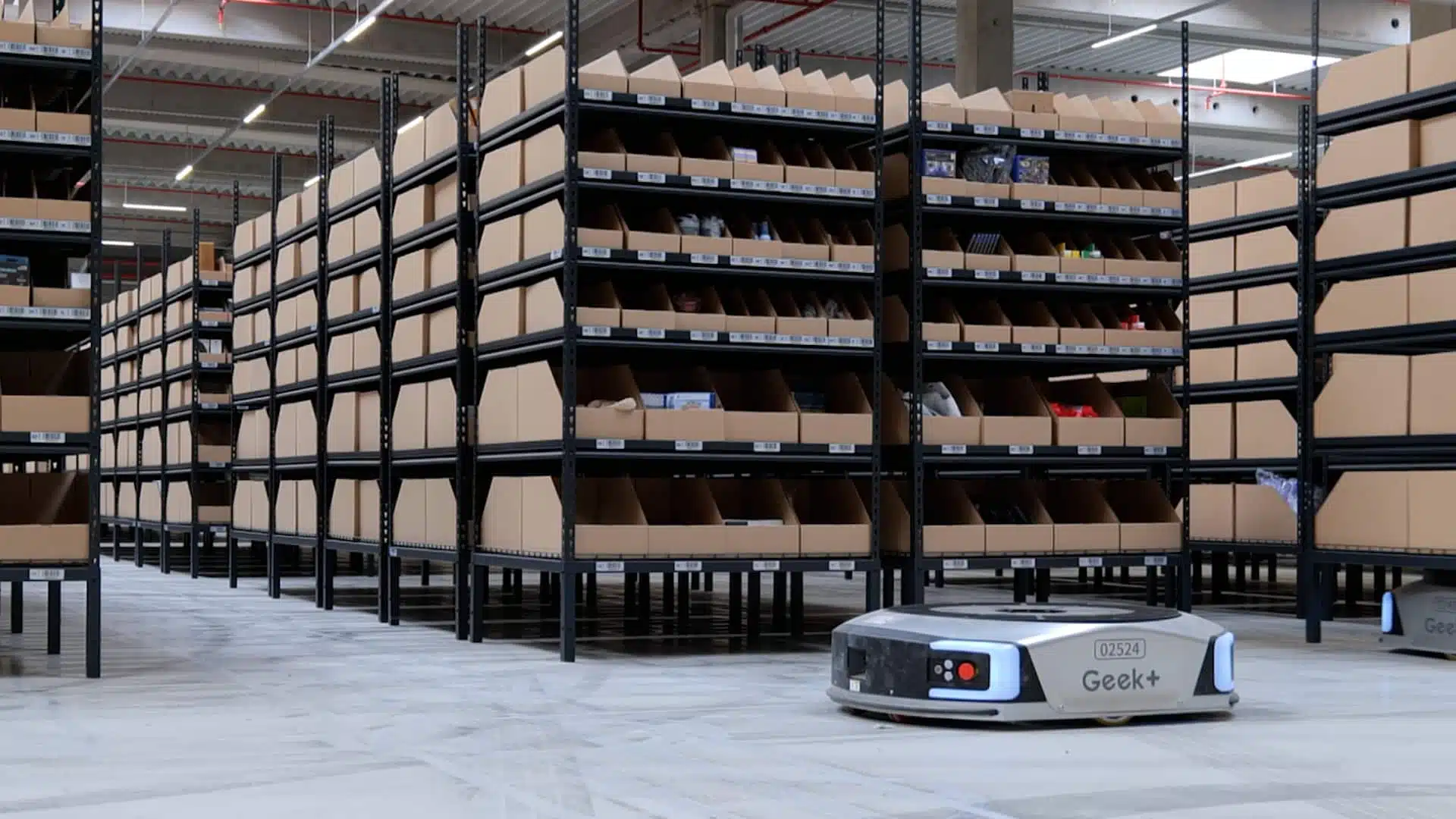
Robotics can automate time-consuming tasks such as picking and packing, freeing up staff to focus on more complex tasks. Automated warehouse systems can also improve the accuracy and speed of warehouse operations, resulting in enhanced efficiency and reduced costs.
AI and Machine Learning
AI and machine learning can analyze large datasets to identify patterns and predict demand. This can help businesses optimize their inventory, reduce waste, and improve customer satisfaction. AI can also be used to enhance warehouse security by identifying potential threats and suggesting preventive measures.
Sustainability in Warehouse Management
Sustainability has become an important factor in modern warehouse management. Companies are seeking ways to reduce their environmental impact through more efficient resource management and waste minimization.
Green Warehouse Strategies
Companies can implement green warehouse strategies by optimizing their supply chain, reducing energy consumption, and using environmentally friendly materials. This can not only reduce environmental impact but also improve the company's reputation and meet increasing customer demands for sustainability.
Recycling and Reuse
Recycling and reusing materials can reduce waste and promote a circular economy. Companies can establish recycling programs for packaging and equipment, leading to cost savings and reduced environmental impact.

Technological Trends in Warehouse Management
The development of new technologies is constantly impacting warehouse management practices. From advanced automation to integrated systems, companies can leverage these trends to enhance their operational efficiency.
Integrated Systems
Integrated systems can connect various warehouse functions, such as procurement, logistics, and customer service, into a cohesive platform. This allows for better coordination and communication across the organization.
Augmented Reality (AR) in Warehouse Management
Augmented Reality (AR) is increasingly being used in warehouse management by providing employees with visual aids that can improve picking and packing processes. With AR glasses, workers can quickly identify products and access necessary information in real-time.
Edge Computing
Edge computing brings computing power closer to the warehouse, reducing latency and improving responsiveness. This is particularly useful in warehouse management, where real-time data can enhance decision-making and efficiency. By processing data locally, businesses can also reduce reliance on centralized data centers, thereby improving operational reliability.
Challenges and Solutions in Warehouse Management
While technological advancements have led to significant improvements in warehouse management, businesses still face various challenges. It is crucial to identify these challenges and implement appropriate solutions.
Increasing Complexity in the Supply Chain
With globalization, supply chains have become more complex, requiring advanced solutions to ensure effective management. Technologies like IoT and blockchain can help manage this complexity by offering better visibility and control.
Security and Data Protection
As warehouse management systems become more digitally integrated, security is a growing concern. Implementing robust cybersecurity measures is essential to protect against data theft and cyberattacks.
Scalability and Flexibility
As businesses grow, warehouse management systems must be able to scale efficiently. Flexible systems that can adapt to changing business needs are crucial for maintaining efficiency. By implementing modular solutions, companies can easily adapt to changes and grow without needing to redesign their entire warehouse management infrastructure.
Conclusion
Effective warehouse management requires a combination of advanced technology, data-driven insights, and a strong understanding of market trends. By integrating technologies like AR, IoT, blockchain, and AI, businesses can improve their warehouse operations, increase efficiency, and build a more sustainable supply chain. A successful warehouse management strategy can result in increased competitiveness and customer satisfaction, strengthening the company's position in an ever-changing market.
Learn more about automatic warehouse management systems.
Explore further insights on Supply Chain Brain.
Contact us today to discover how our solutions can revolutionize your warehouse management.
Share post:
Want to learn more about Warehouse Management Systems?
Need help figuring out whether a warehouse management system is the right fit for your business? You’re always welcome to get in touch – and together we’ll find the best solution for your needs.

Christian Mikkelsen
CCO, Apport Systems
E: [email protected]
T: +45 4177 6304
Christian Mikkelsen
CCO, Apport Systems
E: [email protected]
T: +45 4177 6304
Did you read one of these blogposts?

Boost your picking speed with Pick-by-Voice
In this blog post, we will focus on how you can utilize your WMS (Warehouse Management System) even more efficiently