When one logistics solution must manage multiple warehouses
Learn how central logistics solutions improve warehouse management for growing businesses, boosting efficiency and customer satisfaction.


CCO, Apport Systems
Are you considering optimizing your inventory management? Are you unsure which logistics solution fits your growing business? Choosing the right logistics solution can be crucial for scaling operations efficiently. Here you will get an overview of how to make the best decision for your inventory management.
Logistics management plays a central role in many companies’ success, especially when it comes to managing growth effectively. It is important to choose a solution that not only meets current needs but can also adapt to future challenges. In this article, we will look at how to identify the necessary features in a logistics solution, choose a scalable solution, take advantage of automation, and ensure seamless integration with existing systems.
The first step in choosing a logistics solution is understanding your company’s specific needs. Consider where your current systems fall short and which aspects of inventory management need improvement. Do you need better visibility over inventory, or is it the efficiency of the picking process that needs optimization?
A thorough analysis of your current work processes can provide insights into which features are most necessary. This can include everything from automating manual processes to integration with existing ERP systems. Knowing your needs helps to find a solution that matches your strategic goals. Read more about WMS for a deeper understanding of how integrations can enhance your systems.
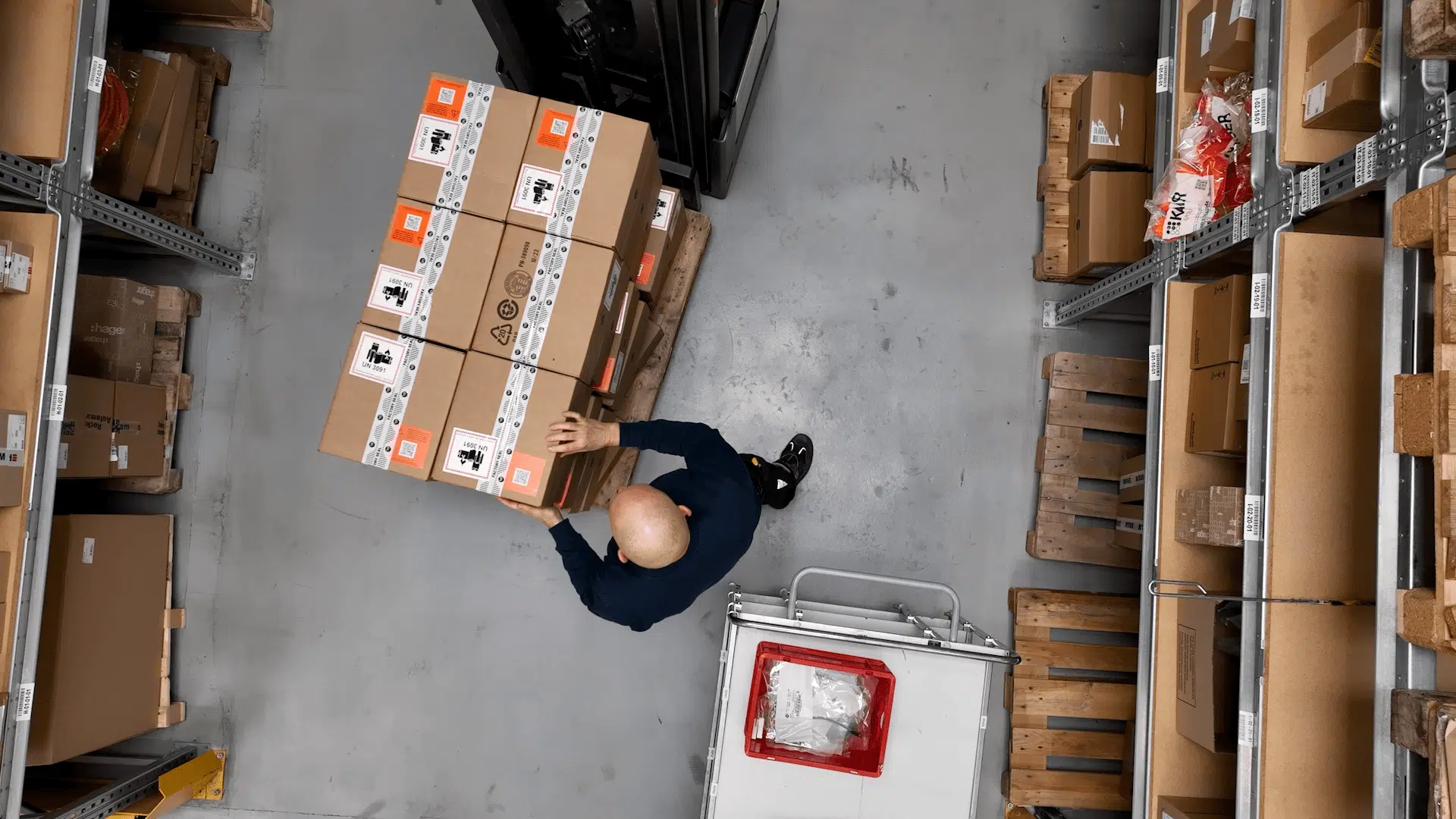
A detailed needs analysis can, for example, involve evaluating the warehouse’s current capacity and existing bottlenecks in processes. It can also mean reviewing the warehouse layout and considering whether physical restructuring is needed to optimize workflows. A hypothetical example could be a company experiencing shipping delays due to inefficient warehouse picking. By mapping the problem, they can choose a solution offering advanced picking technology, which can significantly reduce the time spent on this task.
To ensure your needs identification is as accurate as possible, it may be beneficial to involve all relevant departments in the process. This can include warehouse staff, IT specialists, and management. By gathering input from all levels of the company, you can get a more holistic picture of the challenges and needs that exist. This can help prevent important aspects from being overlooked and ensures that the chosen solution has broad internal support.
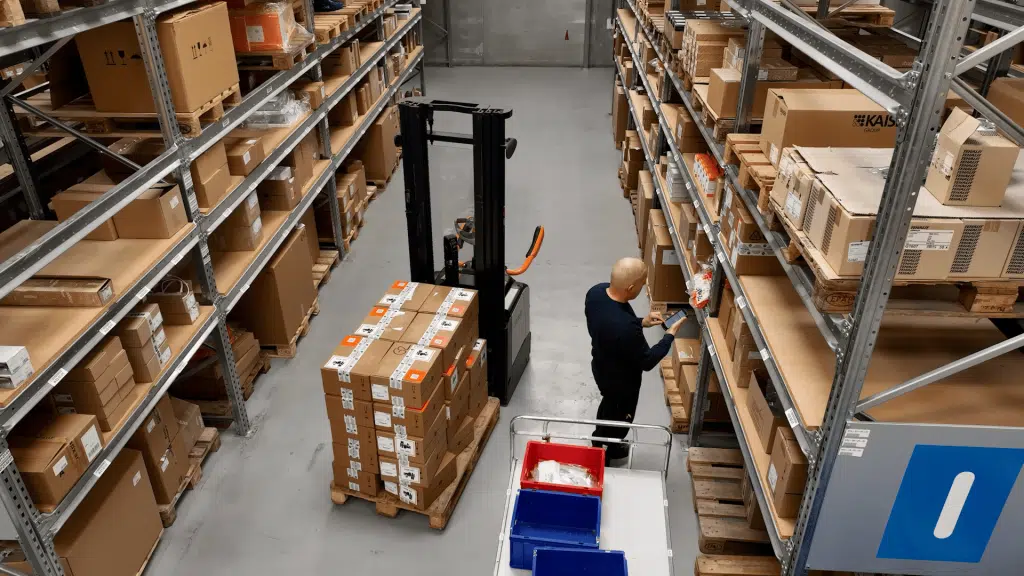
When choosing a logistics solution, it is important to think ahead. Choose a solution that can grow with your business. Scalability means that the system can handle an increasing number of orders and products without losing efficiency. Consider solutions that offer modules so you can add features as needed.
A scalable logistics solution can also help reduce picking errors, which improves customer satisfaction. By investing in a solution that can adapt to the company’s growth, you ensure that inventory management keeps pace with development. Read more about inventory management systems and overview.
A scalable solution should also consider future technological trends and customer preferences. For example, a company planning to expand into e-commerce may need a solution that can easily integrate with online platforms and efficiently handle an increasing number of small orders. A solution with flexible modules can adapt to these needs without requiring a complete system overhaul.
A scalable solution is not only technology that can grow with the company but also one that can quickly adapt to market changes. For example, a company suddenly seeing an increase in demand for a particular product can quickly adjust the system to prioritize picking and shipping of that specific product. This requires the system to be not only technologically advanced but also user-friendly and flexible in terms of changes in workflow.
Automation is an essential component of modern inventory management. By choosing a logistics solution that offers automation of routine tasks, you can free up time for more strategic tasks. This can include everything from automatic updating of inventory to robotic technology that handles picking and packing.
The efficiency of your inventory management can directly affect the company’s bottom line. Automated processes reduce errors and increase speed, allowing your team to focus on core activities. Consider investing in technology that can optimize your warehouse operations. Read more about WMS and warehouse management efficiency.
To ensure optimal utilization of automation, it is important to choose solutions that can be tailored to the specific context of your business. For example, a company handling temperature-sensitive goods may benefit from sensor technology to automatically monitor and adjust storage conditions. This can minimize waste and ensure products are always stored under the right conditions. Also, consider how automation can be integrated into other parts of the supply chain to maximize efficiency across the organization.
By implementing automation, companies can also save on labor costs and reduce human errors. For example, automated systems can be used to manage inventory in real-time, meaning order fulfillment can be done faster, and inventory errors minimized. This can be particularly crucial for companies operating in industries with high demands for precision and quick delivery.
Technologies such as artificial intelligence and machine learning can further enhance efficiency through automation. By implementing AI, companies can predict inventory needs based on past data and trends, which can help reduce excess inventory and optimize picking and packing. An example could be a retail company using AI to predict seasonal trends and thus proactively adjust inventory to meet customer needs.

Another important consideration is how the new logistics solution can integrate with your existing IT systems. A solution that easily connects with your ERP system can provide a more cohesive workflow and better data insights. This can help make more informed decisions based on real-time data.
Integration also reduces the risk of data duplication and inconsistencies, contributing to more streamlined operations. Ensure that the chosen solution can work with the systems you already use to maximize efficiency.
An important factor in integration is ensuring that the new systems not only function well internally but also externally with partners and suppliers. This may require the development of specific APIs or the use of middleware that can facilitate communication between different systems. By creating an open and flexible integration strategy, companies can more easily adapt to changes in both technology and market demands, leading to a more agile and responsive supply chain.
Integration with existing systems can also include compatibility with external partners and suppliers. For example, a company closely collaborating with a specific supplier may benefit from a logistics solution that can share inventory data in real-time to better coordinate supplies. A well-integrated solution means that all involved parties can work more efficiently together and quickly respond to changes in demand.
It is also important to consider the security aspects of integration. When multiple systems are connected, new vulnerabilities can arise that need to be addressed. This can include everything from securing data transmission to implementing strict access control measures. A hypothetical example could be a company implementing two-factor authentication to protect data when sharing information with external partners. A robust security strategy can be crucial for maintaining the integrity of both internal and external data.
Choosing the right logistics solution can be a strategic decision that affects the entire company’s value chain. By focusing on your specific needs, scalability, automation, and integration, you can ensure an efficient and future-proof solution. Remember that the right solution not only optimizes warehouse operations but also strengthens your competitiveness in a dynamic market situation. Read more about WMS and warehouse growth.
Choosing a logistics solution is about looking ahead and preparing for future challenges. A well-chosen solution will not only address current needs but also offer flexibility and scalability to accommodate future changes in the market. By investing time in analyzing and understanding your needs and by choosing a solution that can integrate with existing systems, you can create a robust and efficient inventory management strategy that supports your company’s growth and success.
Del indlæg:

CCO, Apport Systems
Learn how central logistics solutions improve warehouse management for growing businesses, boosting efficiency and customer satisfaction.