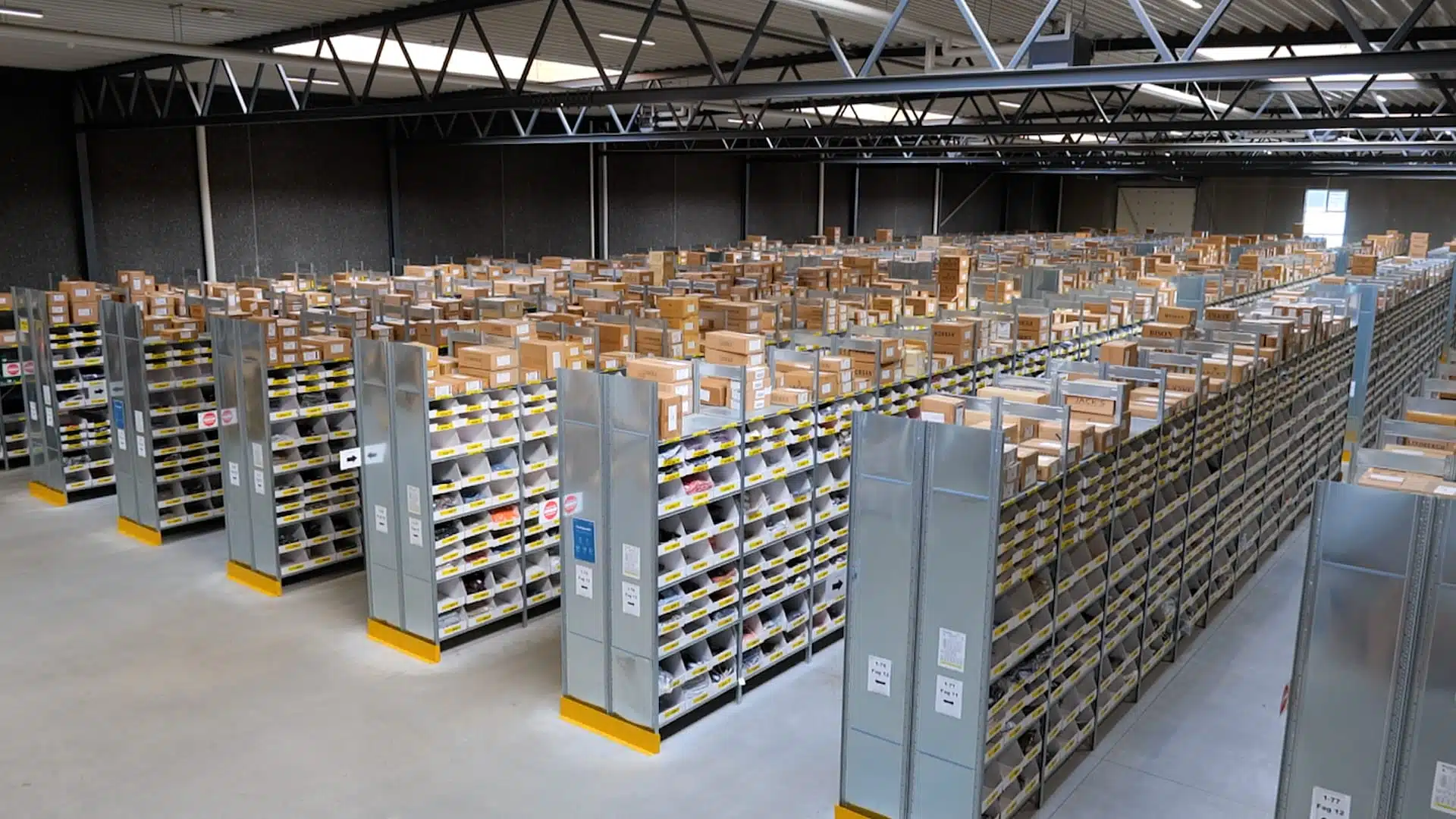

How Multiple Sales Channels Affect Your Order System
Last updated
24/10/2026

Carsten
COO, Apport Systems
How Do You Manage Multiple Sales Channels with One Order Management System?
As your business expands into multiple sales channels, keeping track of orders and inventory becomes increasingly important. Whether you sell through an online store, physical stores, or B2B channels, your order management system must be able to handle more orders and ensure that information stays up to date across all sales channels. Effective integration between your order management system, ERP, and WMS can provide better visibility, reduce manual tasks, and improve warehouse efficiency.
Learn more about integrations with Apport WMS.
Effective management of order systems
With multiple sales channels, such as physical stores, online platforms, and B2B markets, greater demands are placed on order systems. To ensure smooth operations, it is essential that the order system can integrate with all channels. An integrated system ensures that inventory is updated in real-time, and that all sales outlets have access to the same data. This reduces the risk of double bookings and stock shortages.
As companies expand their sales channels, it becomes crucial to choose an order system that can seamlessly integrate with both internal and external platforms. Effective integration ensures there are no bottlenecks in operations, and that inventory is continuously updated. By automating processes such as invoicing, order confirmation, and inventory updates, companies can achieve a more streamlined operation that reduces errors and increases efficiency.
A modern order system must be able to integrate with both internal and external systems. This includes financial systems, supplier portals, and customer databases. By integrating these systems, companies can improve their overview and efficiency. Read more about integrations with Apport WMS to understand how it can help optimize your processes.
Automation is key to handling an increasing number of orders efficiently. By automating repetitive processes, such as order confirmations, picking, and packing, companies can reduce errors and free up time for other important tasks. Automated systems can also improve customer satisfaction by ensuring faster and more accurate deliveries.
Implementing an effective order system can make the difference between success and failure for a company operating across multiple sales channels. For instance, a company that sells both online and in physical stores can benefit from a centralized order system that synchronizes inventory and customer data across all platforms. This system can also facilitate recurring processes such as restocking and handling returns, promoting a smoother customer experience.
Did you know
- Order systems integrate sales channels.
- Automation reduces order errors.
- Real-time data aids warehouse management.
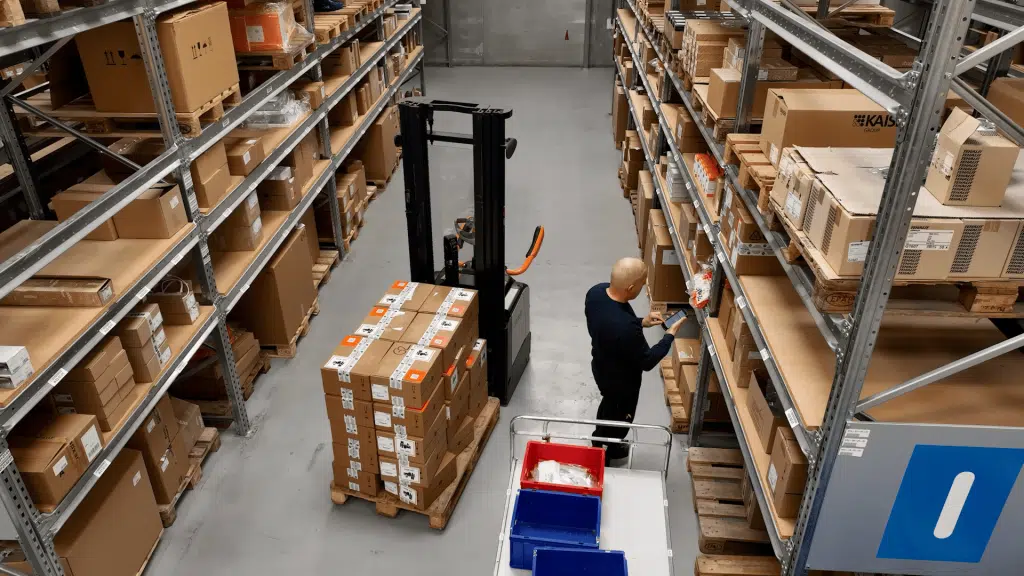
Optimizing warehouse operations
As a warehouse grows, it becomes necessary to scale operations to maintain efficiency. This can be done by implementing flexible workflows that can be adjusted as needed. A dynamic warehouse setup that can be modified according to seasonal fluctuations and campaigns ensures the warehouse always operates optimally.
Optimizing warehouse operations requires companies to constantly evaluate and adapt their warehouse processes to changing market conditions. Implementing flexible workflows and smart warehousing strategies can help reduce costs and improve delivery times. As the warehouse grows, one should also consider investing in technology that can automate warehouse processes and improve accuracy in inventory management. This may include using warehouse management systems that provide real-time data and analytics, which are essential for making informed decisions.
Effective warehouse management requires a system that can adapt to changes in inventory. This includes the ability to adjust stock levels quickly and accurately. Read more about optimizing warehouse systems with Apport WMS to gain insight into how you can improve your inventory management.
To make informed decisions, it is important to have access to detailed analytics and reports. A good order system should be able to deliver accurate data on sales performance, inventory, and customer behavior. This allows companies to identify growth opportunities and potential issues early on.
Effective warehouse operations also require the company to account for future growth opportunities. For example, if a company plans to add new product lines, its warehouse management system should be able to handle increased complexity without compromising efficiency. Moreover, the use of predictive analytics can help forecast future inventory needs based on historical data, ensuring the warehouse is always optimally equipped to meet customer demands.
Did you know
- Flexible workflows adapt warehouse operations.
- Predictive analytics forecasts inventory needs.
- Deliveries impact customer satisfaction.

Handling complexity and customer service
With more orders and a larger product range, the complexity of warehouse operations increases. It is essential to ensure that all processes run smoothly and are coordinated to avoid bottlenecks. This can be achieved with advanced order systems that can handle complex workflows and large data volumes.
With increasing complexity in warehouse operations, it is essential to have advanced order systems that can handle complex workflows and large data volumes. This helps ensure that all processes run smoothly and are coordinated. Effective management of these factors can also improve customer service by ensuring timely deliveries and accurate information for customer service departments. When customer service representatives have access to updated order history and inventory, they can better assist customers and increase customer satisfaction.
An effective order system contributes to better customer service by ensuring that customers receive their products quickly and without errors. This can be achieved by having a system that provides customer service representatives easy access to order history and inventory. Read more about the warehouse’s impact on customer service to understand the importance of effective warehouse operations.
Being able to handle the complexity of warehouse operations is a crucial factor in maintaining a high standard of customer service. For example, by implementing an advanced order system, a company can ensure that the customer service department always has access to up-to-date information on order status and inventory. This enables employees to provide precise and quick answers to customer inquiries, which can enhance customer satisfaction and loyalty.
Preparing for seasonal fluctuations
It is important to have an order system that can handle increased demand during peak seasons, such as Black Friday and the holiday shopping season. To avoid delays and errors, it is necessary to have a plan for how the warehouse can scale up during these periods. Read more about preparation for Black Friday to ensure your warehouse is ready for busy periods.
Preparing for seasonal fluctuations is a critical part of warehouse management. Black Friday, the holiday season, and other peak seasons require the warehouse to scale quickly to meet increased demand. This can be achieved through proactive planning and having a flexible warehouse setup that can be adjusted quickly. By analyzing past sales data and predicting demand patterns, companies can better plan their inventory needs and ensure they have enough resources to handle busy periods without compromising service quality.
With multiple sales channels, greater demands are placed on your order system. To handle the increased pressure, it is necessary to integrate systems, automate processes, and scale warehouse operations. Effective warehouse management and data analysis are key to improving both operations and customer service. By preparing for peak seasons and managing the complexity of warehouse operations, companies can ensure smooth and efficient operations.
In summary, it is crucial for companies to integrate their order systems and warehouse management to handle the pressures that come with multiple sales channels. This requires a strategic approach to automation, data analysis, and scalability, especially during peak seasons. Successfully managing these aspects can improve both operational efficiency and customer satisfaction, ultimately leading to increased growth and competitiveness in the market.
FAQ
How can an order system integrate with multiple sales channels?
An order system can integrate with multiple sales channels by synchronizing data across all platforms, updating inventory in real-time, and reducing the risk of double bookings.
What is the benefit of automating order confirmations and packing?
Automating order confirmations and packing reduces errors and frees up time for other important tasks, improving operational efficiency.
How can warehouse operations be optimized during seasonal fluctuations?
Warehouse operations can be optimized during seasonal fluctuations through proactive planning and a flexible warehouse setup, allowing quick adjustments to meet increased demand.
What role does predictive analytics play in warehouse management?
Predictive analytics helps forecast future inventory needs based on historical data, ensuring the warehouse is optimally equipped to meet customer demands.
Why is real-time data important for warehouse management?
Real-time data is crucial for warehouse management as it allows for quick and accurate stock level adjustments, essential for efficient operations.
Which systems should order systems integrate with?
Order systems should integrate with financial systems, supplier portals, and customer databases to improve overview and efficiency.
How can a company improve customer service through order systems?
A company can enhance customer service by ensuring representatives have easy access to updated order history and inventory, enabling accurate and quick responses to customers.
What are bottlenecks in order systems, and how can they be avoided?
Bottlenecks occur when integration between systems is inefficient, which can be avoided by selecting an order system that integrates seamlessly with both internal and external platforms.
How does automation affect warehouse processes?
Automation reduces errors and improves accuracy in warehouse management, leading to faster and more precise deliveries.
What is the significance of flexible workflows for warehouse operations?
Flexible workflows are significant for warehouse operations as they can be adapted as needed, ensuring optimal functioning even during seasonal fluctuations and campaigns.
Del indlæg:

Christian Mikkelsen
CCO, Apport Systems
Do you need help assessing whether a warehouse management system is right for your business? You are always welcome to contact me so that together we can find the best solution for your business.