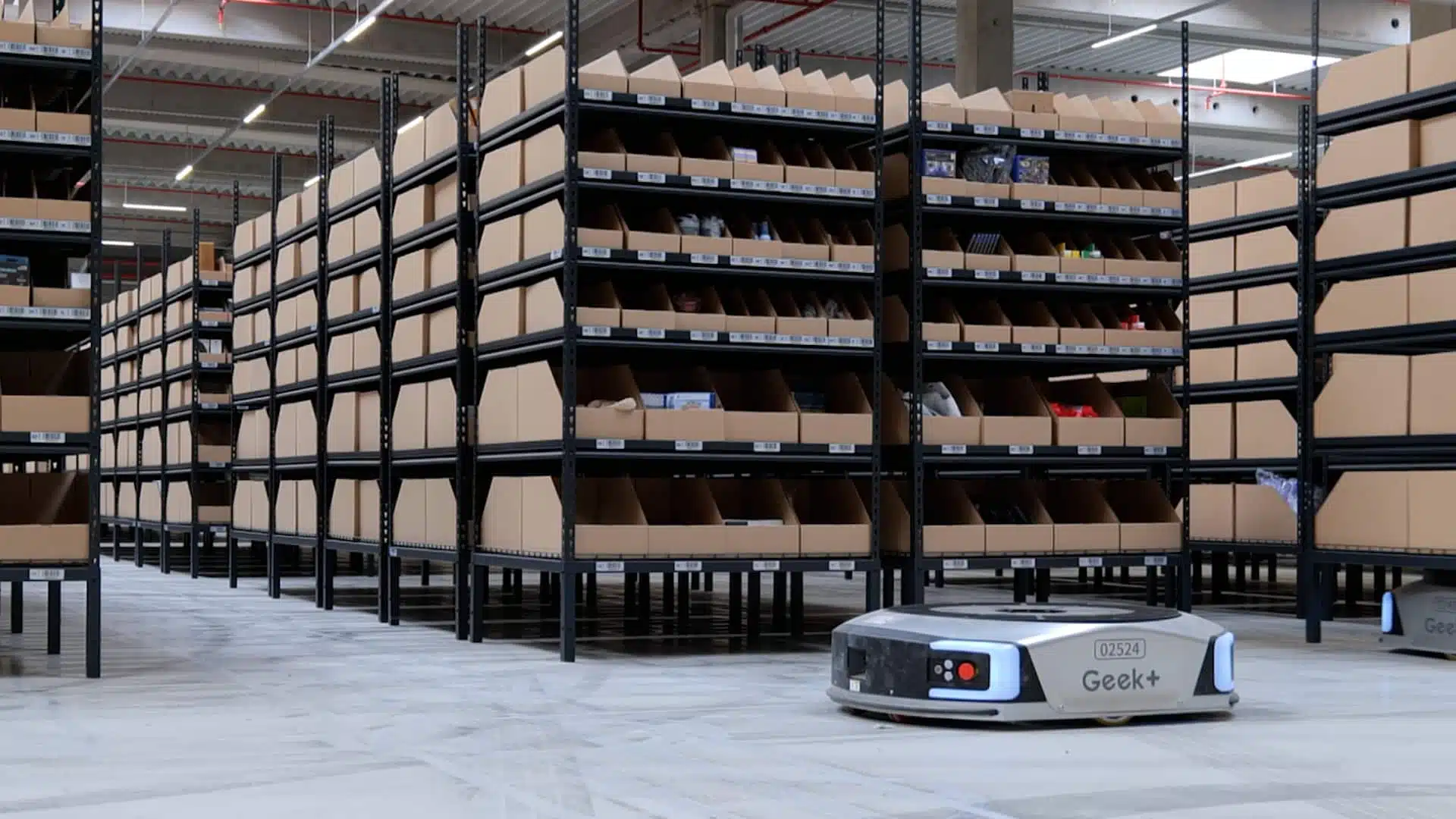
How Improved Warehouse Logistics Can Reduce Costs and Enhance Delivery Reliability
03/04/2026

Christian
CCO, Apport Systems
Introduction to Efficient Warehouse Logistics
Warehouse logistics play a crucial role in any e-commerce business, especially for small warehouses that are beginning to experience a growing need for efficient management. By optimizing warehouse logistics, companies can not only reduce costs but also improve delivery reliability. This article will guide you through some basic steps to enhance your warehouse logistics.
Understand Your Warehouse Needs
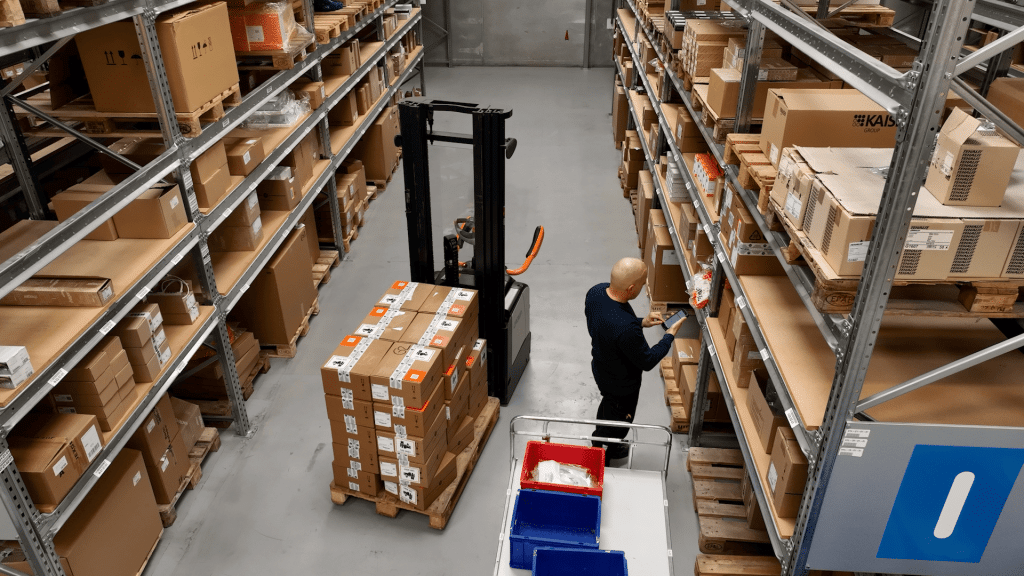
The first step in improving warehouse logistics is gaining a clear understanding of your current warehouse needs. This includes assessing warehouse size, product volume, and the current storage method. If you want to learn more about how your warehouse can adapt to a WMS, you can read this article on WMS adaptation.
Analyze Your Current Process
The next step is to analyze your current warehouse process. This means looking at how goods are received, stored, and dispatched. By mapping the process, you can identify inefficiencies and areas that require improvement. Efficient warehouse logistics mean minimizing the time spent on each of these steps.
Implementation of Technology
Technology can be a significant aid in warehouse logistics. By using a warehouse management system, you can easily track and manage inventory. Consider reading more about how AI and automation can shape the future of warehouse management in this article on the future of warehouse management.
Automate Your Processes
Automation can help reduce errors and increase efficiency. Consider implementing automatic inventory updates that keep track of when stock needs replenishing. This can also help improve delivery reliability by ensuring that you always have the necessary goods in stock.
Optimizing Warehouse Space
Another important factor in efficient warehouse logistics is optimal use of warehouse space. By organizing the warehouse in a way that maximizes available space, you can reduce waste and improve the accessibility of goods. Learn more about how to prepare your warehouse for busy periods like Black Friday in this article on warehouse preparation.
Use of Flexible Storage Systems
By employing flexible storage systems, you can quickly adapt to changes in warehouse needs. This can be crucial during periods of high demand.

Improving Delivery Reliability
Delivery reliability is a critical part of warehouse logistics. By ensuring that your goods are delivered on time, you can build customer trust and enhance your company's reputation. Efficient warehouse management is key to achieving this.
Communication with Suppliers
An important part of delivery reliability is maintaining good communication with your suppliers. Ensure you have clear agreements on delivery times and quantities so you can plan your warehouse effectively.
Conclusion
For small warehouses with emerging needs in the e-commerce sector, efficient warehouse logistics is a necessity. By understanding your warehouse needs, implementing technology, optimizing warehouse space, and improving delivery reliability, you can not only reduce costs but also enhance customer satisfaction. If you want to read more about how success in e-commerce lies in the warehouse, you can visit this article.
Take control of your warehouse logistics today and see the difference in your company's efficiency and customer satisfaction. If you have any questions or need professional advice, do not hesitate to contact us.
The Future of Warehouse Logistics
As technology continues to evolve, the future of warehouse logistics becomes increasingly exciting. The introduction of new technologies such as blockchain can enable even more precise tracking of goods, potentially revolutionizing how logistics are handled. These technologies can provide greater transparency and traceability in the supply chain, leading to more informed decision-making and improved inventory management.
Blockchain in Warehouse Management
Blockchain technology offers a decentralized way to track goods across the supply chain. This can mean that all parties in the chain have access to the same information, reducing the risk of errors and fraud. As more companies begin to explore the application of blockchain in warehouse management, it could become a game-changer in how we handle logistics.
Environmental Sustainability
Another growing focus area in warehouse logistics is environmental sustainability. Companies are increasingly seeking ways to reduce their carbon footprint and implement greener solutions. This can include everything from optimizing transportation networks to reducing energy consumption in warehouse buildings. By integrating sustainable practices, companies can not only achieve cost savings but also enhance their brand image among environmentally conscious consumers.
Training and Upskilling Employees
As technology changes, it is important that employees in warehouse logistics also update their skills. Training and upskilling employees can ensure that they are able to work effectively with new technologies and processes. This can include courses in using new warehouse management systems, understanding AI-based tools, and how to implement sustainable practices in their daily work.
Developing Strategic Partnerships
To achieve maximum efficiency, it can be beneficial to develop strategic partnerships. This can include collaborating with suppliers, logistics providers, and technology partners to create a more integrated supply chain. By working closely with partners, companies can better predict demand, plan inventory, and ensure timely deliveries.
Data Analysis and Decision-Making
Modern warehouse logistics require the use of data analysis to make informed decisions. By analyzing data on inventory movements, consumption patterns, and supplier performance, companies can identify trends and optimize their inventory management. Data analysis can also help predict future needs and minimize the risk of overstocking or understocking.
Customer-Centric Approach
Having a customer-centric approach in warehouse logistics means focusing on delivering value to the customer through fast and reliable deliveries. This requires companies to constantly evaluate and improve their logistics processes to meet customer expectations. By integrating feedback from customers, companies can adjust their warehouse strategies and enhance the overall customer experience.
Integration of New Technologies
Moving towards a more digital future, we see an increasing integration of advanced technologies in warehouse logistics, such as drone deliveries and IoT devices. These technologies can significantly improve efficiency by reducing delivery times and providing real-time status updates on inventories.
Drone Deliveries
Drone deliveries represent a shift towards faster and more flexible delivery options. They can reduce transportation costs and delivery times, especially in urban areas with high traffic. Companies investing in drone deliveries can gain a competitive advantage by offering faster delivery times.
IoT in Warehouse Management
Internet of Things (IoT) devices can play a significant role in warehouse management by offering real-time monitoring of temperature, humidity, and inventory movements. This can help ensure that goods are stored under optimal conditions and reduce the risk of damage.
The Future of Employee Roles
With technological advancements, the future of employee roles in warehouse logistics is also changing. There will be a growing demand for employees with technical skills and the ability to work with advanced systems.
Specialization in Technological Tools
Employees will increasingly need to specialize in the use of technological tools and systems to navigate an increasingly digital warehouse landscape. This can include expertise in warehouse management software, automation technologies, and data analysis.
Focus on Collaboration and Innovation
In addition to technical skills, there will be an increased focus on collaboration and innovation. Employees must be able to work effectively in cross-functional teams and contribute innovative solutions to improve warehouse processes.
Share post:
Want to learn more about Warehouse Management Systems?
Need help figuring out whether a warehouse management system is the right fit for your business? You’re always welcome to get in touch – and together we’ll find the best solution for your needs.

Christian Mikkelsen
CCO, Apport Systems
E: [email protected]
T: +45 4177 6304
Christian Mikkelsen
CCO, Apport Systems
E: [email protected]
T: +45 4177 6304
Did you read one of these blogposts?


Logistics Management with Fewer Urgent Tasks
How can you reduce the number of urgent tasks in logistics management? Are there effective methods to optimize warehouse processes?