How e-conomic integrates with WMS
Last updated
29/10/2026

Kim
CTO & CPO, Apport Systems
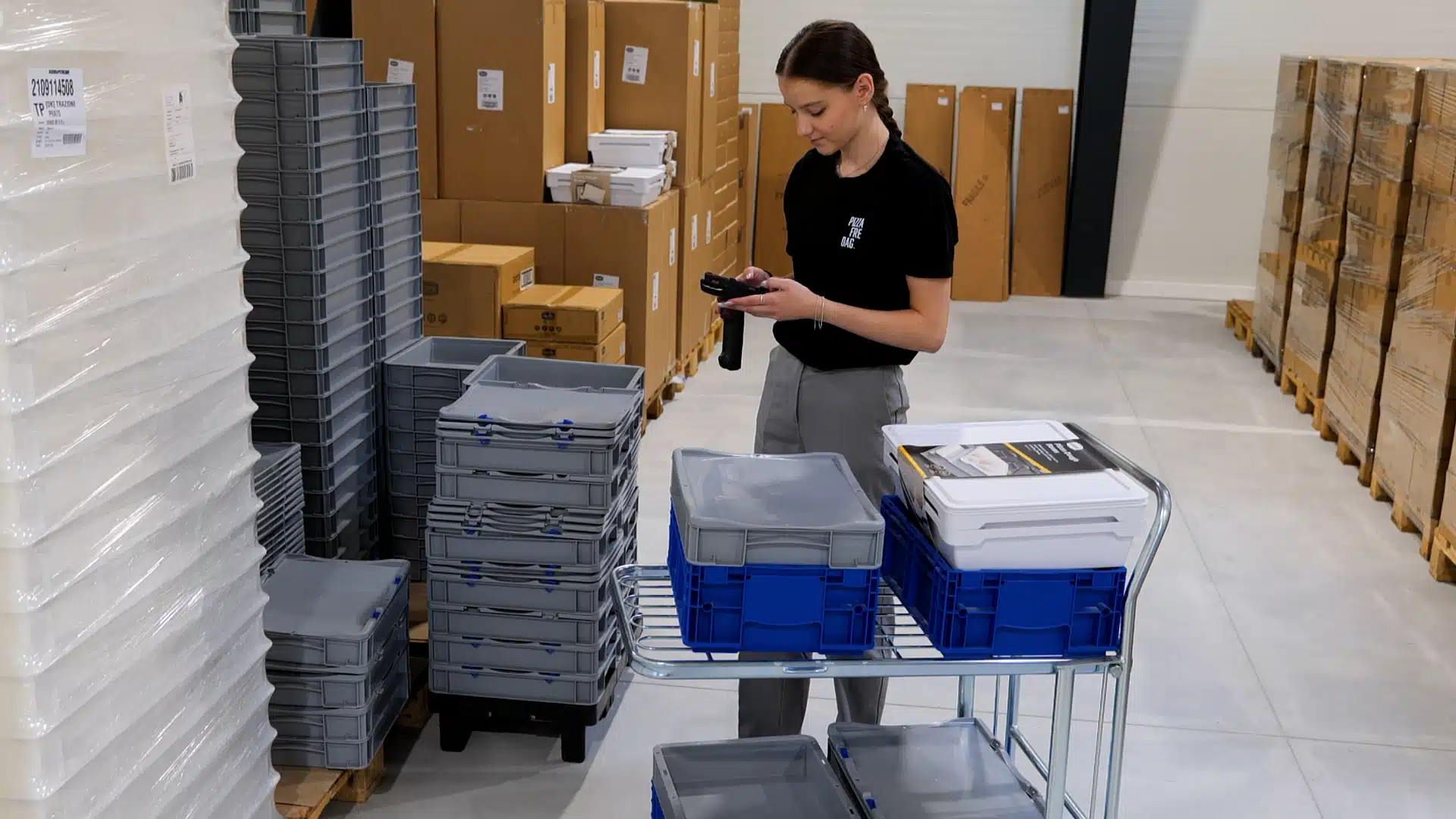
How do you integrate e-conomic with a Warehouse Management System (WMS)? What benefits are gained by combining these systems? How do you ensure stable operations when integrating e-conomic and WMS? E-conomic and WMS together can create more efficient warehouse management, beneficial for manufacturing, wholesale, and e-commerce companies. By integrating these systems, one gains better inventory visibility and more precise data handling.
Read more about integrations with Apport WMS.
Benefits of integrating e-conomic and WMS
Integration between e-conomic and WMS offers many advantages that can optimize your warehouse management. One of the primary goals of integration is to improve data quality and reduce manual entries. When the systems work together, you can automatically synchronize data between the warehouse and the financial system, saving time and reducing the risk of errors.
Another major benefit is improved inventory management. With the integration, you can track items in real time, helping avoid overstocking or understocking. This is especially important for companies looking to optimize their inventory turnover rate. Read more about integrations and how they can help your business.
Integration between e-conomic and WMS can also enhance inter-departmental collaboration, as everyone has access to updated and accurate information. This leads to better decision-making and quicker responses to changes in inventory levels. Additionally, the integration can improve customer service by ensuring products are always in stock and ready for shipment, thereby increasing customer satisfaction.
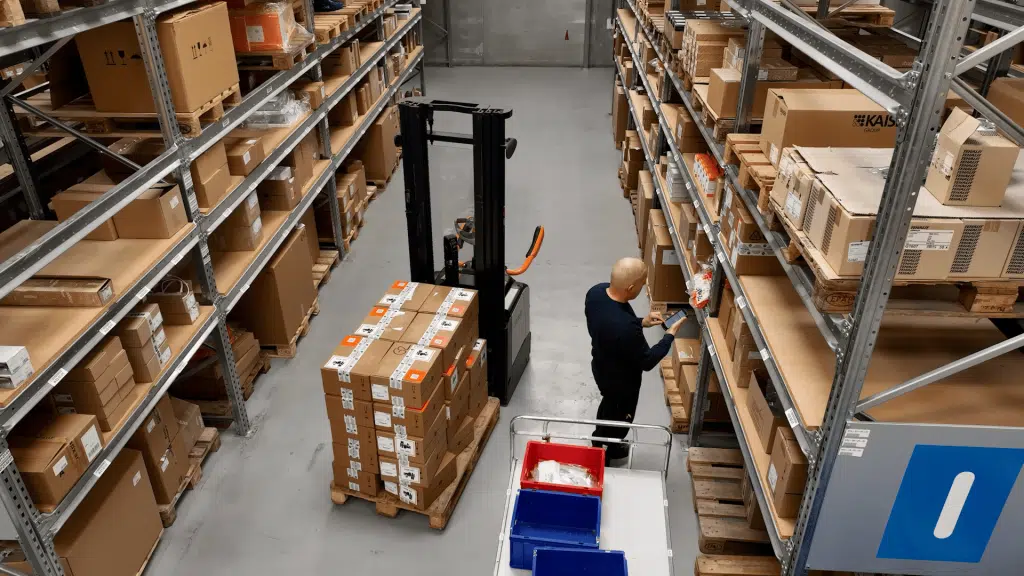
Automating warehouse processes is another significant advantage of integrating e-conomic and WMS. By automating processes like order picking, packing, and shipping, you can increase efficiency and reduce personnel needs. This frees up resources that can be used elsewhere in the company.
Automation can also contribute to better warehouse optimization by using algorithms that analyze stock movements and predict future needs. This can help minimize inventory costs and improve turnover rates by ensuring the right products are available at the right time. For example, the system can suggest reordering based on past sales patterns and current inventory levels, reducing the risk of both overstocking and understocking.
This automation also enhances delivery reliability by reducing errors in the picking and packing processes. Furthermore, automation helps maintain high customer satisfaction by ensuring timely deliveries.
Did you know
- Integration improves data quality.
- Automation reduces picking errors.
- Real-time inventory minimizes overstocking.
Implementation and data migration
How to implement the integration
Implementing the integration between e-conomic and WMS requires a structured approach. First, ensure your existing systems are compatible with the integration. This may involve updates or adjustments to current software. It is also crucial to involve IT and ERP managers in the process to ensure a smooth implementation.
The next step is to define specific goals for the integration. What do you want to achieve? Is it better inventory management, more accurate data, or something else entirely? Having clear goals allows you to measure the success of the integration and adjust the process as needed.
Finally, it is essential to train your staff on using the new system. Without proper training, the new processes could create more confusion than benefit. Read more about warehouse management in growing companies for further insight.
Data migration and testing processes
After defining the goals and training the staff, it is time to focus on data migration. Successful data migration requires careful planning to ensure all relevant data is correctly transferred from e-conomic to WMS. This includes a detailed review of data quality and relevance, as well as establishing backups to protect against data loss during the transfer. It might be helpful to have a project manager to coordinate these activities and ensure timelines and budgets are adhered to.
It is also important to choose the right integration partner who can offer support and expertise throughout the process. An experienced partner can help identify potential challenges early on and suggest solutions tailored to the company’s specific needs. Additionally, a partner can help scale the system as the company grows, ensuring the integration remains relevant over time.
Data migration is a critical part of the integration process. It is important to transfer existing data from e-conomic to WMS without losing critical information. This requires detailed planning and often a test phase where small data amounts are moved to ensure the process works correctly.
Following the migration, it is important to thoroughly test the system. This includes testing both data transfer and the automated processes. Any errors can thus be identified and resolved before the system goes live.
Evaluation and adjustment after data migration
Automation also plays a crucial role in this phase. By automating the testing processes, you can effectively evaluate the system’s performance and ensure all functions operate as expected. This may include automated scripts that repeatedly test different scenarios and report the results. By using this approach, you can quickly detect and fix errors that might otherwise have been missed, ensuring a more stable and reliable implementation.
A successful example of data migration might be a company that first conducts a test migration with a small portion of their data to ensure everything functions correctly. After the test phase, they can complete the migration with the rest of the data. This step-by-step approach minimizes the risk of errors and ensures all systems work as expected when put into use.
After a successful data migration, the company should also focus on evaluating the new workflows introduced. This can include regular meetings with key stakeholders to discuss how the integration affects their daily work processes and whether further adjustments are needed. By incorporating feedback from users, the company can make necessary adjustments to optimize the system’s functionality and ensure it meets business requirements in the long term.
Did you know
- Automatic data transfer saves time.
- Centralized reporting boosts efficiency.
- Data migration requires detailed planning.
Ongoing maintenance and security
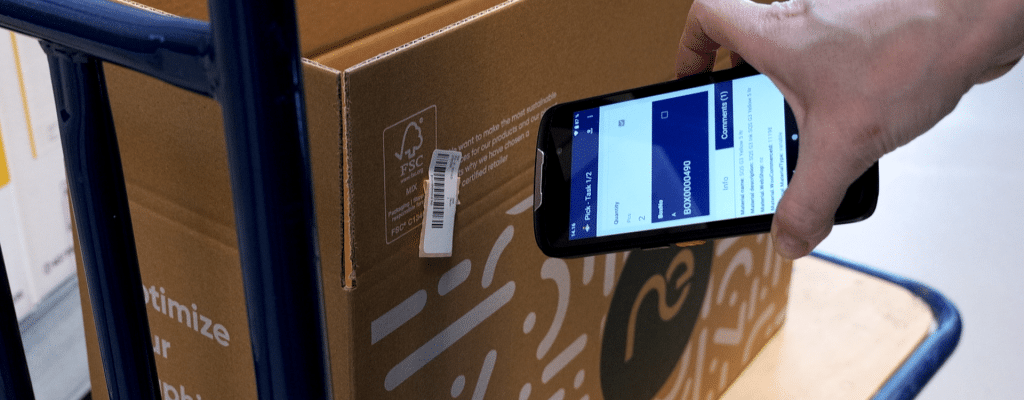
Once the integration between e-conomic and WMS is completed, it is vital to establish a plan for ongoing monitoring and maintenance. This ensures the system operates optimally and can adapt to changing business needs.
Regular monitoring can help identify potential issues before they impact operations. It typically involves reviewing system log files, monitoring data flow, and evaluating the system’s performance. Maintenance can include software updates and adjustments based on user feedback.
To ensure stable and efficient operations, it is recommended to have a dedicated system administrator who can handle any technical challenges. Read more about optimizing warehouse management with modern tools.
It is also essential to ensure all security protocols are regularly updated to address new threats. A proactive approach to security may include regular training sessions for employees so they are aware of potential risks and know how to protect company data effectively. This contributes to a general culture of security awareness within the organization.
Implementing an integrated system also requires a focus on security. It is important to protect data from unauthorized access and ensure that all processes comply with applicable data protection laws. This may involve using encryption, access controls, and regular security audits.
By taking these precautions, you can minimize the risk of data breaches and protect the company’s reputation. An effective security strategy is crucial for maintaining customer trust and ensuring continuous operations.
To fully benefit from the integration, the company should also consider investing in advanced analytics tools that can extract insights from the integrated data. These tools can help identify patterns and trends in inventory, allowing the company to further optimize their purchasing strategies and warehouse management.
Conclusion on the benefits of integration
Integrating e-conomic with a WMS can significantly enhance warehouse management for companies that have outgrown simple spreadsheets or older systems. By automating processes and improving data quality, companies can achieve greater efficiency and better control over their inventory. However, it is important to plan the integration carefully and ensure that all involved parties are trained in using the new system. With proper implementation and maintenance, the integration between e-conomic and WMS can become a valuable investment for any business. Read more about ERP and WMS for additional information on effective warehouse management.
Overall, the integration between e-conomic and a Warehouse Management System (WMS) is a strategic decision that can lead to significant improvements in warehouse management. By linking the financial system with warehouse management processes, companies can achieve a more streamlined operation that supports growth and efficiency. However, it requires a careful implementation strategy and a continuous effort to maintain the system and protect data. When done correctly, it can create a solid platform for future innovation and leverage data insights to drive business decisions and enhance customer service.
An additional benefit of the integration between e-conomic and WMS is the ability to centralize reporting and analysis. By consolidating data from both systems, companies can gain a more complete understanding of their operational efficiency. This can include analyses of sales trends, inventory utilization, and financial performance, all of which can inform strategic decisions. This centralized approach allows for rapid and accurate report generation, saving time and resources compared to manual data collection and analysis.
FAQ
What is the purpose of integrating e-conomic with WMS?
The purpose is to enhance warehouse management by providing better visibility and precise data handling.
How can the integration between e-conomic and WMS improve data quality?
Integration reduces manual entries and automatically synchronizes data, which enhances data quality.
What advantage does real-time inventory management offer?
Real-time inventory management helps avoid overstocking or understocking, optimizing inventory turnover rates.
How can automation reduce personnel needs?
Automation of processes like order picking and packing increases efficiency and reduces the need for personnel.
What role does data migration play in the integration?
Data migration is crucial for accurate data transfer and requires careful planning and testing.
How can integration improve customer service?
Integration ensures products are always in stock and ready for shipment, increasing customer satisfaction.
What is important when implementing the integration?
Ensuring compatibility and training staff is important to avoid confusion.
How can centralized reporting be beneficial?
Centralized reporting provides a complete understanding of operational efficiency and enables quick and accurate report generation.
What is an important security aspect of the integration?
It is important to protect data from unauthorized access and comply with data protection laws.
How can companies benefit from advanced analytics tools?
Advanced analytics tools can extract insights from integrated data, optimizing purchasing strategies and warehouse management.
Del indlæg:

Christian Mikkelsen
CCO, Apport Systems
Do you need help assessing whether a warehouse management system is right for your business? You are always welcome to contact me so that together we can find the best solution for your business.