Skip to content

How Better Warehouse Management Reduces Your Operational Costs

How Better Warehouse Management Reduces Your Operational Costs

27/05/2026
Picture of Christian
Christian

CCO, Apport Systems

Understanding the Fundamentals of Warehouse Management

As a warehouse and logistics manager in a growing e-commerce company, you know that effective warehouse management is crucial for reducing operational costs. It’s not just about having products on the shelves, but also ensuring that these products can be quickly and accurately picked, packed, and shipped to customers. Warehouse management includes processes such as receiving, storage, picking, and shipping, all of which can be optimized to improve efficiency.

Optimizing Warehouse Space

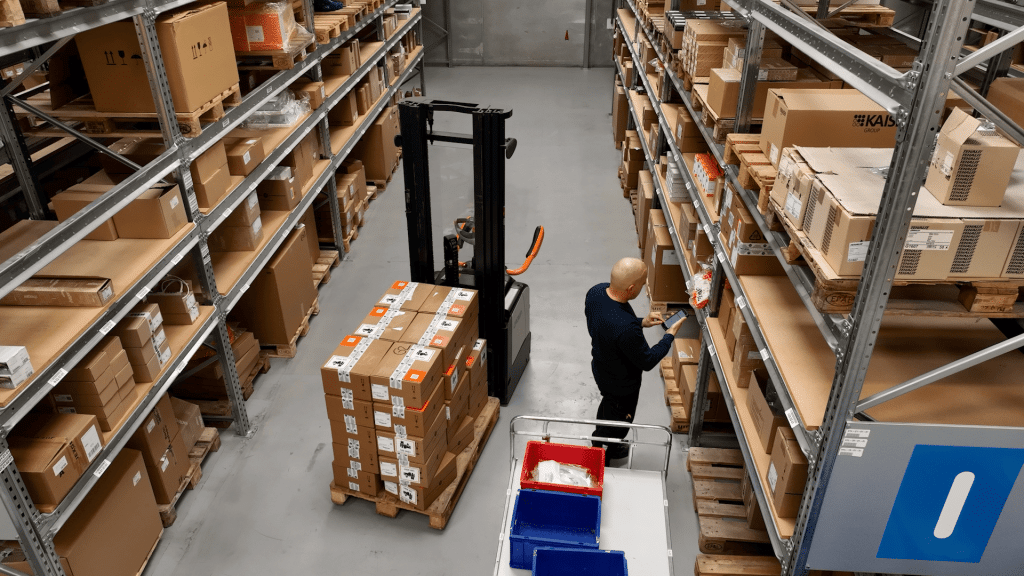
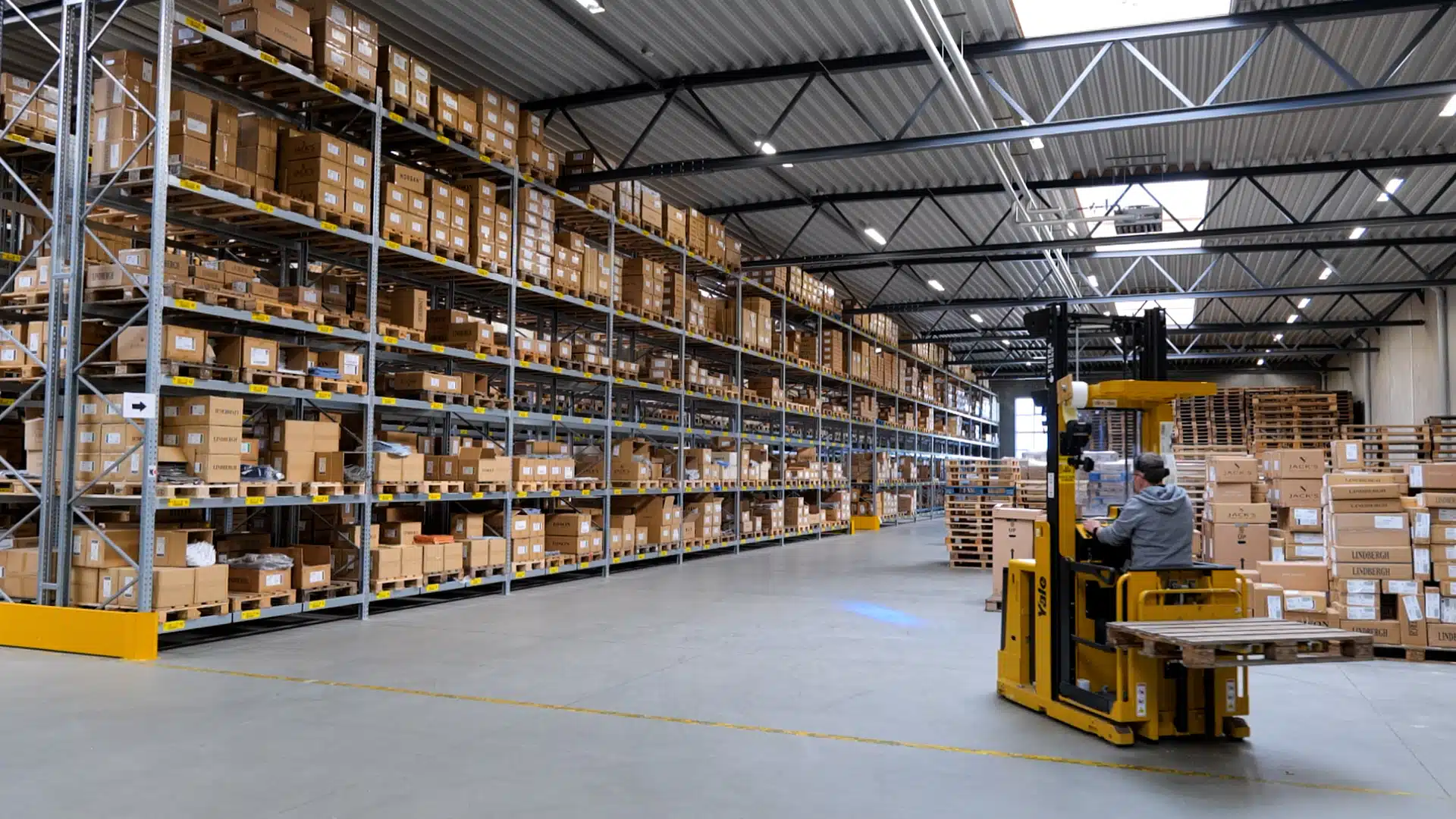
One of the first steps to reducing your operational costs is optimizing the physical warehouse space. This may involve rearranging the warehouse to maximize space utilization and minimize the time it takes to locate and pick items. Consider implementing a Warehouse Management System (WMS) that can help organize products more efficiently.

Storage Methods and Technology

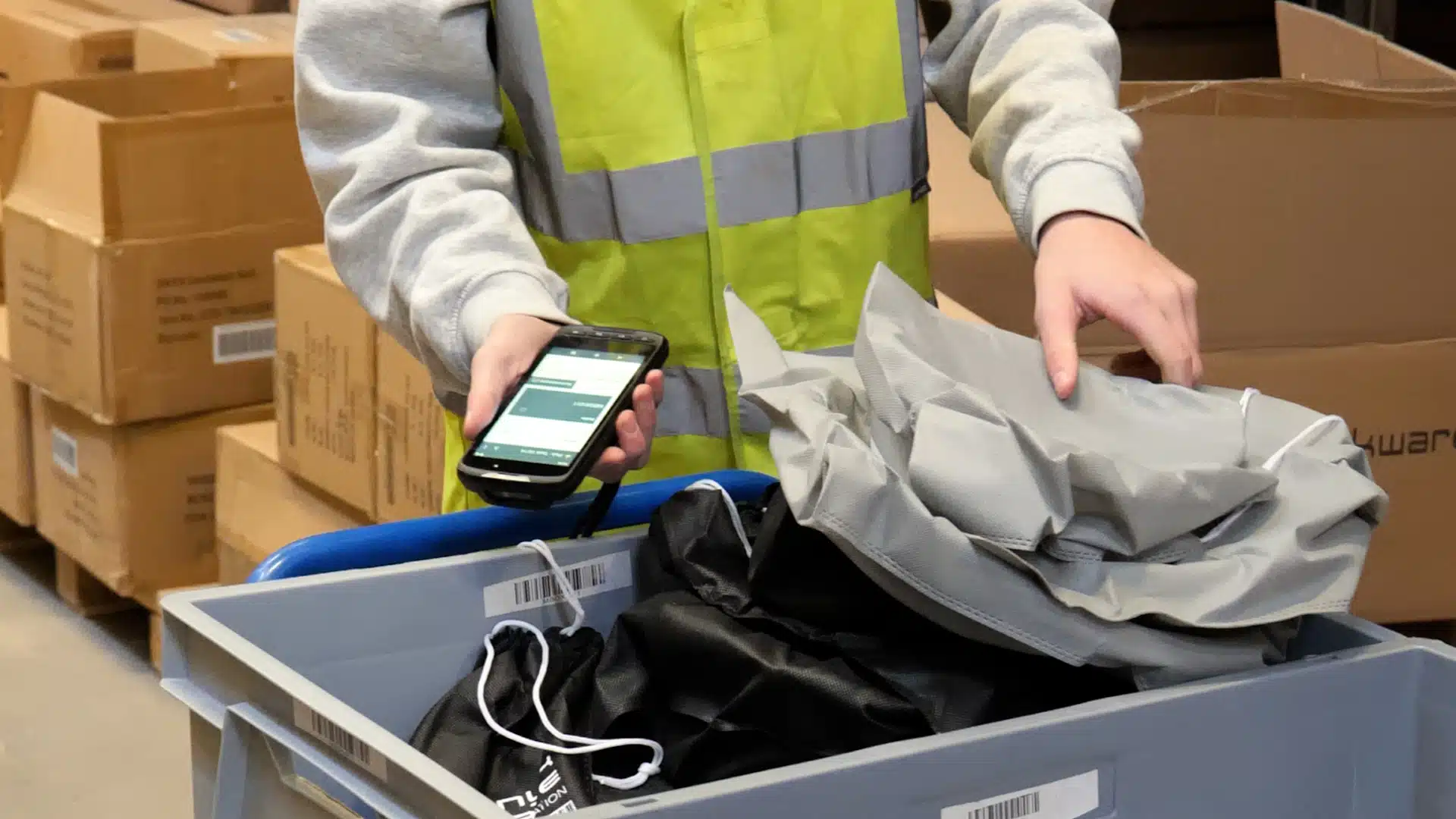
Using technology can make a significant difference in warehouse management. By employing automated systems such as barcode or RFID technology, you can save time and reduce human errors. Consider also investing in technology that can help analyze warehouse data to identify inefficiencies.

Efficient Picking and Packing

Picking and packing are often the most time-consuming processes in warehouse management. By streamlining these processes, you can reduce labor costs and increase the speed of orders leaving the warehouse. Implement techniques such as batch picking or zone picking to improve efficiency. It may also be advantageous to consider partial order delivery, especially if some items are delayed or out of stock.

Automation and Workforce

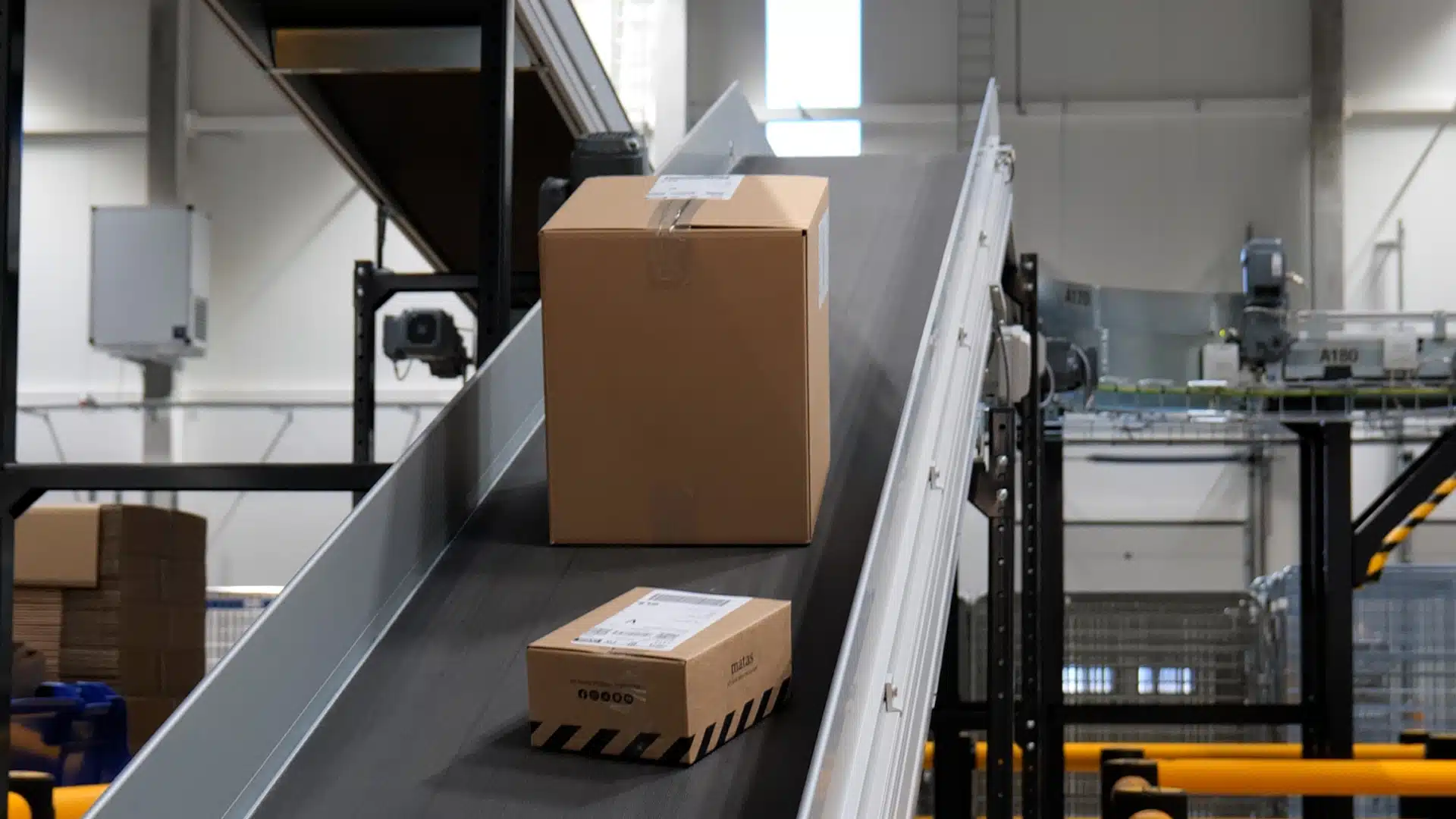
Consider where automation can complement the human workforce to achieve maximum efficiency. Automation can handle repetitive tasks, freeing up employees for more complex tasks that require human intervention. This can improve both employee morale and reduce errors.

Improved Supplier Management

Effective warehouse management often starts with having good relationships with your suppliers. By working more closely with suppliers, you can ensure faster delivery times and better inventory levels, which in turn reduces operational costs. A good relationship with suppliers can also lead to better negotiation positions and thereby lower costs.

Data Analysis and Forecasting

By using data analysis, you can gain insights into warehouse movements and customer preferences, which can help predict future needs more accurately. This allows you to adjust inventory levels according to demand and reduce excess inventory that can tie up capital.

The Customer's Role in Warehouse Management

By understanding customer behavior, you can adjust warehouse strategies to meet their needs. This can include faster delivery options or easier returns. By putting the customer at the center, you can create more efficient warehouse management that not only reduces costs but also increases customer satisfaction.

How to Implement Changes?

Implementing these changes requires thorough planning and often a cultural change within the company. Start by identifying the areas with the greatest potential for improvement and create a prioritized action plan. Involve employees in the process to ensure that everyone is on the same page and aware of the benefits the changes will bring.

Training and Development

Employee training is crucial to ensure that everyone understands the new processes and technologies. Consider ongoing education and upskilling of staff to ensure they are familiar with the latest warehouse technologies and methods.

Conclusion: Get Ready to Scale Your Warehouse

By optimizing warehouse management, you can achieve significant savings in operational costs. Through effective space utilization, process automation, improved supplier management, and a focus on customer needs, you can not only reduce costs but also improve service levels. For more information on how to improve your warehouse management, visit our page on WMS for e-commerce.

The Future of Warehouse Management

With technological advancements, there are constant changes in how we handle warehouse operations. The future of warehouse management will likely include even more advanced automation systems, AI-driven analytics, and robotics that can perform tasks that previously required human intervention.

Flexible Working Methods

As technology evolves, it also becomes possible to implement more flexible working methods in the warehouse. This can include varying work hours, remote monitoring of inventory, and online collaboration tools that connect employees across locations.

Sustainable Solutions

Sustainability is becoming an increasingly important part of warehouse management. Companies are looking for ways to reduce their environmental footprint, which can include using recyclable materials for packaging, investing in energy-saving technology, and optimizing transportation to reduce CO2 emissions.

The Importance of Feedback

Feedback is essential for continuous improvement in warehouse management. Regularly seek feedback from employees and customers to identify areas for further optimization.

Ready to start optimizing your warehouse operations? Get in touch with us today!

Share post:

Want to learn more about Warehouse Management Systems?

Need help figuring out whether a warehouse management system is the right fit for your business? You’re always welcome to get in touch – and together we’ll find the best solution for your needs.

Picture of Christian Mikkelsen
Christian Mikkelsen

CCO, Apport Systems

E: [email protected]
T: +45 4177 6304

Picture of Christian Mikkelsen
Christian Mikkelsen

CCO, Apport Systems

E: [email protected]
T: +45 4177 6304