
From Automated Storage to Full Warehouse Robotization
16/09/2026

Carsten
COO, Apport Systems
How can robotics improve your warehouse?
Want to make your warehouse more efficient with robotics? See how robotics can optimise processes, reduce errors and support growth. For companies in retail, wholesale, manufacturing and service, robotics can be a natural next step when parts of warehouse operations are already automated. In this article, we look at what warehouse robotics involves, how to prepare your warehouse, and how effective integration with warehouse automation can ensure smooth interaction between existing systems and new technology.
- Robotter øger lagerets effektivitet.
- Automatisering reducerer menneskelige fejl.
- Dataoptimering er afgørende for robotter.
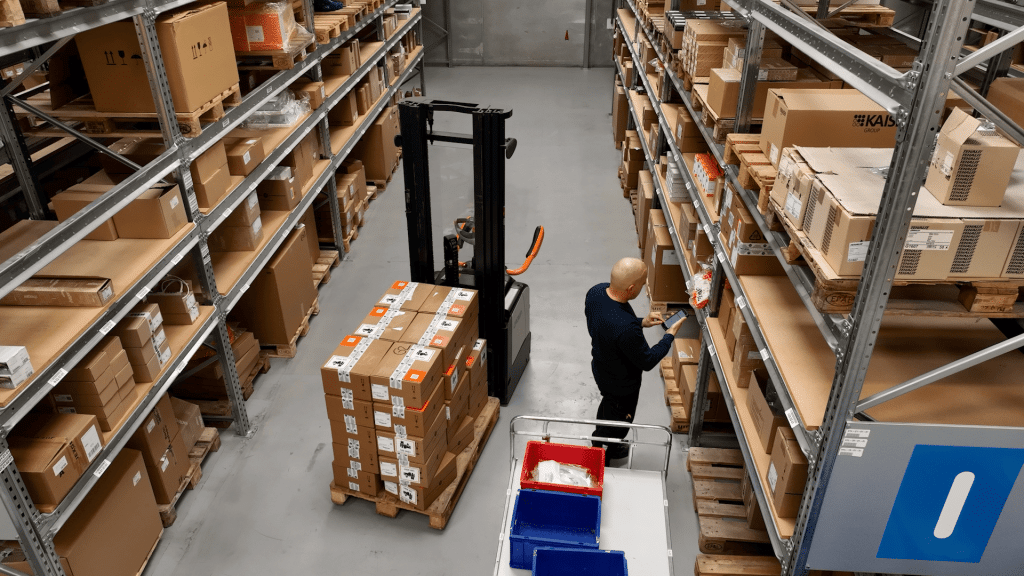
What is Warehouse Robotization?
Warehouse robotization refers to the implementation of robots and automated systems that can handle warehouse operations with minimal human intervention. This includes everything from picking and packing to transporting and sorting goods. The goal is to create a warehouse that is more efficient, accurate, and capable of handling a larger volume of orders without significantly increasing costs.
Preparation for Robotization
Before you can transition from automated storage to full robotization, it's essential to have the right processes and data in place. To ensure a smooth integration, companies should consider the following:
- Evaluation of Current Systems: Analyze your current warehouse management systems (WMS) and see how they can be integrated with robotic technology. Check our guide to automated storage integration.
- Data Analysis and Optimization: Ensure your data is accurate and up-to-date, as this will be crucial for successful robotic management.
- Process Optimization: Review and optimize your current processes to ensure they are as efficient as possible before robots become part of the equation.
Benefits of Full Robotization
Full robotization of the warehouse can bring several benefits:
- Increased Efficiency: Robots can work continuously without breaks, increasing productivity.
- Reduced Errors: Automated systems minimize the risk of human errors.
- Scalability: Robots can easily adapt to handle larger volumes without the need for additional manpower.
Implementation of Robotic Technology
Once you have prepared your warehouse, the next step is to implement the technology. This requires:
- Selection of the Right Robots: Consider which type of robots best suit your needs, such as picking robots or transport robots.
- Integration with Existing Systems: Ensure that the new systems can work together with your current WMS solutions. See how you can prepare your warehouse for major events like Black Friday.
- Training of Personnel: Although robots will take over many tasks, it is important that employees are trained to work with and maintain the new systems.
Overcoming Challenges
While robotization brings many benefits, there are also challenges that companies should be aware of:
- Initial Costs: The investment in robots and automation technology can be high, but it is important to see this as a long-term investment.
- Technological Dependence: With increased automation, companies become more dependent on technology, which requires robust support and maintenance.
- Change Management: The implementation of new technology can face resistance from staff, so effective change management is necessary.
- Robotteknologi kræver initial investering.
- Træning hjælper personale med robotter.
- Automatisering kan mindske ressourceaffald.

Examples of Successful Robotization
Several companies have already made the leap to full robotization and have seen significant improvements in their warehouse operations. One example is a large retail chain that implemented picking robots to handle increased online orders. The result was a 40% reduction in picking time, leading to faster delivery times and improved customer satisfaction.
Case Study: Automated Warehouse Management in Practice
Another company in the pharmaceutical industry utilized automated transport systems to move goods between different sections of their warehouse. This not only reduced transport time but also the risk of damage to goods, as the robots could navigate precisely through complex warehouse layouts.
The Future of Warehouse Robotization
With rapid technological development, the future of warehouse robotization is both exciting and challenging. We can expect artificial intelligence and machine learning to play a larger role in optimizing warehouse processes. Robots will become more intelligent and capable of making decisions based on complex datasets, further enhancing warehouse performance.
Environmental Benefits of Robotization
Robotization can also have positive environmental impacts. Optimized routes and fewer errors mean less resource waste, and energy-efficient robots can reduce overall energy consumption. This is an important consideration for companies looking to reduce their carbon footprint and operate more sustainably.
Conclusion
The transition from automated storage to full warehouse robotization requires careful planning and evaluation. By understanding the necessary processes and preparing your warehouse correctly, your company can benefit from increased efficiency, reduced errors, and better scalability. For those already with automated processes, the next step towards full robotization is within reach. For further information on starting with WMS warehouse management, you can read our article on transitioning from manual to WMS warehouse management.
FAQ
Del indlæg:

Christian Mikkelsen
CCO, Apport Systems
Har du brug for hjælp til at vurdere hvorvidt et lagerstyringssystem er det rigtige for din virksomhed? Du er altid velkommen til at kontakte mig, så vi sammen kan finde frem til den bedste løsning for din virksomhed.
Har du læst disse blogindlæg?

Warehouse Management Software or ERP System?
Has your warehouse outgrown spreadsheets and older systems? Are you considering implementing warehouse management software but unsure whether to…

