ERP and WMS in goods receipt with discrepancies
Last updated
16/10/2026

Carsten
COO, Apport Systems
How can discrepancies in goods receiving be handled efficiently?
Discrepancies during goods receiving can create challenges in warehouse operations. By integrating ERP and WMS, you can detect errors earlier, manage discrepancies efficiently and gain better control over goods receiving.
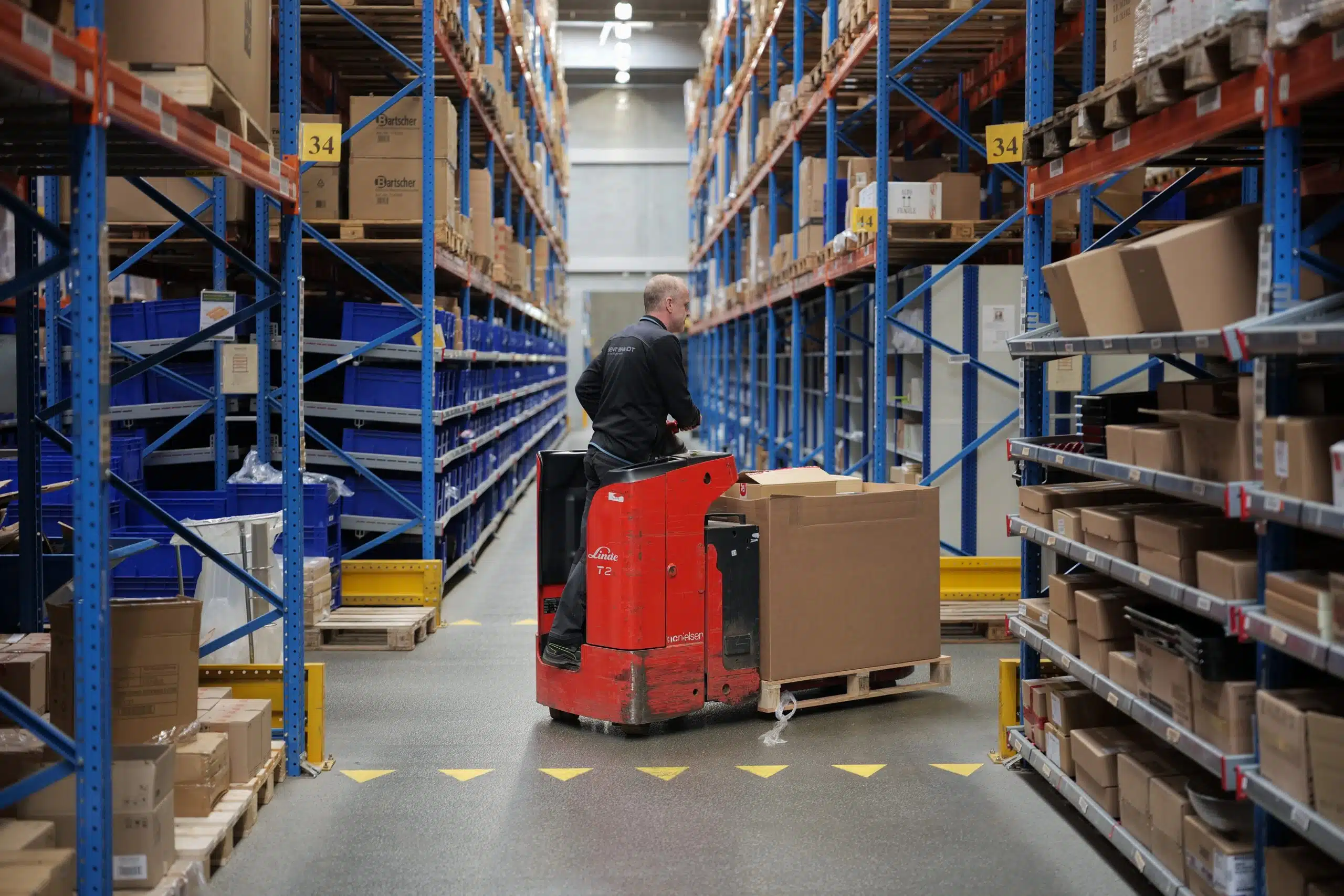
When goods arrive, there may be differences between the expected and actual quantities delivered. Goods may also be damaged or incorrectly delivered. This is where ERP and WMS need to work together to ensure that discrepancies are recorded correctly and inventory levels are continuously updated.
How ERP and WMS support goods receiving
ERP (Enterprise Resource Planning) and WMS (Warehouse Management System) serve different but complementary functions in warehouse management. The ERP system handles purchase orders, supplier information and financial data, among other things, while WMS supports practical warehouse tasks, including goods receiving, registration and putaway.
When the systems are integrated, information about expected deliveries can be transferred from ERP to WMS. During goods receiving, warehouse employees can check the delivered goods and record any discrepancies directly in WMS. This information can then be sent back to ERP, ensuring that both systems work with up-to-date data.
This provides better visibility into goods receiving and reduces the need for manual data entry. It also makes it easier to identify and address errors before they affect other warehouse operations.
For companies handling many daily deliveries or requiring special goods handling procedures, integration can make a significant difference. For example, a trading company experiencing major seasonal fluctuations can use ERP to plan purchasing and WMS to ensure a structured goods receiving process. If discrepancies occur in deliveries, they can be recorded immediately, allowing the company to decide more quickly how to handle them.
Did you know
- ERP predicts inventory needs.
- WMS manages goods receipt.
- Integration quickly reduces errors.
Effective handling of discrepancies and communication
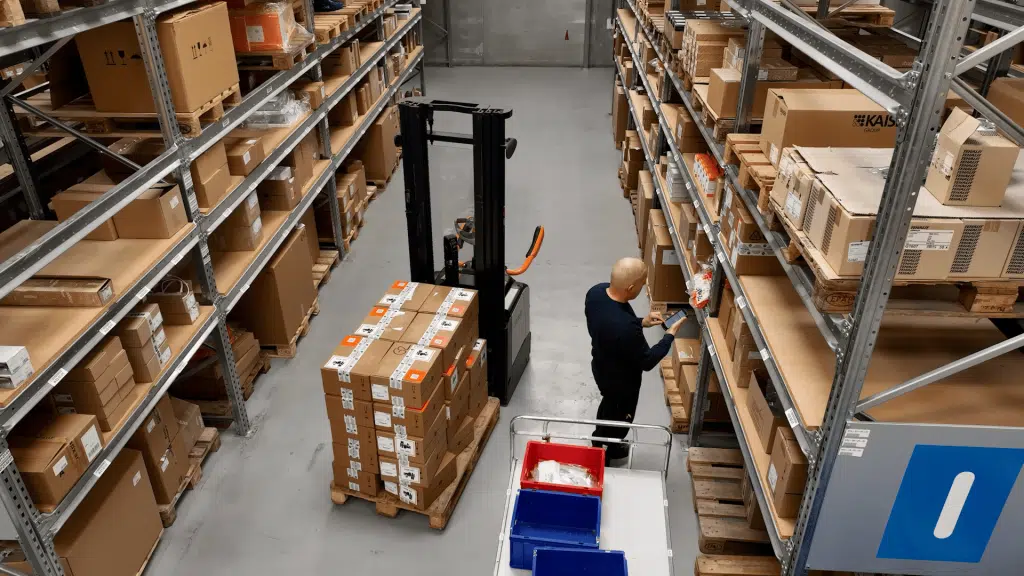
Discrepancies can occur for many reasons, such as incorrect quantities of goods, damaged products, or wrong items. A well-integrated ERP and WMS solution can identify these discrepancies quickly and accurately. By comparing actual receipts with purchase orders, the system can automatically alert warehouse staff to discrepancies.
When discrepancies are identified, a quick and accurate response is crucial to minimize disruptions in warehouse operations. This can be achieved by having clear procedures for how discrepancies should be handled and who is responsible. Additionally, using technology such as automatic alerts and reports can help monitor inventory status in real-time, making it easier to detect and respond to issues immediately.
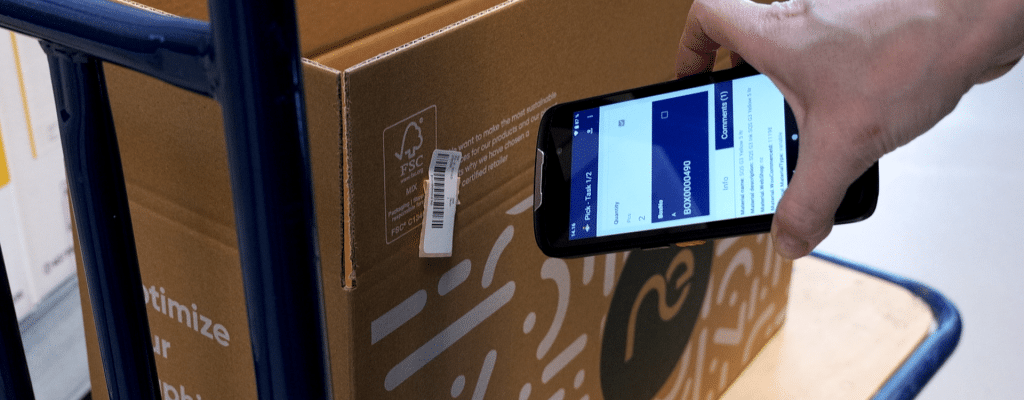
By applying technologies such as scanning and RFID, warehouse staff can record goods in real-time, minimizing the risk of errors. These data can be instantly updated in the ERP system, creating an accurate inventory status. This not only ensures that the warehouse has the correct products but also that the company can quickly respond to any discrepancies.
To handle discrepancies effectively, it is crucial to have good communication between ERP and WMS. When a discrepancy is detected, the information must be immediately transferred to the relevant systems to update inventory status and financial reports. Read more about ERP and WMS with clear roles in warehouse management to understand the importance of effective system communication.
An effective communication strategy could involve setting up automatic notifications that alert relevant employees and systems about discrepancies in real-time. For example, if a product is received in the wrong quantity, the system would immediately update inventory status and financial reports while sending an alert to the warehouse manager. This ensures that corrective actions can be promptly implemented, minimizing potential disruptions in the supply chain.
Benefits and scalability of integrated solutions
An integrated ERP and WMS solution can provide many benefits. Firstly, it can reduce errors and improve inventory accuracy. Secondly, it can offer better real-time visibility of inventory levels. This is particularly important for companies dealing with fast-moving goods such as food or FMCG products.
An integrated solution can also improve a company’s ability to adapt to changes in the market and customer needs. By having a clear understanding of inventory levels, companies can better manage their resources and optimize inventory turnover. This is especially important in industries with rapid product life cycles, where quick adaptation can be crucial for success.
By integrating ERP and WMS, companies can achieve more efficient warehouse management. The systems can work together to optimize storage space, prioritize orders, and reduce picking errors. This not only increases efficiency but also improves customer satisfaction, as deliveries become more accurate.
For growing companies, it is important to have a system that can scale with the company’s needs. An integrated ERP and WMS solution can be adapted as inventory needs change. This ensures that the company always has the necessary infrastructure to support its operations. Read more about WMS warehouse management in growth companies to gain insight into how to create a warehouse that can keep up.
A concrete benefit of an integrated solution can be improved inventory rotation. By having a clear overview of inventory levels, companies can better plan purchases and shipments. For example, a company selling perishable goods can use real-time data to ensure that older products are prioritized for sale, minimizing waste and optimizing inventory turnover. Another advantage is the ability to adapt to growth without major system changes, saving both time and costs.
Did you know
- Real-time data ensures accuracy.
- Automatic notifications alert staff.
- Trained staff reduce human errors.
Implementation of best practices and maintenance
To get the most out of an ERP and WMS integration, it is important to implement best practices throughout the organization. This includes training staff in the systems, ensuring proper data entry, and maintaining regular system maintenance. By following these guidelines, companies can minimize the risk of discrepancies and improve their overall warehouse management.
Ensuring that staff are well-trained in the use of ERP and WMS is crucial. Warehouse staff must understand how the systems work and how they can best be used to handle discrepancies. This will not only increase efficiency but also reduce the risk of human error.
Staff training should focus on both the technical aspects of the systems and the overall understanding of how they contribute to the company’s efficiency. By ensuring that all employees are familiar with the systems’ functions and integration, companies can create a more collaborative work environment where everyone works towards common goals of efficiency and accuracy.
Regular maintenance and updating of the systems are also important. This ensures that the systems continue to function optimally and that any errors or discrepancies can be corrected quickly. Read more about WMS integration with ERP, webshop, and shipping to understand the challenges of system integration.
Ongoing system maintenance is not only important for ensuring system functionality but also for protecting against potential security risks. Regular updates can prevent the system from becoming outdated and ensure that it can handle new challenges and demands from the business. This is especially important in a time when technological advances are happening rapidly, and the requirements for warehouse management are constantly changing.
To ensure that the systems continue to meet the company’s needs, ongoing evaluation of the system’s performance and effectiveness can be part of the maintenance routine. This can include regular meetings between IT and warehouse staff to discuss any issues and opportunities for improvement. Such an approach ensures that the systems are constantly improved and adapted to changing business needs and technological advancements.
Conclusion
An effective integration of ERP and WMS in goods receipt can make a significant difference for companies with complex warehouse operations. By understanding how these systems can work together, companies can reduce discrepancies, improve warehouse management, and increase efficiency. By implementing best practices and ensuring that staff are well-trained, companies can ensure that their warehouse management is robust and reliable.
Overall, this article highlights the importance of an effective integration between ERP and WMS to optimize warehouse management and handle discrepancies quickly and accurately. By combining technology with clear procedures and well-trained staff, companies can achieve significant improvements in efficiency and accuracy. However, it is important to remember that a successful implementation requires ongoing maintenance and adaptation to changes in both the market and technology.
FAQ
How does ERP help in inventory management?
ERP systems help plan and predict inventory needs to ensure efficient warehouse management.
What role does WMS play in warehouse management?
WMS focuses on daily operations such as receiving, picking, and shipping of goods.
How does integration reduce warehouse errors?
Integration between ERP and WMS ensures smooth data flow, minimizing the risk of errors.
How do real-time data improve inventory status?
Real-time data updates the ERP system quickly, ensuring accurate inventory status.
How are discrepancies handled efficiently?
Clear procedures and technology like automatic alerts help in quickly responding to discrepancies.
How are staff alerted about discrepancies?
Automatic notifications alert relevant employees about discrepancies in real-time.
How does training reduce errors?
Well-trained employees understand system functions, minimizing human errors and increasing efficiency.
What role do scanning and RFID play?
Scanning and RFID record goods in real-time, minimizing the risk of errors.
How do integrated systems support growth?
Integrated ERP and WMS solutions can scale to adapt to changing inventory needs.
Why is maintenance important for systems?
Regular maintenance ensures systems function optimally and handle new challenges effectively.
Del indlæg:

Christian Mikkelsen
CCO, Apport Systems
Do you need help assessing whether a warehouse management system is right for your business? You are always welcome to contact me so that together we can find the best solution for your business.