How Can ERP Enhance Inventory Management?
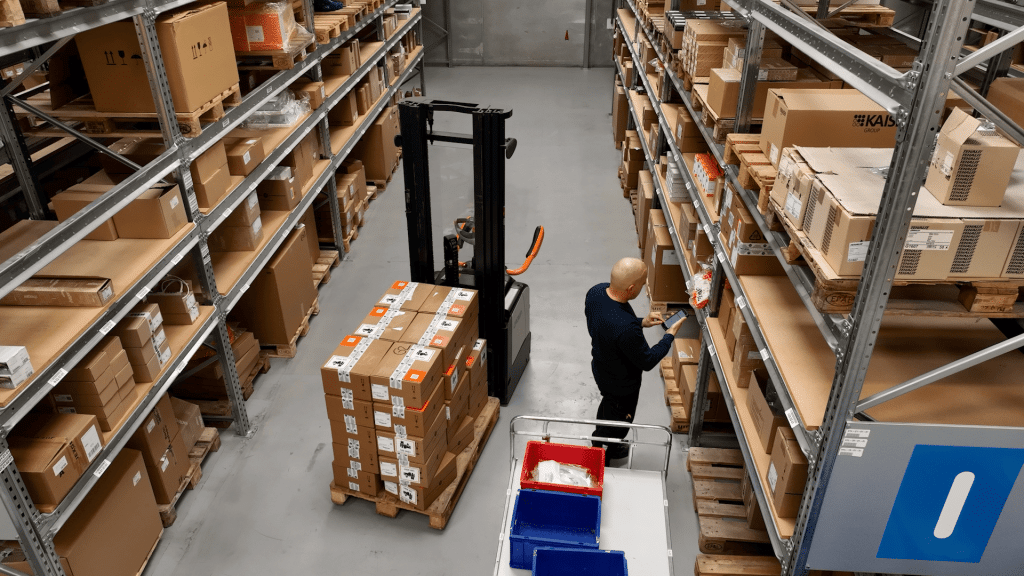
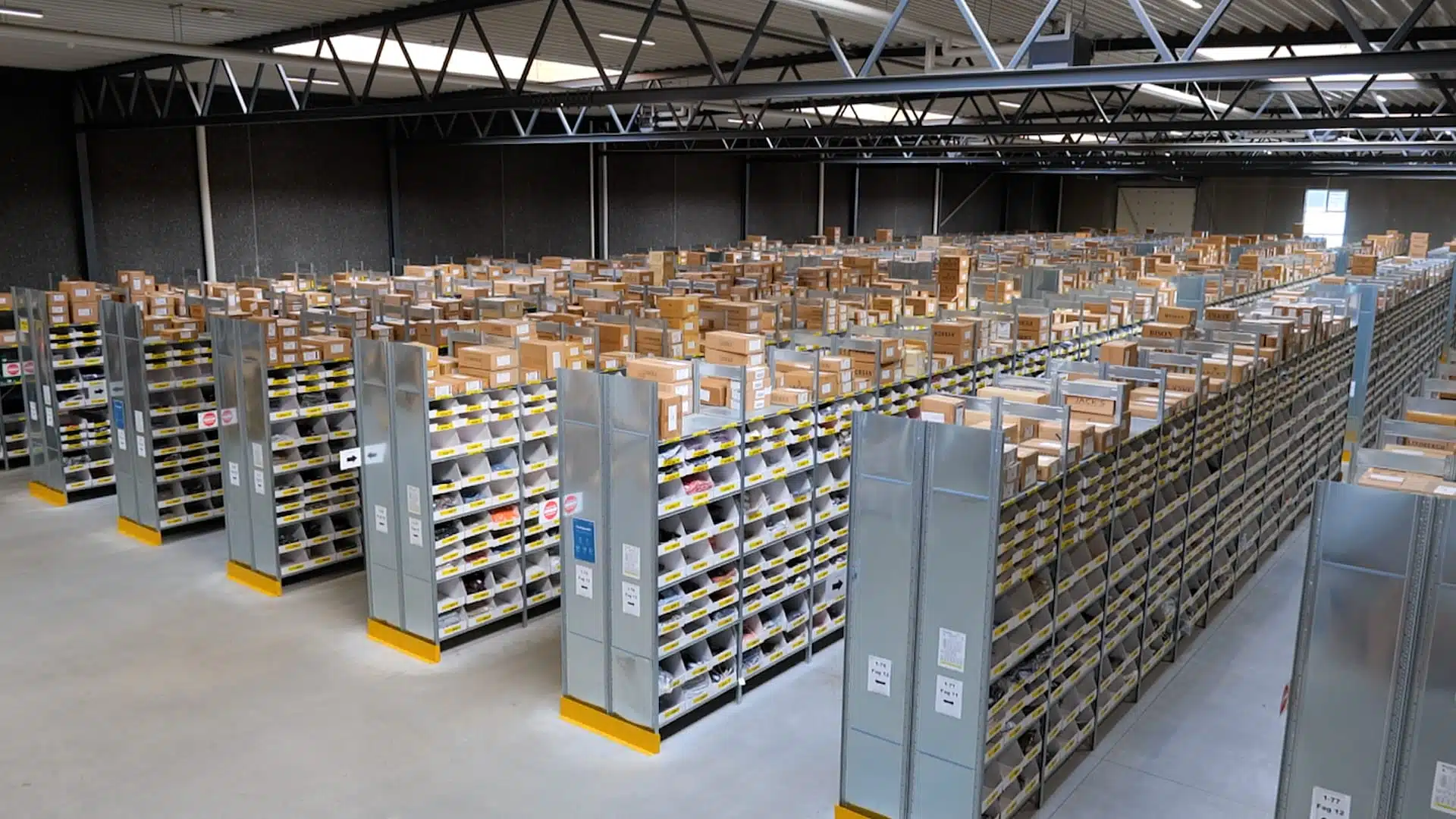
Do you want better warehouse visibility? See how integrating ERP and warehouse management can support more efficient operations.
For businesses that have outgrown spreadsheets or older systems, an ERP system can be a gamechanger. ERP offers a centralized platform that not only manages inventory but also integrates with other business processes. This allows for real-time data and increased visibility throughout the supply chain.
Benefits of Integrating ERP with Inventory Management
One of the greatest benefits of integrating ERP with inventory management is data integration. It ensures that all data, from procurement to sales, is consolidated in one place. This improves decision-making processes and reduces the risk of errors that can occur with manual data entry.
Effective inventory management can also reduce waste and ensure stock levels are optimized. By using ERP systems, businesses can anticipate needs and adjust purchasing based on historical data and analysis.
Importance of Integration for Wholesale and Manufacturing Companies
For wholesale and manufacturing companies, the integration between ERP and inventory management is crucial for maintaining stable operations. It allows for better inventory control, minimizing both excess and shortages, which can have a negative financial impact.
By leveraging this integration, companies can also achieve more efficient order processing. This is particularly important in a time when customer expectations for fast delivery are high. Learn more about effective inventory management here:
Effective Inventory Management.
Data Analysis and Inventory Management
Data analysis plays a critical role in modern inventory management. With an ERP system, businesses can analyze large amounts of data to identify patterns and trends. This can help optimize inventory levels and improve supply chain efficiency.
To maximize the benefits of data analysis, it is important to have a solid foundation of accurate and up-to-date data. This is ensured by integrating ERP systems, which reduce the risk of human error and ensure decisions are made based on correct information.
Challenges of ERP Integration
While the benefits of ERP integration are clear, there are also challenges. Implementation can be complex and often requires customization to ensure the system fits the specific needs of the business. Additionally, the costs of implementation and maintenance can be significant.
It is essential for businesses to have a clear understanding of their needs and processes before choosing an ERP solution. Collaborating with experienced providers can minimize risks and ensure a smooth transition. Understand how realistic ROI calculations can make investments more effective:
Effective Investments.
The Future of Integration
With rapid technological advancements, ERP and inventory management systems face an exciting future. Artificial intelligence (AI) and automation are expected to play a larger role, further optimizing processes and reducing costs. Read about the future of inventory management here:
The Future of Inventory Management.
However, it is important to remember that successful integration is not only about technology but also about human factors. Changes in processes and culture are necessary to fully leverage potential.
ERP and Sustainability
An often overlooked benefit of ERP integration is its potential to promote sustainability. By optimizing inventory management and reducing waste, businesses can lessen their environmental impact. For example, accurate forecasting and efficient inventory handling can reduce the need for emergency deliveries, thereby reducing CO2 emissions from transportation.
ERP systems can also support sustainability initiatives by providing better oversight of resource consumption and identifying areas for improvement. This can lead to more responsible management of both goods and energy.
ERP Implementation Strategies
The key to successful ERP implementation lies in thorough planning and a phased approach. It is important to involve all relevant stakeholders from the beginning to ensure the system meets the organization’s needs. A phased approach can help minimize disruptions to the company’s daily operations.
Moreover, companies should invest in employee training to maximize the system’s potential. Proper training ensures that users are familiar with the system and can fully utilize its functionalities, ultimately leading to more efficient operations.
Customization and Flexibility
Modern ERP systems often offer a high degree of customization, allowing businesses to tailor solutions to their specific needs. This flexibility is essential as it enables organizations to respond quickly to changes in the market or internal processes.
Flexible systems also make it easier to integrate with other technologies and platforms, which can be crucial in a world where new technologies are constantly evolving. By choosing an adaptable ERP system, we ensure