
Efficient Warehouse and Logistics Start with the Right Processes
14/04/2026

Christian
CCO, Apport Systems
Introduction to Efficient Warehouse and Logistics
For many small e-commerce businesses, warehouse and logistics can seem like an overwhelming task. However, it is essential to understand that the right processes can make a significant difference in your company’s efficiency and success. This article will guide you through the basic steps so you can optimize your warehouse and logistics without drowning in complex jargon.
Why are the Right Processes Important?
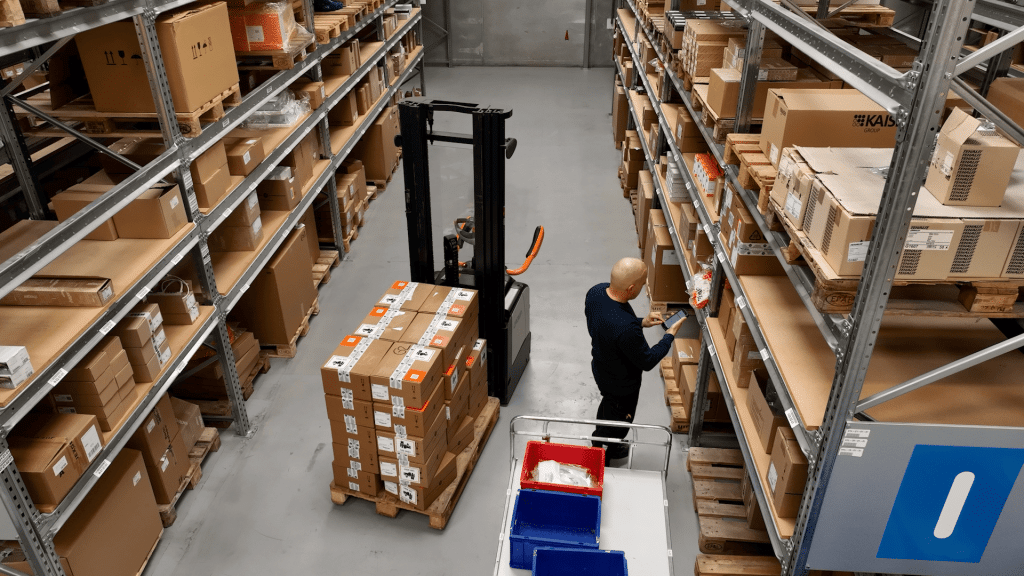
Effective warehouse and logistics processes ensure that your products reach customers quickly and without errors. This is not only important for customer satisfaction but also for your company's bottom line. An efficient process can reduce costs, minimize errors, and improve overall productivity.
Step 1: Overview and Organization of the Warehouse
The first step towards an efficient warehouse is to create a good overview. This can be achieved by categorizing your products and placing them logically and systematically. For example, you can organize your items based on popularity, weight, or frequency of purchase. It might be a good idea to read this article on warehouse adaptation to gain more insight into how to tailor your warehouse to your needs.
Step 2: Implementation of Technology
Technology can be a great help when it comes to warehouse management. A warehouse management system (WMS) can automate many of your warehouse processes and provide you with a better overview of inventory. Consider investing in a WMS that suits the size and needs of your business.
How Technology Can Improve Your Logistics
By integrating technology into your logistics processes, you can improve the speed and accuracy of your deliveries. For example, tracking systems can help you follow packages in real-time, reducing the risk of lost shipments and increasing customer trust in your business.
Step 3: Training and Development of Staff
Your employees are a crucial part of your warehouse and logistics. Ensure they are well-trained in the latest processes and technologies. Regular training can ensure they work efficiently and know how to handle any issues that arise.
Step 4: Continuous Evaluation and Improvement
It is important to regularly evaluate your processes to find areas that can be improved. This can include everything from warehouse layout to shipping methods. By making ongoing improvements, you can ensure that your business remains competitive. Read more about how to prepare your warehouse for big sales in this article.
External Resources and Further Reading
There are many external resources that can help you improve your warehouse and logistics processes. For example, you can check Supply Chain Digital, which offers a wide range of articles and guides for businesses of all sizes.

Final Thoughts and Next Steps
Starting with the right warehouse and logistics processes is a crucial step towards success for your e-commerce business. By following the steps outlined above, you will be well on your way to optimizing your company's operations. Remember, it is a continuous process, so be prepared to adapt and improve your methods as your business grows. For more inspiration, check this article on e-commerce success.
Want to know more about the future of warehouse management? Read this article on AI and automation in warehouse management.
If you're ready to take the next step towards more efficient warehouse management, contact us today for a free consultation!
Understanding the Customer's Journey
An important factor in optimizing warehouse and logistics is understanding the customer's journey. By analyzing the customer's interaction with your business from the first website visit to receiving the product, you can identify potential bottlenecks and improve the experience. This can include everything from optimizing the webshop's user interface to efficiently handling returns.
Step 5: Optimization of Packing Flow
The packing flow is a critical part of the logistics process where efficiency can have a significant impact on delivery times and customer satisfaction. Consider implementing automated packing lines or using advanced packaging technology that can reduce the time needed for each package. This not only helps reduce costs but also ensures that products arrive in perfect condition.
Step 6: Use of Data Analysis
Data analysis can play a large role in improving warehouse management and logistics. By collecting and analyzing data on sales, inventory movements, and customer behavior, you can make informed decisions that improve efficiency. Machine learning algorithms can also be used to predict demand and optimize inventory.
Environmental Sustainability in Logistics
A growing concern for many businesses is making their logistics more sustainable. This can include investing in electric delivery vehicles, using recyclable materials for packaging, or optimizing routes to reduce CO2 emissions. By making the logistics process more environmentally friendly, you can not only reduce costs but also improve your company's reputation.
By integrating these strategies and tools into your warehouse and logistics management, you can create a more efficient and sustainable business. Remember, constant evaluation and adaptation are key to success in this area. With the right methods and technologies in place, there are no limits to how far your business can reach in the e-commerce world.
Developing Partnerships for Improved Logistics
An often overlooked aspect of logistics is the development of strong partnerships with transport and supplier companies. By building good relationships with your partners, you can improve delivery speed, reduce costs, and increase flexibility in your supply chain. Good partnerships can also provide access to new markets and technologies that can drive further growth.
Step 7: Negotiating Contracts
To ensure the best terms with your logistics partners, it is important to have strong negotiation skills. This includes understanding market trends, competitive pricing, and your own needs. By negotiating advantageous contracts, you can achieve better prices, improved service levels, and more flexibility in your logistics operations.
Step 8: Integration of New Technologies
As technology evolves, it is important to be open to integrating new solutions that can improve your logistics. This can include everything from drones for delivery to Internet of Things (IoT) devices that can monitor warehouse conditions. By staying ahead of technological advancements, you can ensure that your logistics are as efficient and modern as possible.
Conclusion
Efficient warehouse and logistics are the foundation of any successful e-commerce business. By following the steps described in this article, you can optimize your processes, reduce costs, and improve customer satisfaction. Remember, the key to success is continuous improvement and adaptation to new challenges and technologies. With the right approach, your business can thrive in the competitive e-commerce world.
The Future of Logistics: Challenges and Opportunities
The logistics sector faces a range of challenges in the coming years, but also significant opportunities. Digital transformation, consumer behavior, and geopolitical changes are all affecting how logistics is conducted. To remain competitive, it is important to embrace innovation and adapt to changing conditions.
Step 9: Focus on Customized Delivery
One of the biggest trends in logistics is the shift towards more customized delivery options. This can include everything from flexible delivery times to choice of delivery locations. By offering tailored solutions, companies can achieve better customer satisfaction and differentiate themselves from competitors.
Step 10: Preparing for Unforeseen Events
Unforeseen events such as pandemics, natural disasters, or political changes can have a significant impact on logistics. It is important to develop contingency plans that can ensure the supply chain remains robust under such circumstances. This can include diversification of the supplier base or development of alternative transport routes.
Overall, a strategic approach to warehouse and logistics, which includes both short-term improvements and long-term planning, can help businesses navigate a complex and dynamic world. By focusing on both efficiency and innovation, companies can not only survive but also thrive in the future e-commerce landscape.
Share post:
Want to learn more about Warehouse Management Systems?
Need help figuring out whether a warehouse management system is the right fit for your business? You’re always welcome to get in touch – and together we’ll find the best solution for your needs.

Christian Mikkelsen
CCO, Apport Systems
E: [email protected]
T: +45 4177 6304
Christian Mikkelsen
CCO, Apport Systems
E: [email protected]
T: +45 4177 6304


