


Skip to content

Effective Warehouse Management Across Multiple Storage Zones

Effective Warehouse Management Across Multiple Storage Zones

05/09/2026
Picture of Christian
Christian

CCO, Apport Systems


How do you optimise warehouse management across multiple warehouse zones?

Do you have several warehouse zones to manage? See how warehouse management can improve visibility and make operations more efficient. When a warehouse is divided into multiple zones, it places greater demands on coordination and processes. In this article, we look at how a WMS can improve control, reduce errors and make work across warehouse zones more efficient.

Understanding Complex Storage Zones

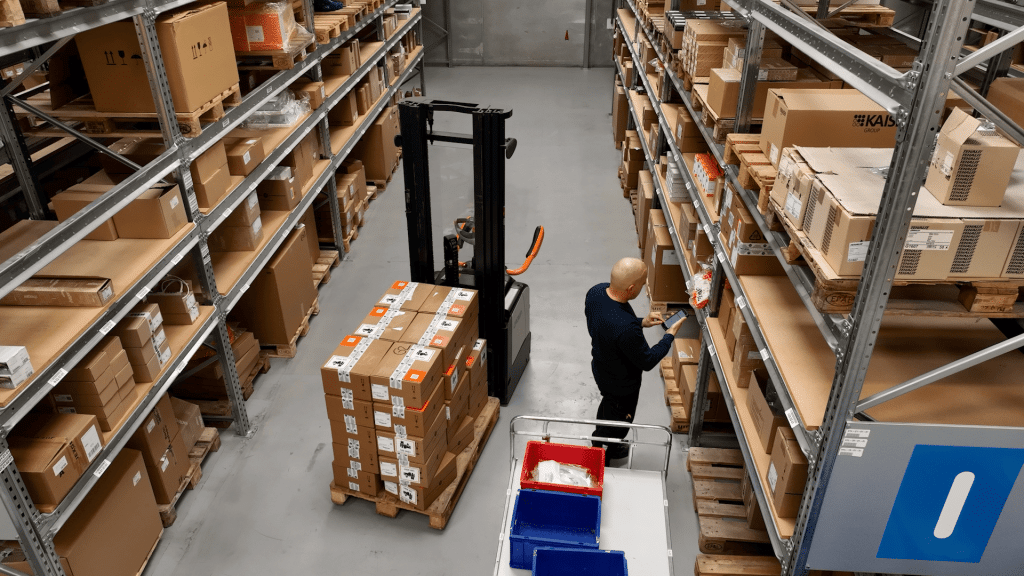
Complex warehouses often consist of multiple zones, each with its specific functions and requirements. These can include storage zones, picking zones, shipping areas, and receiving areas. Managing these requires a carefully planned strategy to avoid bottlenecks and delays.

Handling Special Handling and Exceptions

One of the biggest challenges in warehouse management in complex environments is the special handling of goods and exceptions. These can include fragile items, hazardous materials, or goods that require specific storage temperatures. By implementing a robust WMS, you can automate and streamline these processes, ensuring that all items are handled correctly.

Effective Strategies for Warehouse Management

To optimize warehouse management across multiple zones, it is important to have clear strategies. Here are some key points:

Using WMS for Better Overview

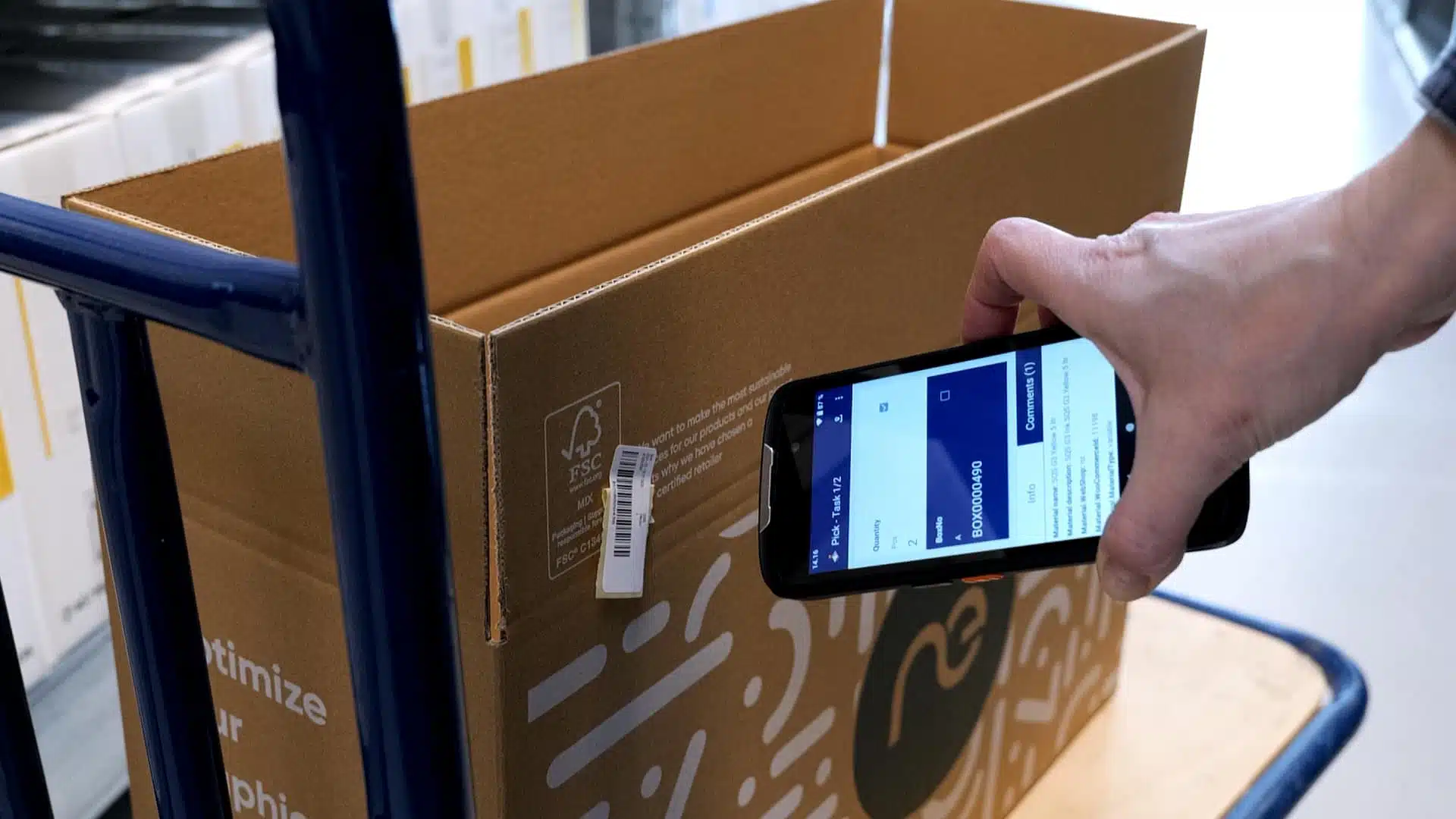
An effective WMS can provide you with the necessary real-time overview of inventory. This makes it easier to predict needs, allocate resources, and manage inventory movements. You can learn more about how WMS can transform your warehouse operations at the future of warehouse management.

Cross-Docking and Flow Optimization

Cross-docking is a method where received goods are sent directly to shipping without interim storage. This requires precise timing and coordination between zones but can dramatically reduce warehouse costs and speed up the delivery process.

Implementing Technology

Technology can play a significant role in improving warehouse management. By integrating modern technologies such as automation and advanced data analytics, significant improvements in efficiency and accuracy can be achieved.

Automation and AI

Automation can help reduce human errors and improve the speed of inventory movements. AI-driven systems can further optimize processes by predicting demand and suggesting the most efficient warehouse strategies. For more information on how automation can improve your warehouse management, read our article on ROI calculations.

Extended Use of Data and Analytics

Data analytics is becoming an increasingly important factor in warehouse management. By applying advanced analytics tools, companies can gain deeper insights into their warehouse operations, identify patterns, and have the ability to predict future needs.

Predictive Analytics for Warehouse Management

With predictive analytics, companies can leverage historical data to predict future trends. This can be particularly useful in inventory planning, supply chain optimization, and improving customer experience.

Integration with ERP Systems

To fully benefit from data analytics, companies should consider integrating their WMS with ERP systems. This ensures that all warehouse data is centralized and that there is a seamless flow of information between warehouse management and other business functions.

Focus on Employee Training and Development

While technology and data are essential, well-trained employees are also a key component in effective warehouse management. Investing in employee training ensures that staff are familiar with the latest systems and processes.

Training Programs for Warehouse Staff

Developing comprehensive training programs can help employees become more effective and reduce errors. This includes instruction in the use of WMS, safety training, and optimizing work processes.

Leveraging Feedback from Employees

Employees on the floor often have the best insights into how processes can be improved. Creating a culture where employees can provide feedback and suggestions can lead to significant improvements in warehouse management.

Summary

Effective warehouse management across multiple storage zones requires a holistic approach that combines technology, strategy, and human resources. By implementing an effective WMS, leveraging automation, and focusing on strategic flow optimization, companies can achieve significant improvements in their warehouse operations. If you are looking to further improve your warehouse management, you can explore our article on effective warehouse management and how it can solve major challenges in e-commerce.  

Share post:

Want to learn more about Warehouse Management Systems?

Need help figuring out whether a warehouse management system is the right fit for your business? You’re always welcome to get in touch – and together we’ll find the best solution for your needs.

Picture of Christian Mikkelsen
Christian Mikkelsen

CCO, Apport Systems

E: [email protected]
T: +45 4177 6304

Picture of Christian Mikkelsen
Christian Mikkelsen

CCO, Apport Systems

E: [email protected]
T: +45 4177 6304

Did you read one of these blogposts?