
Effective Warehouse Logistics Starts with Overview, Structure, and Data
01/04/2026

Christian
CCO, Apport Systems
Introduction to Warehouse Logistics
Effective warehouse logistics is at the core of any successful e-commerce business. For small warehouses experiencing an increased need for structure, getting the warehouse organized can seem like an overwhelming task. Warehouse logistics involves organizing, managing, and optimizing warehouse processes to ensure efficient workflow. In this article, we will delve into how you can achieve overview, structure, and data in your warehouse.
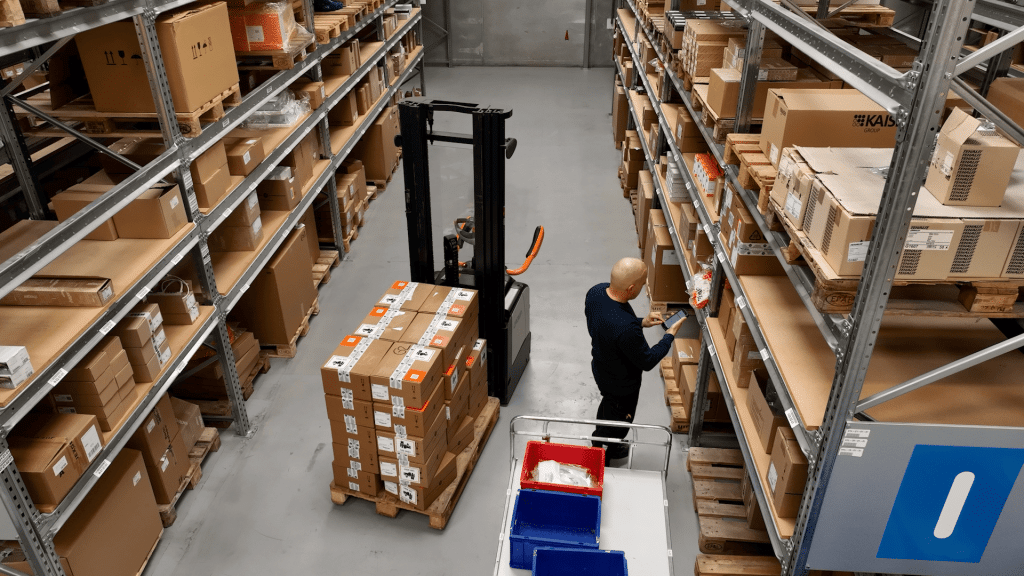
Overview: The First Step Towards Efficient Warehouse Management
The first step in improving your warehouse logistics is to gain a clear overview of your warehouse. This involves knowing every item in stock and understanding how these items move through the warehouse. A good overview ensures that you can make informed decisions and quickly identify any issues.
To achieve this overview, you might consider implementing a Warehouse Management System (WMS). A WMS can help track items in real-time, providing you with an accurate understanding of inventory. If you want to read more about the benefits of integrating a WMS into your business, valuable information can be found in this article on WMS.
Organizing the Warehouse
An effective way to gain an overview is by systematically organizing the warehouse. This can be achieved by categorizing items and dividing the warehouse into different zones based on items that are often purchased together or have similar storage requirements. A well-organized warehouse reduces the time spent on picking and packing, improving overall efficiency.
Structure: The Foundation for Efficient Warehouse Logistics
Once you have an overview, the next step is to create a solid structure. A structured approach to warehouse logistics involves establishing clear processes and procedures for all warehouse operations. This includes receiving goods, storage, picking, packing, and shipping.
Structure can also involve implementing automated processes that reduce manual effort and minimize errors. Automation can be a significant advantage, especially for small warehouses looking to scale their operations. For more insight into how automation can revolutionize warehouse management, you can read this article on the future of warehouse management.
Implementing Standard Procedures
Standardizing workflows is key to structured warehouse logistics. By having clear procedures, employees can perform their tasks more efficiently and with less margin for error. It is important to document these procedures and ensure that all employees are trained in them.
Data: The Key to Informed Decision Making
Data plays a central role in warehouse logistics. It involves collecting, analyzing, and utilizing data to improve warehouse performance. By understanding patterns in inventory, you can optimize storage space, predict demand, and improve customer satisfaction.
Data analysis tools can help visualize warehouse flow and identify bottlenecks. These tools make it easier to make strategic decisions and adapt the warehouse to changing needs. If you want to know more about how data can improve your warehouse logistics, we recommend reading our article on e-commerce and warehouse management.
Integrating Data into Daily Operations
It is not enough to collect data; it must also be integrated into daily operations. This can be achieved by using dashboards that provide a snapshot of the warehouse's status. Regular meetings where data is discussed can also help ensure that everyone in the organization is updated and working towards common goals.

Conclusion and Next Steps
For small warehouses facing increased demands for warehouse logistics, it is crucial to focus on overview, structure, and data. By implementing these elements, you can ensure a more efficient and scalable warehouse operation. If you want to learn more about how to prepare your warehouse for future challenges like Black Friday, you can read our article on Black Friday warehouse preparation.
Are you ready to take your warehouse logistics to the next level? Contact us today for a free consultation and find out how we can help you optimize your warehouse.
Future Trends in Warehouse Logistics
Warehouse logistics is constantly evolving, and it is important to stay updated with the latest trends and technologies. With the rapid technological development, we now see the emergence of robotics and artificial intelligence transforming the way warehouses operate.
Automation and Robotics
One of the most significant trends in warehouse logistics is automation. By using robots for picking and packing, companies can minimize human errors and increase efficiency. Automated warehouses can operate 24/7, which is a great advantage in a world where fast delivery has become a standard expectation.
Artificial Intelligence and Machine Learning
Artificial intelligence (AI) and machine learning play an increasing role in warehouse management. These technologies can predict demand, optimize inventory, and improve customer service. AI-driven analytics allow companies to adapt their warehouse strategies to changing market conditions.
Sustainability in Warehouse Logistics
Sustainability has become an important factor in modern warehouse management. Companies are looking for ways to reduce their environmental impact by implementing green initiatives such as energy-efficient storage solutions and reusable packaging materials. A sustainable warehouse practice can not only reduce costs but also enhance the company's reputation among environmentally conscious consumers.
Technological Innovation: The Path to the Warehouse of the Future
Developments in warehouse logistics are largely driven by technological innovation. The Internet of Things (IoT), blockchain, and advanced analytics tools are just some of the technologies revolutionizing the industry.
Internet of Things (IoT) in Warehouse Management
IoT devices can provide comprehensive real-time data, allowing companies to track inventory, locate items, and monitor warehouse conditions such as temperature and humidity. This level of control can prevent loss and improve the overall efficiency of the warehouse.
Blockchain Technology
Blockchain offers a secure and transparent way to manage supply chains. By using blockchain, companies can ensure the traceability and authenticity of products, which is crucial in industries such as food and pharmaceuticals.
The Future of Data Analytics
Advanced data analytics will continue to drive warehouse logistics. By leveraging big data, companies can predict trends, optimize inventory, and improve operational decisions. Future warehouses will rely on data to adapt to rapidly changing market conditions.
As technologies evolve, companies that embrace innovation will be able to achieve competitive advantages and ensure sustainable growth in a dynamic industry.
Human Resources and Warehouse Logistics
An often-overlooked factor in warehouse logistics is human resources. Effective management of employees is crucial for maintaining smooth operations. It is important to have a well-trained workforce that can adapt to new technologies and processes.
Training and Development
Regular training and development of employees ensure that they are updated with the latest procedures and technologies. Investing in employee education can lead to increased productivity and satisfaction, ultimately benefiting the entire organization.
Motivation and Engagement
Creating a work environment that promotes motivation and engagement among employees can have a positive impact on warehouse efficiency. By recognizing and rewarding employees' efforts, companies can retain talent and reduce turnover rates.
By focusing on human resources as an integral part of warehouse logistics, companies can ensure a more harmonious and productive workplace that is equipped to handle future challenges.
Share post:
Want to learn more about Warehouse Management Systems?
Need help figuring out whether a warehouse management system is the right fit for your business? You’re always welcome to get in touch – and together we’ll find the best solution for your needs.

Christian Mikkelsen
CCO, Apport Systems
E: [email protected]
T: +45 4177 6304
Christian Mikkelsen
CCO, Apport Systems
E: [email protected]
T: +45 4177 6304
Did you read one of these blogposts?


Is Your Warehouse Ready for a New Inventory System?
Are you considering upgrading to a new inventory system? Is it time to optimize your warehouse management? Implementing an inventory