
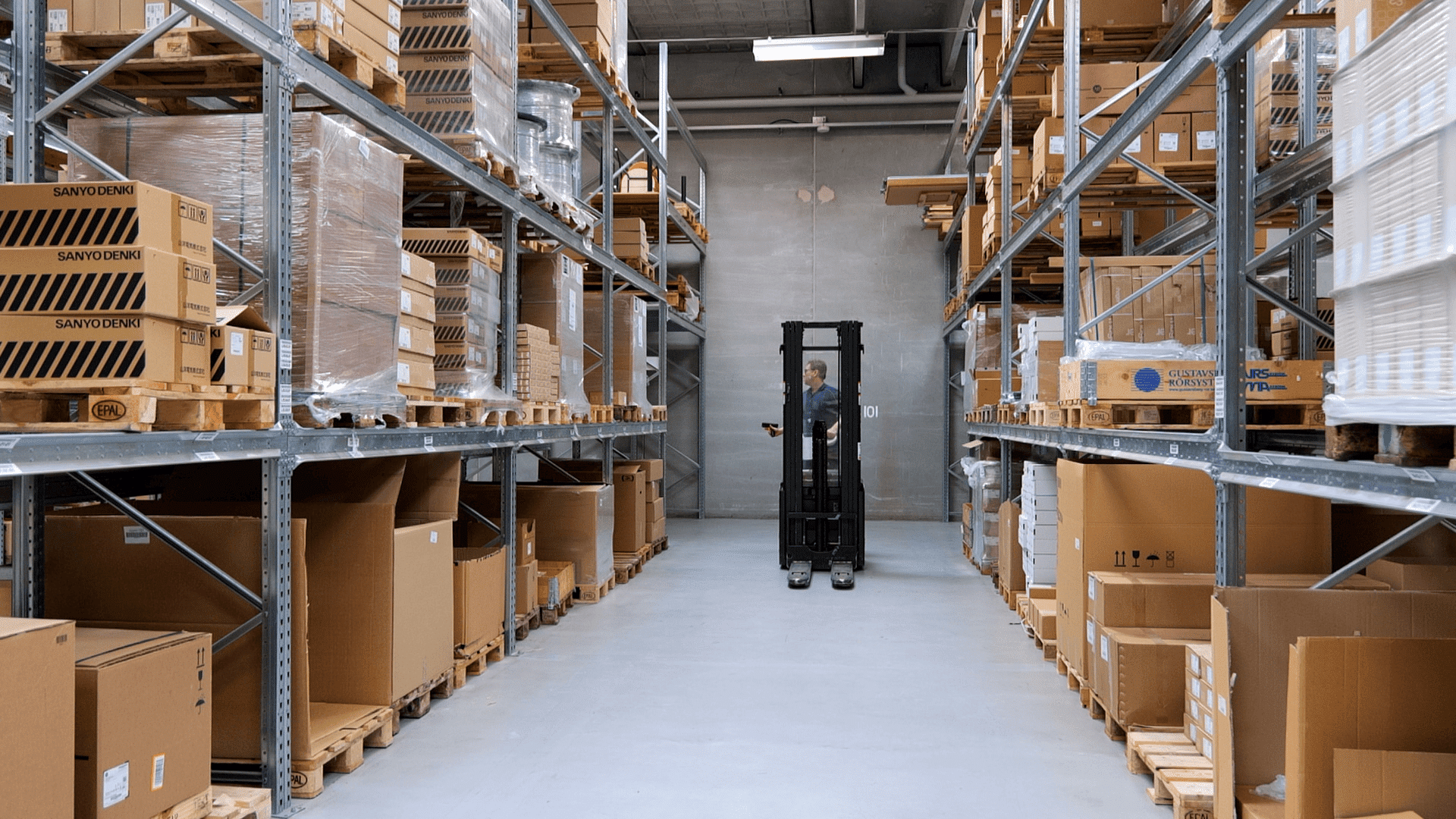
Combine ERP, warehouse, and shipping into one logistics solution
Last updated
19/10/2026

Kim
CTO & CPO, Apport Systems
Benefits of integrating ERP, warehouse, and shipping
One of the main benefits of combining ERP, warehouse, and shipping into one logistics solution is the increased efficiency. By integrating these systems, you can reduce manual processes and minimize errors, leading to more streamlined operations. Integration also means that all data is consolidated in one place, providing you with better oversight and the ability to make more accurate decisions.
An integrated logistics solution can also improve collaboration between different departments in your company. When ERP, warehouse, and shipping are connected, information can flow freely between teams, reducing silos and enhancing communication. This leads to faster and more efficient processes, giving your company a competitive advantage.
Another advantage of integration is the potential for more accurate inventory management. By combining inventory management with ERP and shipping, you can better predict needs, optimize stock levels, and reduce costs. This can be especially valuable for e-commerce businesses that need to keep track of a large number of products and orders in real-time. Read more about WMS inventory management in growth companies.
By integrating these systems, businesses can also better adapt to changing market demands. For example, a retail company using an integrated solution can quickly adjust its inventory based on real-time data on sales trends and consumer patterns. This can lead to a reduction in excess inventory and thus lower costs. Additionally, integration enables the automation of reordering processes, further optimizing the supply chain and ensuring that inventory is always able to meet customer demand.
Implementation process for a unified logistics solution
Implementing a unified logistics solution requires careful planning and collaboration between IT, ERP, and warehouse managers. First, you need to analyze your current processes and identify areas where integration can create value. It’s important to have clear goals for what you want to achieve with the integration, as well as a detailed plan for how the different systems should interact.
A successful implementation also involves choosing the right software provider that can deliver a solution that fits your company’s needs. You should consider factors such as flexibility, scalability, and support when selecting a provider. It may also be beneficial to work with a consultant or specialist who has experience implementing logistics solutions in similar companies.
Training and educating employees is another important part of the implementation process. It is crucial that your teams understand how the new solution works and how they can best use it to optimize their workflows. This often requires workshops and hands-on training so that everyone is comfortable with the new systems.
It’s also important to consider the cultural changes that a new logistics solution may bring. Employees need to adapt to new working methods and technologies, which may require a change in company culture. To facilitate this transition, it can be helpful to involve key employees early in the process and give them the opportunity to contribute to the design of the new processes. This can increase their sense of ownership and reduce resistance to change.
Did you know
- Integration increases efficiency.
- Integration improves departmental collaboration.
- Automation optimizes reordering processes.
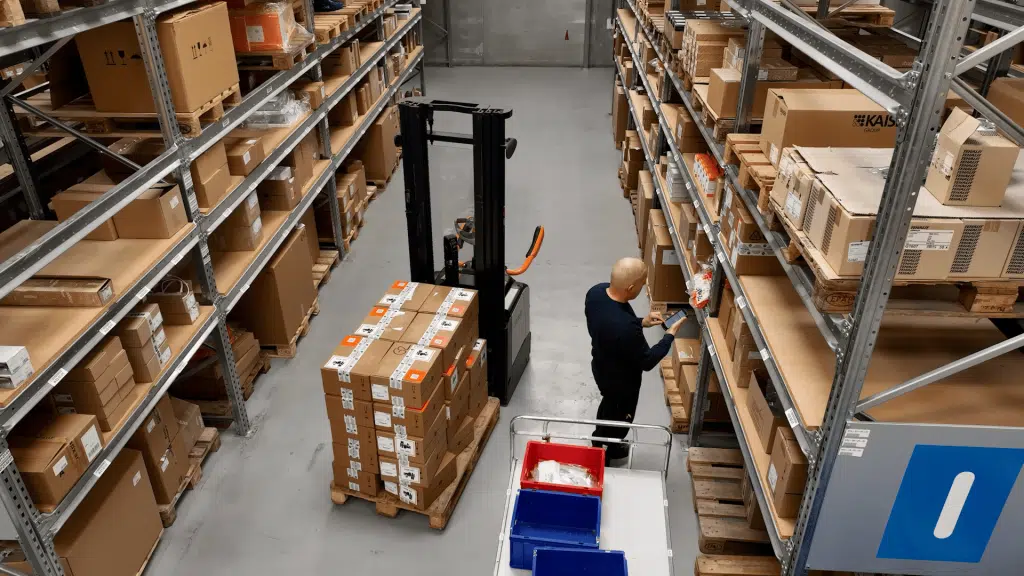
Challenges of integrating ERP, warehouse, and shipping
While there are many benefits to combining ERP, warehouse, and shipping into a logistics solution, there are also challenges to overcome. One of the biggest challenges is ensuring that all systems can communicate effectively with each other. This often requires customization of existing systems and development of new integrations, which can be time-consuming and costly.
Another challenge is managing change within the company. Implementing a new logistics solution can lead to changes in workflows and roles, which may face resistance from employees. It is important to have a clear communication strategy and involve employees in the process to ensure that everyone feels heard and supported.
Additionally, you need to be aware of security and data protection requirements when integrating your systems. It is crucial to ensure that all data is protected against unauthorized access and that your systems comply with applicable regulations. Read more about ERP and WMS with clear roles in warehouse management.
Moreover, businesses must be prepared to handle technical challenges that may arise during integration. This can include issues with data migration, compatibility between different systems, and the need to upgrade existing technology infrastructure. Having robust technical support and a clear plan for addressing these challenges is crucial for a successful integration. A hypothetical solution could be to establish a dedicated support group that can quickly respond to technical issues and minimize operational disruptions.
How to choose the right logistics solution
To choose the right logistics solution for your business, it is important to consider your specific needs and goals. Start by evaluating which features and integrations are most important to your company and which challenges you want to solve with a new solution. Make a list of potential providers and assess each one based on their experience, reputation, and ability to deliver a solution that meets your requirements.
It can also be helpful to speak with other companies in your industry that have implemented similar solutions to gain insights into their experiences and recommendations. This can give you a better understanding of what to expect from the process and which pitfalls to avoid.
Finally, it is important to have a clear understanding of the total costs of implementation, including software licenses, hardware, integration, and training. This will help you budget correctly and ensure that you choose a solution that is financially sustainable for your business. Read more about optimizing warehouse systems with Apport WMS.
When choosing a logistics solution, it is also important to consider the future growth plans of your company. A solution that can scale with your company’s growth will be more sustainable in the long term. Also, assess whether the provider offers ongoing updates and support, so you can be sure the system remains relevant and effective even as your business needs change. Consider conducting a trial period with potential providers to ensure the system operates smoothly in your daily operations.
Did you know
- Integration requires careful planning.
- Change management reduces resistance.
- Technical support is crucial.
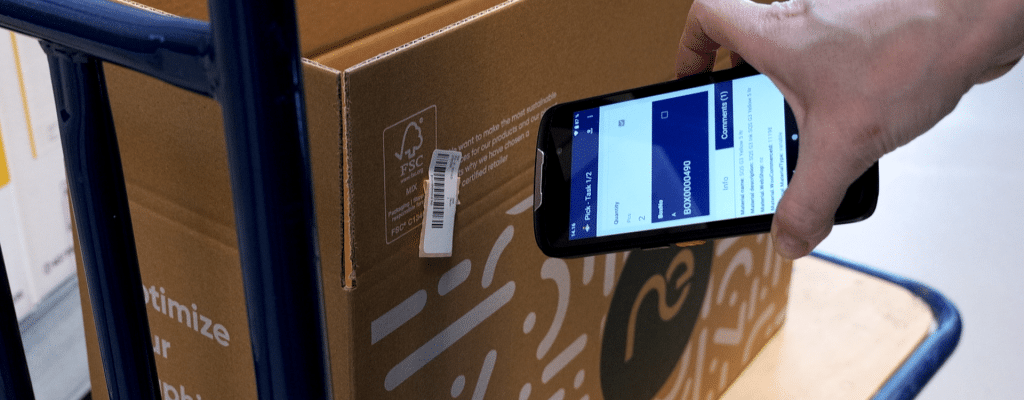
Conclusion
Combining ERP, warehouse, and shipping into one logistics solution can revolutionize your company’s operations and provide you with the tools needed to achieve greater efficiency and competitiveness. By integrating these systems, you can achieve better oversight, precise inventory management, and improved collaboration between departments. Although there are challenges associated with implementation, they can be overcome with careful planning and communication. Choose the right solution for your business by evaluating your needs, researching potential providers, and considering the costs. With the right approach, an integrated logistics solution can be key to your company’s success.
Overall, an integrated logistics solution can be a game changer for companies looking to optimize their operations and improve efficiency. By combining ERP, warehouse, and shipping, businesses can achieve a more cohesive and transparent supply chain, enabling better customer service and reduced costs. However, it is crucial to understand the challenges that may arise during implementation and have a clear strategy for addressing them. With the right planning and execution, an integrated solution can provide significant advantages and enhance business competitiveness in the long term.
Ultimately, an integrated logistics solution can be essential for running a modern business efficiently. By combining ERP, warehouse, and shipping into one solution, companies can achieve a more cohesive supply chain that not only improves internal efficiency but also delivers better service to customers. It is important, however, for companies to consider both the technical and cultural challenges that may arise during implementation and to have a clear strategy for managing these. With the right planning, an integrated solution can offer substantial benefits and improve the company’s competitiveness in the long run.
A specific example of a successful integration could be a retail company experiencing increased customer satisfaction and reduced costs by automating warehouse processes and improving delivery accuracy. By utilizing real-time data, the company can quickly adjust its inventory according to demand, minimizing waste and optimizing warehouse space. Such a solution, however, requires that the company constantly evaluates and updates the systems to keep pace with technological advancements and market changes.
Therefore, companies considering integrating their logistics systems should not only focus on short-term gains but also on how they can ensure that their systems remain relevant and effective in the future. This involves investing in ongoing employee training and ensuring that a robust support structure is in place to handle any technical challenges that may arise.
FAQ
What is an integrated logistics solution?
An integrated logistics solution combines ERP, warehouse, and shipping into one platform to enhance operational efficiency.
How can integration improve inventory management?
Integration allows for precise inventory management by combining warehouse, ERP, and shipping data.
What does the implementation of a logistics solution require?
Implementation requires careful planning and collaboration between different departments.
What is a challenge in system integration?
A challenge is ensuring effective communication between systems, which may require customization.
How can businesses handle technical challenges?
Businesses can handle technical challenges by establishing a robust technical support structure.
What can improved departmental collaboration lead to?
It can lead to faster and more efficient processes, giving the company a competitive advantage.
How does automation affect warehouse processes?
Automation can optimize reordering processes and ensure inventory meets customer demand.
How can resistance to change be reduced?
Involving employees early in the implementation process can reduce resistance to change.
How can businesses ensure financial sustainability with integration?
By understanding the total costs of implementation and choosing a solution that fits the budget.
How can companies remain competitive with an integrated solution?
By constantly evaluating and updating systems and investing in employee training.
Del indlæg:

Christian Mikkelsen
CCO, Apport Systems
Do you need help assessing whether a warehouse management system is right for your business? You are always welcome to contact me so that together we can find the best solution for your business.
Have you read


Order system, ERP, webshop, and WMS: How they work together
Explore the integration of order systems, ERP, and WMS for optimized warehouse management and enhanced customer satisfaction in e-commerce companies.