

Choose warehouse solutions that can adapt to your future needs
Last updated
02/11/2026

Christian
CCO, Apport Systems
How can you find the right warehouse solution? What should you consider when adapting your warehouse for the future? These questions are crucial for companies looking to scale their operations. With the right warehouse solutions, you can ensure that your warehouse keeps pace with increasing order volumes and product variations. This is particularly important for growing warehouses in the wholesale, e-commerce, and manufacturing sectors. This article will guide you through the key considerations when choosing warehouse solutions that can adapt to your future needs.
In the rapidly evolving business landscape, warehouses play a critical role in ensuring the seamless flow of goods from manufacturers to consumers. As businesses grow and the demand for diverse products increases, the pressure on warehousing systems to adapt without compromising efficiency becomes paramount. This article explores the essential elements of future-proofing warehouse solutions, ensuring they remain flexible, scalable, and integrated with current technologies. By understanding these core aspects, businesses can position themselves to better meet the demands of a competitive market.
Assessing Current and Future Warehouse Needs
The first step in choosing the right warehouse solution is to understand your current and future needs. This involves a thorough analysis of your current warehouse operations, including the number of orders, product types, and storage space. Additionally, you should assess how you expect your business to develop in the future. This might include an increase in order numbers, a broader product range, or the need to open new warehouses.
By having a clear understanding of both current and future requirements, you can better identify which warehouse solutions will support your business growth. Read more about Apport WMS to understand how a scalable solution can help you meet these needs.
Another important consideration is analyzing seasonal demand fluctuations. A warehouse that can handle both peak seasons and off-seasons without compromising efficiency is often more cost-effective. Understanding these fluctuations can help anticipate the need for temporary storage space or additional staffing, which can be crucial for maintaining smooth operations.
To illustrate the importance of understanding current and future needs, consider a company that has seen a 20% annual increase in order volume. Without a clear strategy to handle this growth, the company may quickly find itself in a situation where warehouse capacity is insufficient, leading to delays and lost sales opportunities. Therefore, it is essential to have a scalable solution that can grow with the company.
Did you know
- Warehouse needs require clear analysis.
- Scalable solutions reduce costs.
- Automation increases warehouse efficiency.
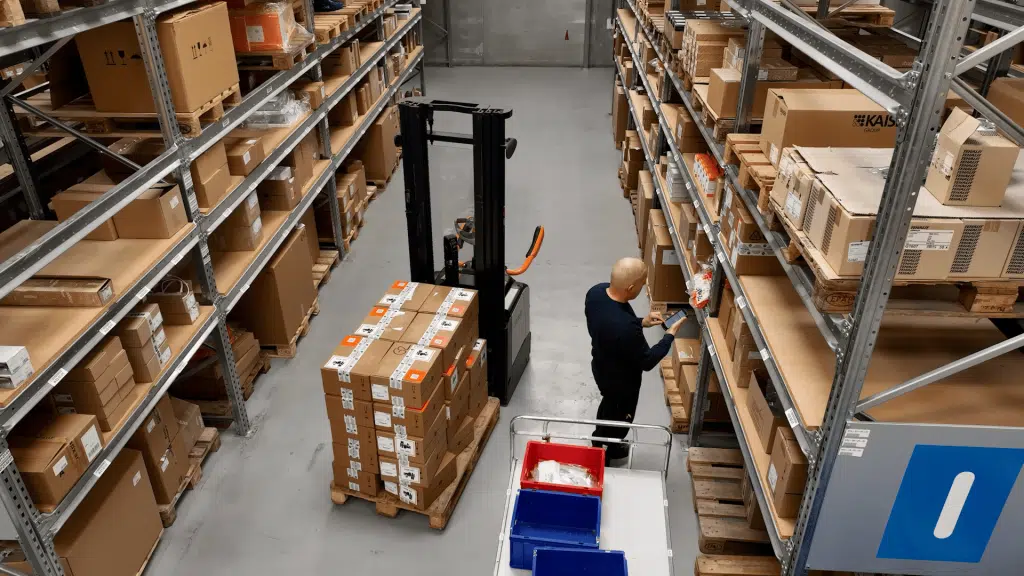
Ensuring Flexibility and Scalability in Warehouse Solutions
Adapting Warehouse Solutions to Business Changes
One of the most important factors when choosing warehouse solutions is flexibility and scalability. It is crucial to choose systems that can easily adapt to changes in your business model. Flexible warehouse solutions allow you to adjust storage capacity and features according to your business needs. This ensures that you can quickly respond to market changes or sudden growth opportunities.
Scalable solutions allow you to expand your warehouse operations without having to invest in entirely new systems. By choosing technologies that can grow with your business, you can reduce costs and increase efficiency. Read more about WMS in growth businesses to learn how flexibility and scalability can be valuable assets for your warehouse operations.
Flexibility can also include the ability to quickly switch from one type of warehouse management to another, depending on changing business needs. For example, a company operating in a seasonal industry can benefit from warehouse solutions that allow adding or removing storage space without significant costs or time loss. This enables maintaining optimal storage capacity year-round.
Implementing Modular and Automated Warehouse Systems
An example of a scalable solution could be a warehouse management system (WMS) that can easily be upgraded with modules to add new features such as automated picking or RFID tracking. This allows the company to gradually improve its processes without having to switch to an entirely new system, which can be both costly and time-consuming.
Flexible solutions also allow companies to experiment with new markets or product lines without significant investments in new infrastructure. For example, a company considering introducing a new product type can quickly scale up or down depending on market response, reducing the risk of trying new initiatives.
Automation plays a central role in modern warehouse management. By automating routine tasks, you can free up resources and focus on more strategic activities. Automation solutions such as robots, automated picking technologies, and advanced warehouse management systems can increase both speed and accuracy in your warehouse operations.
Optimizing Warehouse Efficiency Through Automation
Automation can also improve the overall efficiency of the warehouse by minimizing human errors and reducing the time it takes to complete tasks. This is especially important when handling an increasing number of orders and products. Read more about optimizing warehouse systems for insights into how automation can optimize your warehouse operations.
A potential challenge with automation is the initial investment and adaptation of existing processes. However, these initial costs can be offset by long-term gains in the form of reduced labor costs and increased accuracy. Automation can also improve working conditions by reducing the need for heavy and repetitive work.
Automation can also play a role in sustainability strategies by reducing energy consumption and waste. For example, automated systems can optimize warehouse temperature control and lighting, leading to significant energy savings. Additionally, automation can help minimize material waste by improving accuracy in inventory management.
Successful automation can also facilitate faster adaptation to changes in demand. For example, automated warehouse systems can quickly adapt to sudden increases in order volume by utilizing precise data to optimize picking and packing routes. This ensures that the warehouse can meet customer demands without delays, which is crucial in competitive markets.
Did you know
- Integration enhances data exchange.
- Flexibility enables quick adaptation.
- Seasonal fluctuations need cost-effective management.
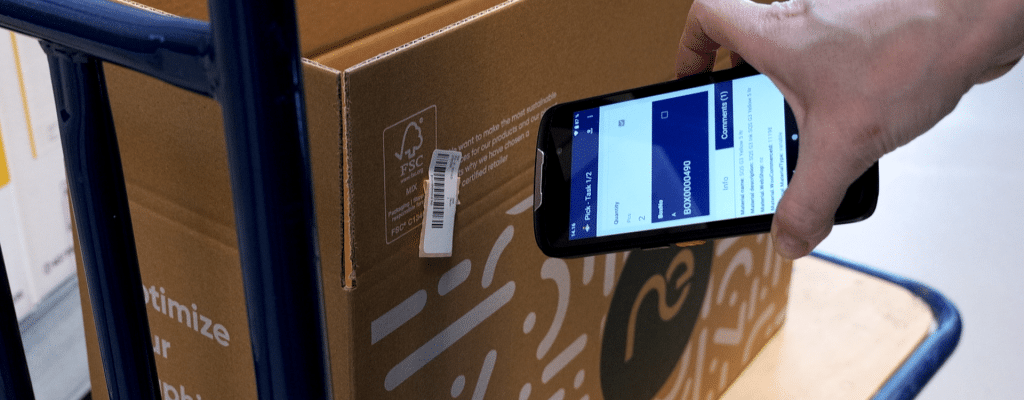
Evaluating Integration and Cost-Effectiveness of Warehouse Solutions
Seamless Integration with IT Systems
When choosing new warehouse solutions, it’s important to ensure they are compatible with your existing IT infrastructure. Integration with systems such as ERP, CRM, and e-commerce platforms ensures seamless data exchange and enhances overall business operations. A well-integrated solution can provide you with a comprehensive overview of the company and improve decision-making.
It’s also important to choose a solution that offers strong support and flexible integration options. This can reduce downtime and increase efficiency in the implementation process. Read more about the benefits of WMS inventory management to understand how proper integration can enhance your warehouse operations.
Integration can also support continuous improvement by providing access to data that can be used to optimize warehouse operations. For example, real-time data from warehouse management systems can be used to identify bottlenecks and inefficiencies that can be addressed to improve the warehouse’s overall performance. This can lead to more streamlined operations and better resource utilization.
Cost-Benefit Analysis of Warehouse Solutions
For instance, an ERP integration with the warehouse management system can ensure that inventory levels are automatically updated in real-time as orders are processed. This reduces the risk of human errors and ensures that customer data is always up-to-date, which can improve customer satisfaction and streamline order processing.
A successful integration can also lead to better customer experiences. For example, faster real-time updates of inventory status can improve customers’ knowledge of product availability, reducing the number of orders for out-of-stock items and enhancing customer satisfaction. This can ultimately lead to increased customer loyalty and repeat purchases.
A thorough assessment of the total costs of a warehouse solution is crucial for ensuring a good investment. Consider both the direct costs of installation and operation as well as the indirect costs, which may include training, maintenance, and upgrades. Calculating return on investment (ROI) can help you understand the long-term value of the solution.
Also, consider what time savings and productivity improvements the solution can offer. By comparing the costs with the potential benefits, you can make a more informed decision about which solution provides the greatest value for your business.
Maximizing ROI and Operational Improvements
A hypothetical company investing in a new warehouse solution might experience a significant improvement in efficiency. For example, a 30% reduction in picking and packing errors can lead to significantly lower return and cost levels. This can have a positive impact on the company’s bottom line and increase ROI.
It’s important to remember that ROI is not just about financial gains but also about improvements in work processes and employee satisfaction. A warehouse solution that reduces stress and increases employee productivity can have an indirect positive effect on the company’s bottom line by reducing staff turnover and absenteeism.
Considering both direct and indirect costs provides a more holistic view of a warehouse solution’s value. For example, a solution that reduces labor time and improves order processing speed can also have positive implications for customer service and the company’s reputation. This can result in increased customer satisfaction and loyalty, which should also be included in ROI calculations.
Strategic Recommendations for Warehouse Operations
Choosing the right warehouse solution requires a strategic approach. By understanding your needs, selecting flexible and scalable solutions, implementing automation, integrating with existing systems, and evaluating costs, you can ensure your warehouse operations are ready for the future. With the right decisions, you can create efficient and scalable warehouse operations that support your business growth and competitiveness.
To achieve the best results, companies should also consider incorporating customer feedback in the decision-making process for choosing warehouse solutions. Customers’ experiences and expectations can provide valuable insights into which aspects of warehouse operations can be improved. This focus on the customer experience can contribute to a more customer-centric approach that not only enhances warehouse efficiency but also the company’s overall image and brand loyalty.
Overall, choosing the right warehouse solution requires a thorough understanding of both current needs and future growth strategies. By implementing a combination of flexible, scalable, and well-integrated technologies, companies can effectively navigate the challenges posed by a growing business operation. This can not only improve efficiency but also strengthen competitiveness in a dynamic market environment.
To ensure effective implementation of warehouse solutions, companies should also consider employee training and engagement. A well-prepared workforce can more easily adapt to new systems, reducing implementation time and increasing the likelihood of a successful transition. Moreover, employee input can provide valuable insights into how warehouse solutions can best be tailored to the company’s specific needs.
FAQ
How can you identify warehouse needs?
By analyzing current operations and future expectations, such as order volume and product range.
Why is scalability important in warehouse solutions?
Scalable solutions allow expansion of warehouse operations without investing in new systems, reducing costs.
What role does automation play in warehouse management?
Automation frees resources from routine tasks, improves speed and accuracy, and reduces human errors.
How can integration improve warehouse operations?
Integration with existing systems ensures seamless data exchange and provides a comprehensive company overview.
What is the advantage of flexible warehouse solutions?
Flexible solutions allow adjustment of storage capacity and features according to changing business needs.
How do you handle seasonal demand fluctuations?
By having a warehouse that can easily adjust to peak and off-seasons, which is more cost-effective.
Why is it important to assess total costs of warehouse solutions?
To ensure a good investment by considering installation, operation, training, maintenance, and upgrades.
How can automation contribute to sustainability?
Automation can reduce energy consumption and waste by optimizing warehouse temperature control and lighting.
What can an ERP integration with warehouse management ensure?
It can ensure that inventory levels are updated in real time, reducing human errors and improving customer satisfaction.
How can customer feedback improve warehouse solution choices?
Customer feedback can provide insights into which aspects of warehouse operations can be improved and contribute to a customer-centric approach.
Del indlæg:

Christian Mikkelsen
CCO, Apport Systems
Do you need help assessing whether a warehouse management system is right for your business? You are always welcome to contact me so that together we can find the best solution for your business.
Have you read

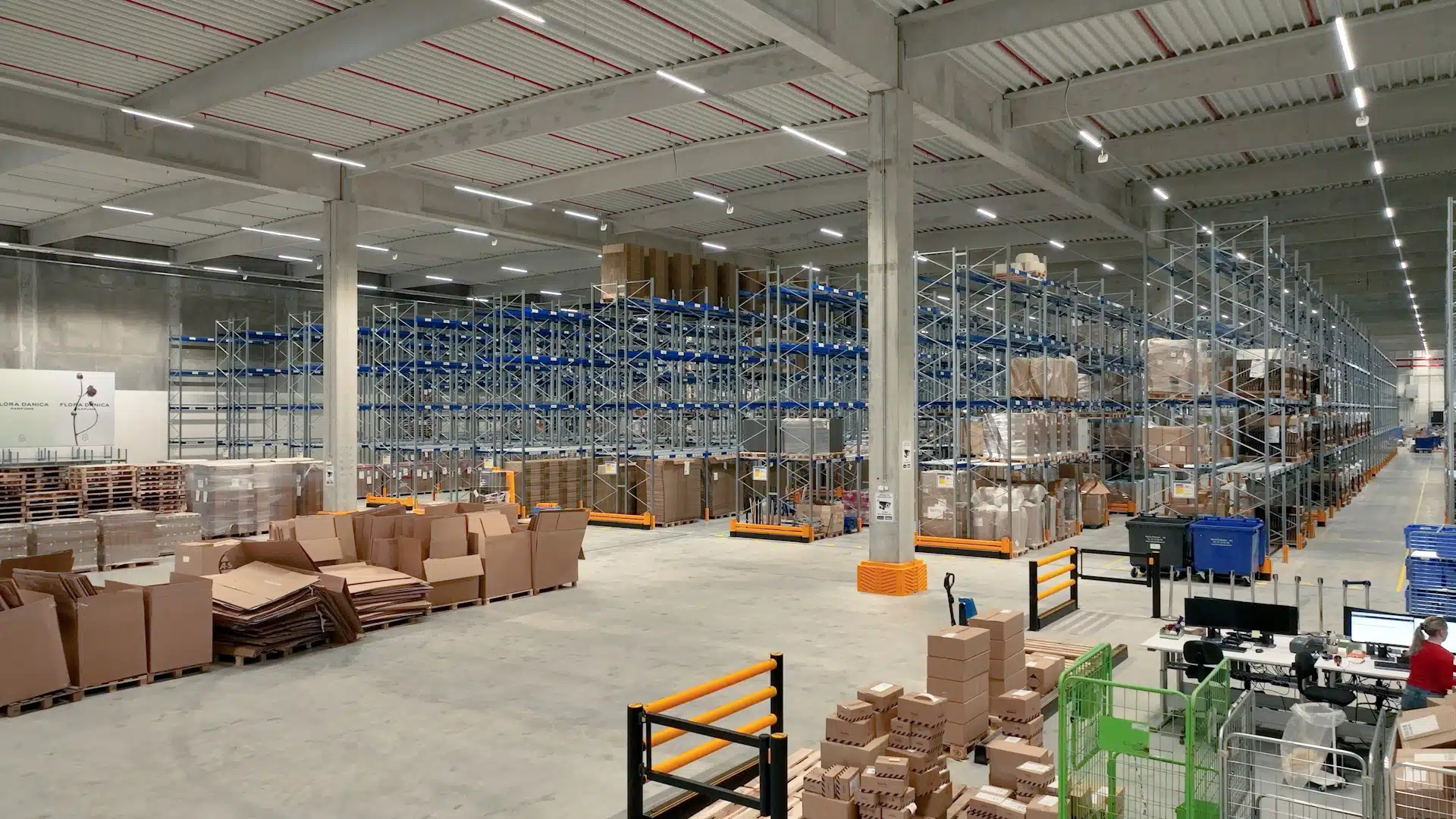
Sustainable Supply Chain Requires Traceability
Sustainable Supply Chain Requires Traceability