
Benefits of Using a Warehouse Management App in the Warehouse
05/04/2026

Christian
CCO, Apport Systems
Introduction to Warehouse Management Apps
As a warehouse and logistics manager in an e-commerce company, you’ve likely faced challenges in keeping track of inventory. For small warehouses with emerging needs, a warehouse management app can be a valuable investment that helps optimize operations and improve efficiency.
Efficient Inventory Management
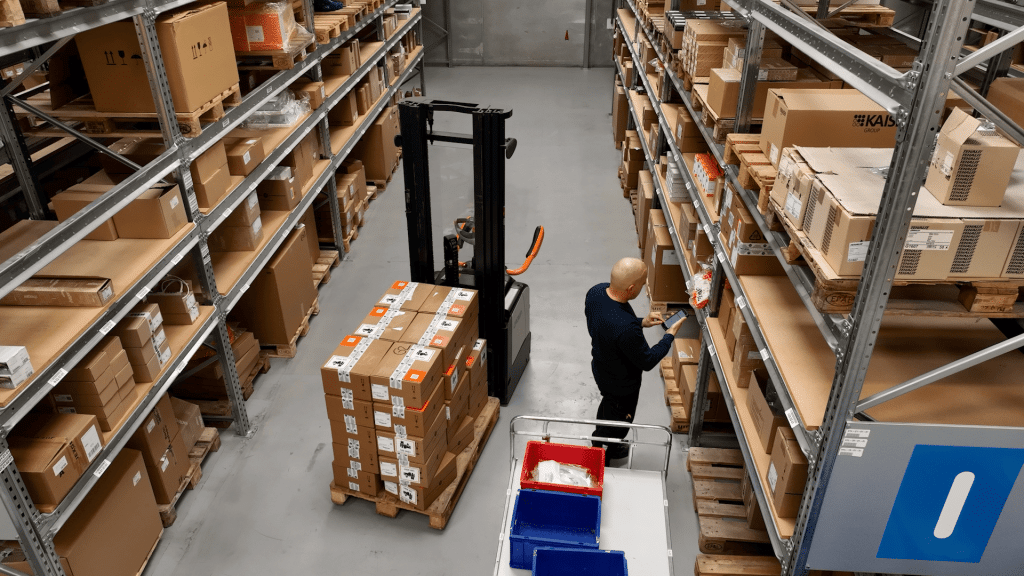
A warehouse management app helps track inventory in real-time. This means you always know what you have in stock and what needs to be ordered. It reduces the risk of over- or under-ordering, which can significantly impact customer satisfaction.
Automation of Processes
By automating many manual processes, a warehouse management app saves time and reduces errors. For instance, you can automatically update inventory status when an order is shipped, minimizing the work involved in manual data entry.
Improved Customer Service
By using a warehouse management app, you can provide customers with accurate information about product availability and delivery times. This improves customer satisfaction and can even lead to increased sales.
Integration with E-commerce Platforms
Most modern warehouse management apps can integrate with popular e-commerce platforms like Shopify and WooCommerce. This means that when a customer purchases a product, the inventory is automatically updated, ensuring that your online information is always current.
Cost Efficiency
Although a warehouse management app requires an initial investment, it can save money in the long run. By reducing errors, optimizing inventory, and improving efficiency, your company can experience significant savings.
Case Study: Efficient Warehouse Management at Coolshop
A company that has had great success using a warehouse management app is Coolshop. By analyzing their warehouse with Apport BI, they have been able to excel in skills and significantly improve their warehouse operations.

Implementation of a Warehouse Management App
Implementing a warehouse management app is a major decision, but with proper planning, it can be a smooth process. Start by mapping your current processes and identifying areas where the app can add value. Then test the app with a small selection of products and evaluate the results before rolling it out to the entire warehouse.
Should the Warehouse Adapt to a WMS or Vice Versa?
It's important to consider whether your warehouse should adapt to a new warehouse management app or vice versa. Read more about this consideration in our blog post here.
Conclusion
A warehouse management app can revolutionize how small warehouses operate by improving efficiency, reducing errors, and enhancing customer service. If you want to learn more about optimizing your warehouse operations, visit our blog post on the recipe for e-commerce success lies in your warehouse.
Get Started with Your Warehouse Management App Today
Are you ready to take the step towards more efficient warehouse management? Consider implementing a warehouse management app and see how it can improve your business operations. For more information on getting started, visit our partner site for additional resources and guidance.
The Importance of Data Analysis in Warehouse Management
Data analysis plays a central role in effective warehouse management. By analyzing past sales figures and inventory movements, companies can predict future needs and adjust their inventory accordingly. This allows for minimizing waste and maximizing efficiency.
Demand Forecasting
An advanced warehouse management app can integrate with data analysis tools to accurately forecast demand. This makes it easier to plan stock replenishment and avoid shortages of popular products during peak seasons.
Optimization of Warehouse Space
Efficient use of warehouse space is crucial for any business. Warehouse management apps can help identify dead stock and suggest how to best utilize warehouse space, leading to reduced costs and improved stock rotation.
The Future of Warehouse Management
The future of warehouse management is likely to incorporate even more advanced technologies such as AI and IoT. These technologies can further automate processes and provide even more precise data for decision-making. Staying ahead of these trends can give your business a competitive edge.
Implementing AI in Warehouse Management
AI can help predict patterns and automate complex decisions that previously required manual input. It can also help identify potential bottlenecks in the supply chain and suggest proactive solutions.
Internet of Things (IoT) in Warehouse Management
IoT devices can provide real-time data on inventory and warehouse conditions. This can help prevent losses due to damage and improve overall warehouse management efficiency by providing a constant monitoring system.
How to Choose the Right Warehouse Management App
Choosing the right warehouse management app can be a complex process, but it is crucial to achieving the desired results. Consider factors such as user-friendliness, customization options, and costs. It may be a good idea to test several apps before making a final decision.
User-Friendliness and Support
A warehouse management app should be intuitive and easy to use for all employees. Additionally, it should offer good customer support so that issues can be resolved quickly and efficiently.
Customization Options
Businesses have different needs, and it is important to choose an app that can be customized to your specific requirements. Ensure that the app can integrate with your existing systems and scale with the growth of the company.
Transition to Sustainable Warehouse Management
Sustainability is becoming an increasingly important factor in warehouse management. By choosing a warehouse management app that supports sustainable practices, companies can not only reduce their environmental impact but also improve their reputation among environmentally conscious consumers.
Environmentally Friendly Methods
A warehouse management app can help implement environmentally friendly methods such as reducing paper usage through digital records and optimizing transportation to reduce CO2 emissions.
Recycling and Waste Reduction
By monitoring inventory in real-time, companies can better manage expiration dates and minimize waste. Apps can also help identify opportunities for material recycling, further supporting sustainable business practices.
Share post:
Want to learn more about Warehouse Management Systems?
Need help figuring out whether a warehouse management system is the right fit for your business? You’re always welcome to get in touch – and together we’ll find the best solution for your needs.

Christian Mikkelsen
CCO, Apport Systems
E: [email protected]
T: +45 4177 6304
Christian Mikkelsen
CCO, Apport Systems
E: [email protected]
T: +45 4177 6304


