
Benefits of a Warehouse Management System in a Busy Warehouse Environment
25/03/2026

Christian
CCO, Apport Systems
Introduction to Warehouse Management Systems
In today’s competitive e-commerce landscape, efficient warehouse management is not just an advantage, but a necessity. For growing warehouses looking to scale, a Warehouse Management System (WMS) can be a decisive factor. In this article, we will explore how a WMS can improve efficiency, reduce costs, and increase customer satisfaction in your business.
Efficient Inventory Management
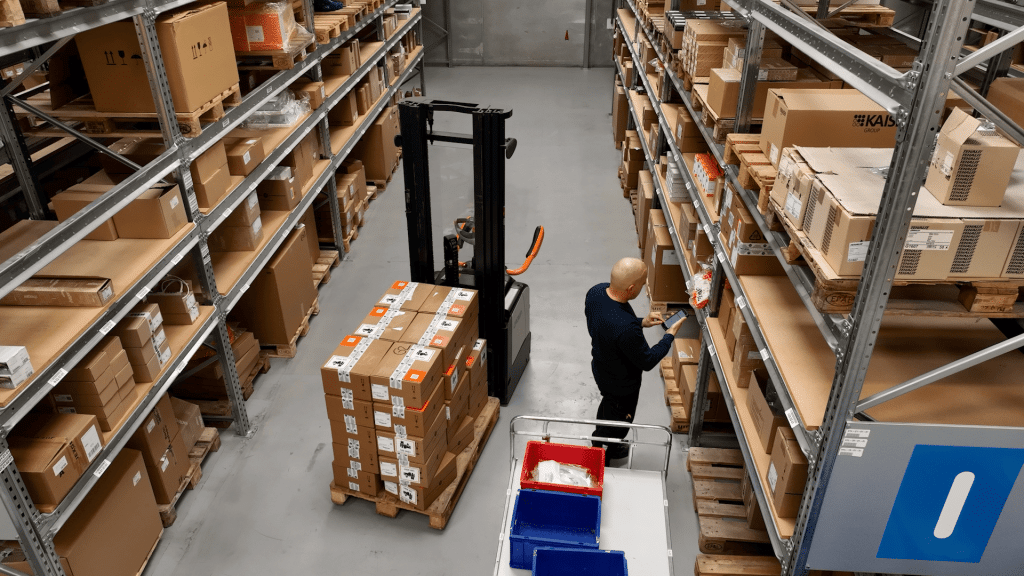
One of the primary goals of a warehouse management system is to optimize inventory handling. This system provides a real-time overview of inventory status, ensuring that you always know which items are in stock and which need to be reordered. With a WMS, you can avoid both excess and shortage of inventory, ultimately minimizing waste and maximizing warehouse efficiency.
Automation of Work Processes
Manual processes are often time-consuming and prone to errors. By automating the work processes in the warehouse, a warehouse management system can reduce human errors and free up employees to focus on more value-added tasks. Automation can also improve the picking and packing process, reducing the time it takes to prepare orders for shipment.
Improved Customer Satisfaction
With an effective warehouse management system, you can ensure that your customers always receive their orders on time. This means fewer delays and a higher level of customer satisfaction. Read more about how warehouse management impacts e-commerce success here.
Integration with Other Systems
A modern WMS can integrate with other systems, such as ERP and CRM systems. This creates a seamless flow of information between departments, improving overall business efficiency. Such integration can also provide you with deeper insights into your customers' behavior and preferences, allowing you to better meet their needs.
Increased Business Value and ROI
Investing in a warehouse management system may seem like a significant cost, but the long-term benefits and savings often outweigh the initial expenses. By reducing waste, increasing efficiency, and improving customer satisfaction, a WMS can help increase the overall value of the business and provide a high ROI. Find out whether the warehouse should adapt to a WMS or vice versa.
Strategic Decision Making
By providing accurate data and analysis, a WMS can help warehouse and logistics managers make informed decisions. This can be crucial for identifying bottlenecks and optimizing warehouse performance. See how Culina prevents bottlenecks with Apport BI.

Conclusion
A warehouse management system is an indispensable part of any e-commerce business looking to grow and scale. By improving warehouse management, automating processes, and integrating with other systems, a WMS can create significant benefits for your business. Consider implementing a warehouse management system today to ensure your warehouse can handle future growth and demands. For more information on how to optimize your warehouse, read how Coolshop analyzes its warehouse with Apport BI.
Contact us today to find the right warehouse management system for your business and experience the benefits of more efficient warehouse management.
Implementing a Warehouse Management System
Implementing a warehouse management system can be a complex process, but with proper planning and preparation, it can be executed with minimal disruption to daily operations. Here are some steps to help ensure a successful implementation:
Analysis of Current Processes
Before implementing a new system, it is important to analyze the current processes in the warehouse. This involves identifying strengths and weaknesses in the existing warehouse management and determining which areas need the most improvement.
Choosing the Right System
There are many different warehouse management systems on the market, and it is crucial to choose a system that fits your company's unique needs. Consider factors such as scalability, user-friendliness, and integration capabilities.
Training Employees
Employees are an important part of the implementation process. It is necessary to provide them with adequate training in the new system to ensure they can use it effectively. This can also help reduce resistance to change.
The Future of Warehouse Management
With the rapid development of technology, the future of warehouse management is filled with possibilities. Future WMS solutions will likely include advanced analytics, AI-driven decision tools, and even more integration with IoT devices, revolutionizing the way we manage warehouses.
AI and Machine Learning
AI and machine learning can enable warehouse management systems to predict demand, optimize inventory, and improve logistics. By analyzing large amounts of data, these technologies can offer more accurate forecasts and improve decision-making.
IoT Devices
The Internet of Things (IoT) has the potential to transform warehouse management by connecting physical devices to the internet and providing real-time data. This can make it possible to track items more accurately, improve warehouse visibility, and increase efficiency.
Summary
Warehouse management systems are essential for modern businesses looking to improve their warehouse operations, increase efficiency, and satisfy customers. With the right tools and strategies, a company can not only optimize its current processes but also be prepared for future challenges and opportunities.
The Employee's Role in Warehouse Management
While technology is an important component of modern warehouse management, the role of employees should not be underestimated. Effective warehouse management requires employees to be well-trained and motivated to perform their tasks efficiently. The collaboration between technology and human effort is crucial to achieving the best results.
Continuous Education
To keep up with new technologies and processes, it is important to invest in continuous education for employees. This ensures that they are up-to-date with the latest trends and best practices in warehouse management.
Motivation and Work Environment
A good work environment and motivated employees can make a big difference in warehouse efficiency. By recognizing employees' efforts and offering incentives, you can create a positive work environment that promotes productivity.
Environmentally Friendly Warehouse Management
At a time when sustainability is a key concern for many businesses, it is important to consider environmentally friendly practices in warehouse management. This can include the use of recyclable materials, optimization of transportation, and implementation of energy-saving technologies.
Reduction of Carbon Footprint
Implementing green technologies and optimizing logistics can help reduce the company's carbon footprint. By choosing more sustainable transportation methods and reducing energy consumption in the warehouse, businesses can contribute to a greener future.
Recycling and Waste Management
Effective waste management and recycling of materials in the warehouse can reduce waste and minimize environmental impact. Warehouse management systems can help monitor and optimize these processes.
Technological Advances in Warehouse Management
Technology plays a central role in shaping the future of warehouse management. With the latest advancements in robotics, drones, and automation, warehouse processes can become even more efficient and precise.
Robotics in Warehouses
Robotics can help automate many of the manual tasks in the warehouse, such as picking and packing. This can reduce labor costs and increase the accuracy of order fulfillment.
Drones for Warehouse Management
Drones can be used to inspect inventory from the air, providing a quick and accurate count of items. This can save time and reduce the risk of human errors in inventory counting.
Blockchain Technology
Blockchain can be used to create a more secure and transparent supply chain by recording each transaction in an immutable public database. This can improve traceability and trust in the supply chain.
Conclusion
The implementation of advanced technologies in warehouse management can revolutionize the way businesses operate. By leveraging these technologies, companies can improve their efficiency, reduce costs, and prepare for future challenges in a rapidly changing business world.
Share post:
Want to learn more about Warehouse Management Systems?
Need help figuring out whether a warehouse management system is the right fit for your business? You’re always welcome to get in touch – and together we’ll find the best solution for your needs.

Christian Mikkelsen
CCO, Apport Systems
E: [email protected]
T: +45 4177 6304
Christian Mikkelsen
CCO, Apport Systems
E: [email protected]
T: +45 4177 6304


