

Skip to content

Automatic Receiving Solutions: A Guide for Small Warehouses

Automatic Receiving Solutions: A Guide for Small Warehouses

17/06/2026
Picture of Christian
Christian

CCO, Apport Systems

Introduction to Automatic Solutions in Warehouse and Logistics

In a world where efficiency and precision are crucial for success, automatic receiving solutions have become a necessity for many small warehouses. These solutions can help streamline processes, increase accuracy, and reduce labor costs. For companies in the wholesale, manufacturing, and e-commerce sectors, it is essential to understand how automatic solutions can enhance their inventory management.

Benefits of Automatic Receiving Solutions

Efficiency and Time Savings

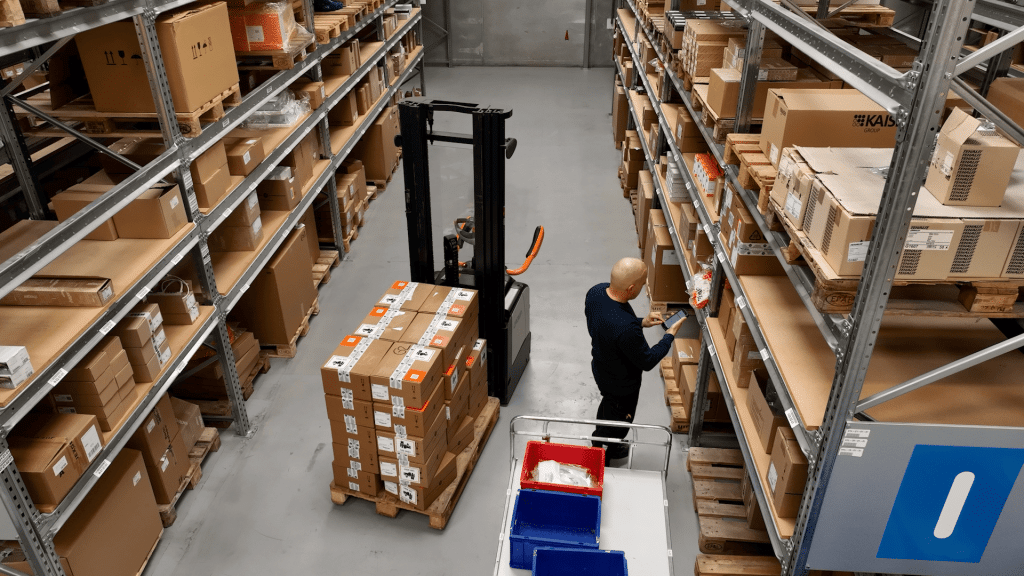
Automatic solutions can dramatically reduce the time spent on manual tasks. By automating processes such as scanning, sorting, and storing goods, businesses can free up time and resources for other important tasks. This is particularly relevant for small warehouses where resources are often limited.

Improved Accuracy

Manual processes are prone to errors, which can lead to costly corrections. Automation minimizes these errors by ensuring consistency and precision at every step of the receiving process. This is crucial for maintaining customer satisfaction and avoiding unnecessary costs associated with returns.

Scalability for Growing Businesses

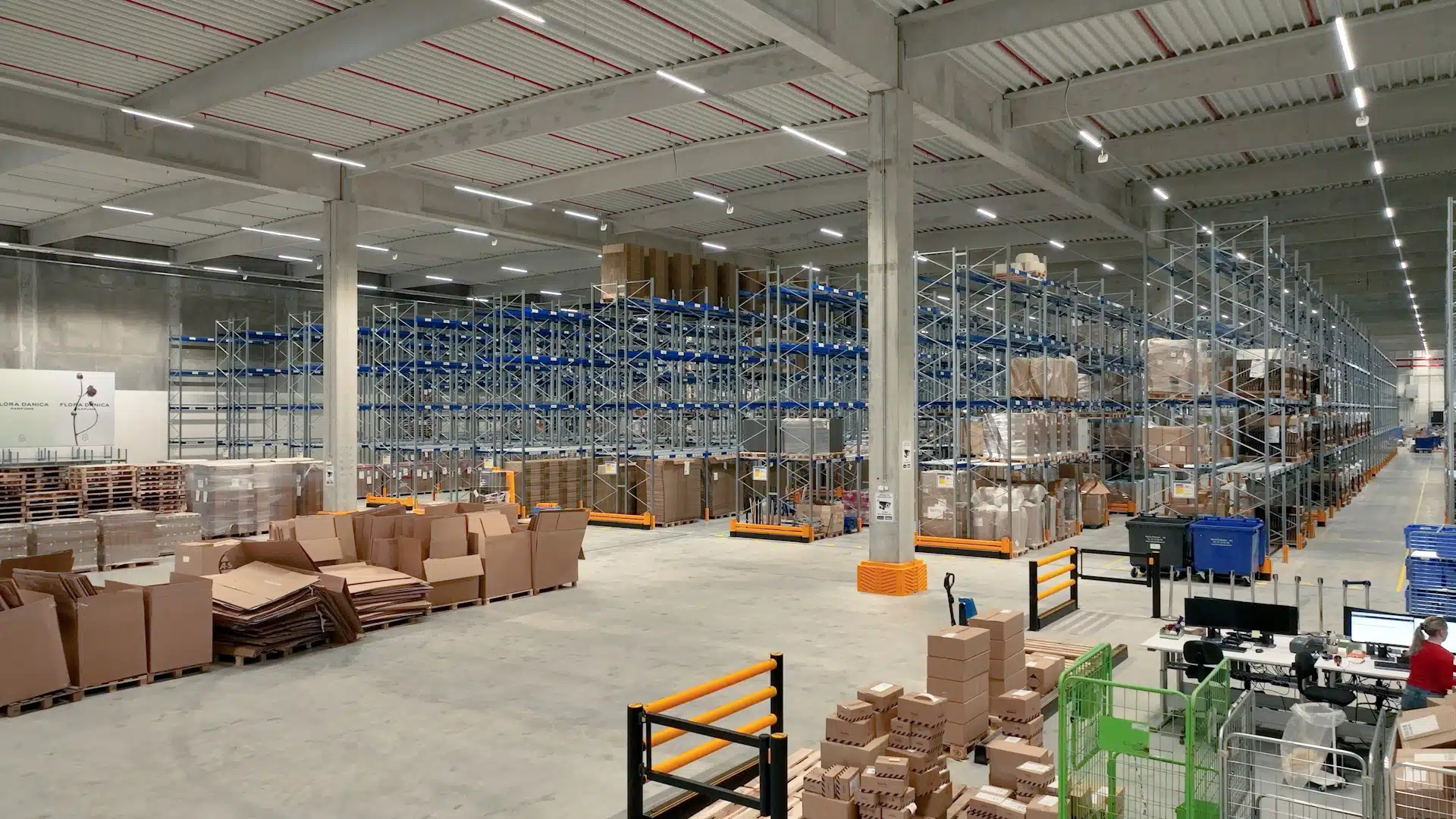
For small businesses experiencing growth, keeping up with increasing demand can be challenging. Automatic solutions provide scalability, meaning that systems can be adapted and expanded as the business grows. This makes it easier for companies to adjust to changing market conditions without having to make large investments in new resources.

Implementing Automatic Solutions

Before implementing automatic solutions in your warehouse operations, it is important to review your current processes and identify areas that could benefit from automation. A thorough analysis will help determine which solutions best meet your needs.

Choosing the Right Technology

There are many different technologies and systems available for automating receiving. It is important to choose a solution that is compatible with your current infrastructure and can be seamlessly integrated with your existing systems. Consider factors such as cost, scalability, and user-friendliness when selecting the right technology.

Integration with Existing Systems

To achieve maximum benefits from automation, it is crucial that the new systems are fully integrated with your current systems. This may require collaboration with technology experts or suppliers who can ensure seamless integration. Effective integration will ensure that data flows smoothly between systems, improving visibility and control over inventory.

Case Study: Success with Automation

An example of a successful implementation of automatic solutions can be seen in an e-commerce company that experienced significant improvements in their inventory management. By integrating automatic scanning and sorting systems, they reduced their error rates by 50% and increased their order processing time by 30%. This resulted in higher customer satisfaction and a rise in repeat purchases.

Learn more about how automation can benefit your business in this article on e-commerce success.

Conclusion: Is Automation Right for Your Business?

Transitioning from manual to automatic solutions may seem like a significant change, but for many businesses, it is a necessary investment for the future. For small warehouses with growing needs for structure and oversight, automation can be the key to maintaining competitiveness and meeting customer expectations. If you are considering implementing automatic solutions, you can learn more about how warehouses can adapt to new technologies in this article on warehouse and WMS adaptation.

How to Get Started

Once you have decided to implement automatic solutions, it is important to have a clear plan for integration. Ensure that you educate your staff on the new systems and update your processes to fully benefit from the new technologies. It can also be helpful to collaborate with a consultant who has experience with automation in warehousing and logistics.

Training Employees

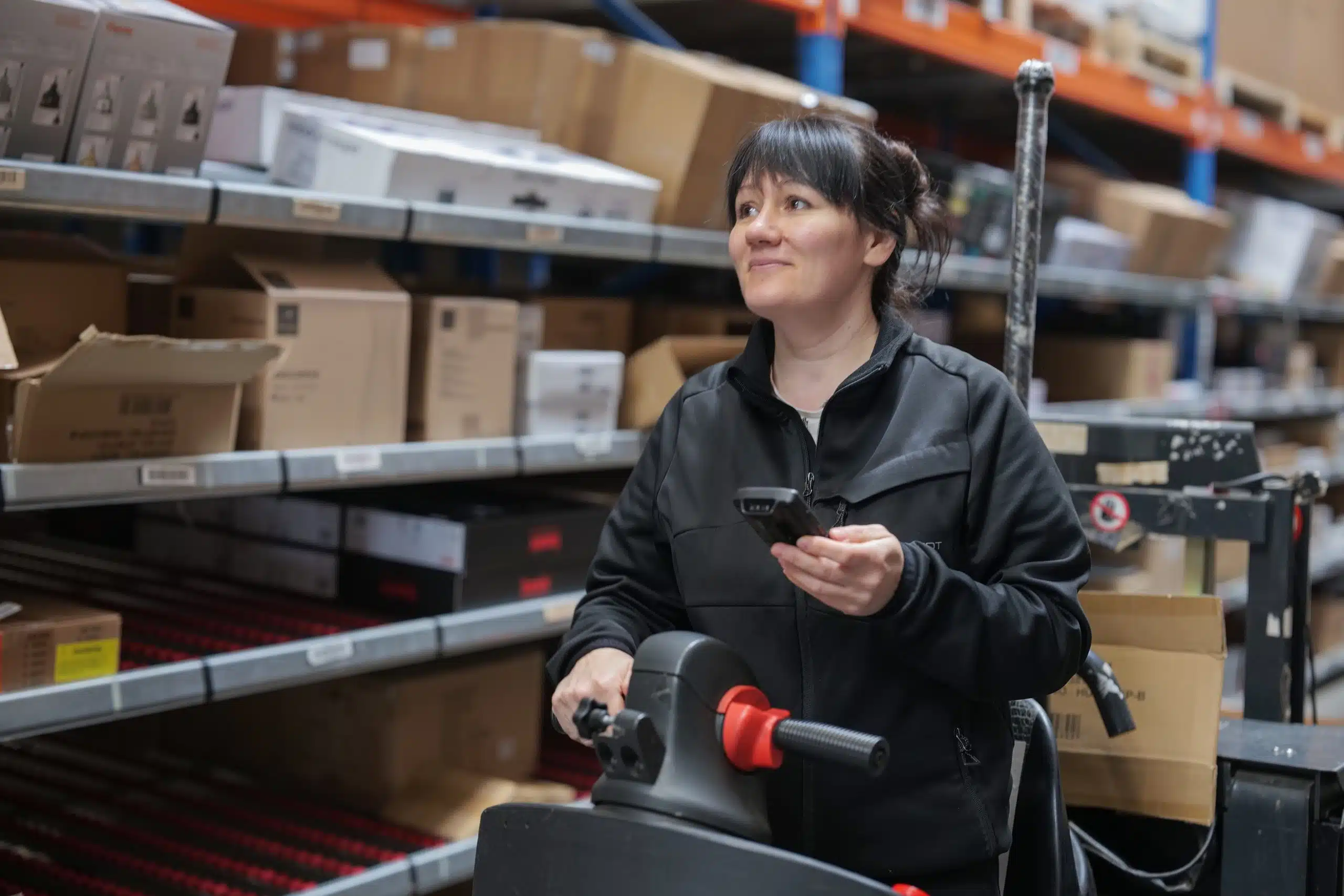
One of the most important factors for a successful transition to automated systems is ensuring that employees are comfortable with the new processes. This may involve workshops, training sessions, and ongoing support to ensure everyone is familiar with the new systems and procedures.

Evaluation and Follow-up

It is important to regularly evaluate the effectiveness of the new systems. This can be done by monitoring key performance indicators (KPIs) such as processing speed, error rate, and employee satisfaction. Regular follow-up meetings can help identify any issues and ensure that the systems continue to meet the company's needs.

For more insights into the future of inventory management, you can read this article on AI and automation.

Summary: The Potential of Automation

Automatic receiving solutions offer many benefits for small warehouses looking to improve efficiency.

Share post:

Want to learn more about Warehouse Management Systems?

Need help figuring out whether a warehouse management system is the right fit for your business? You’re always welcome to get in touch – and together we’ll find the best solution for your needs.

Picture of Christian Mikkelsen
Christian Mikkelsen

CCO, Apport Systems

E: [email protected]
T: +45 4177 6304

Picture of Christian Mikkelsen
Christian Mikkelsen

CCO, Apport Systems

E: [email protected]
T: +45 4177 6304
