

Automated Warehouse Management: When Does It Make Sense and Where Do You Start?
25/04/2026
Christian
CCO, Apport Systems
Introduction to Automated Warehouse Management
Automated warehouse management has become a central part of modern e-commerce companies aiming to scale efficiently. With increasing customer demands and heightened competition, there is a need for faster and more accurate warehouse processes. But when does it make sense to invest in automation, and how do you get started?
When Does Automated Warehouse Management Make Sense?
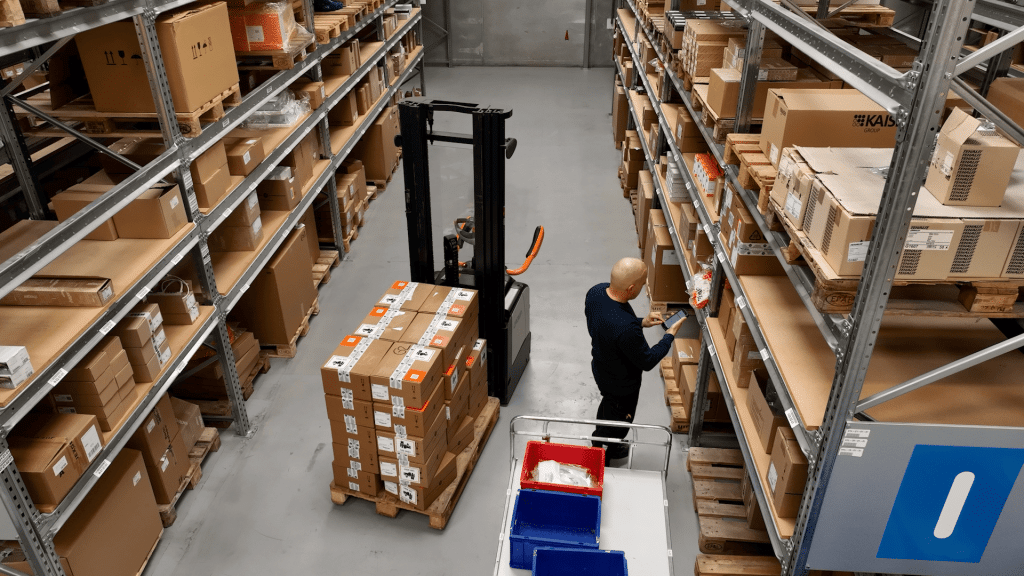
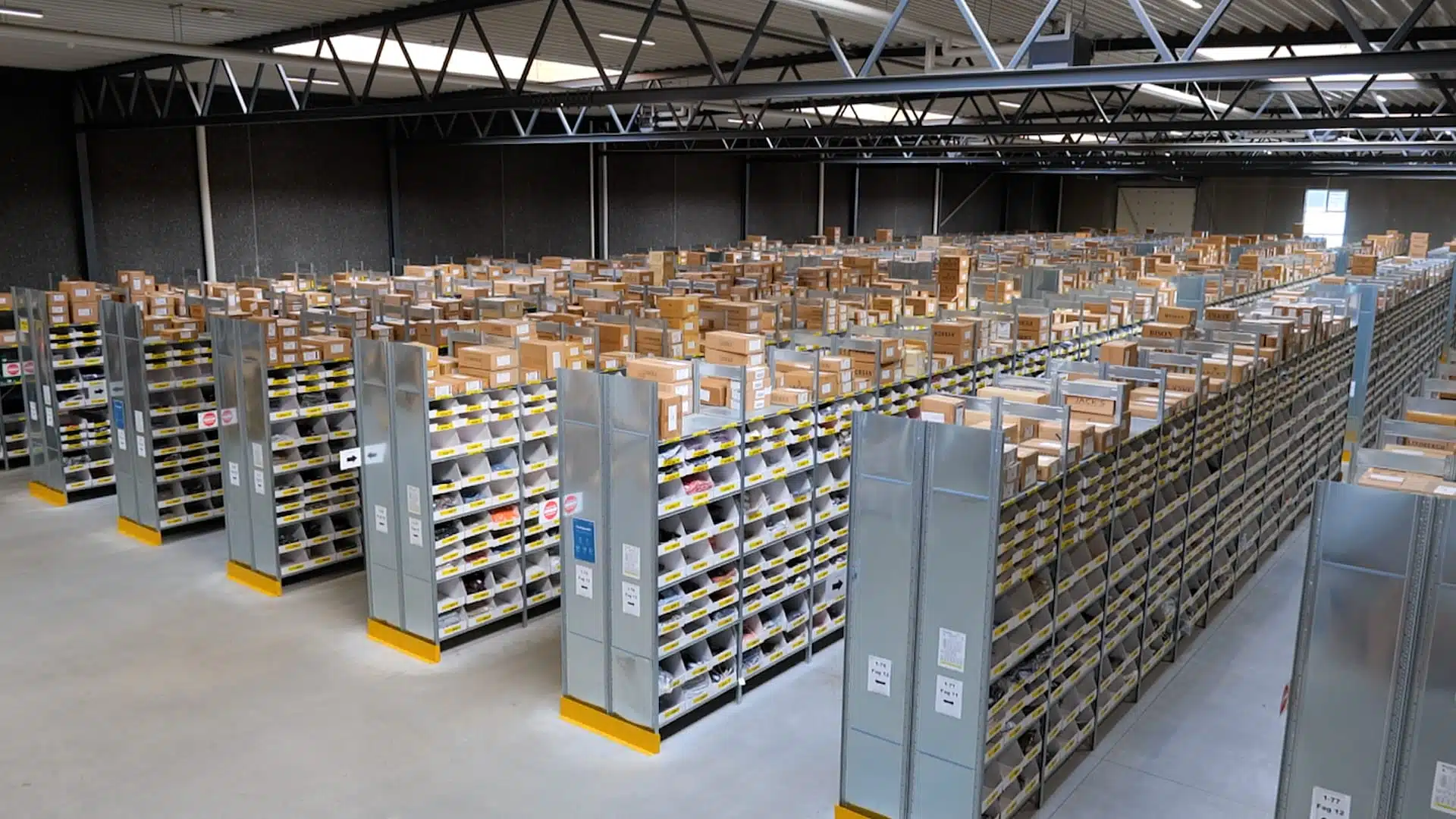
The decision to automate warehouse management depends on several factors. First, one must assess the current capacity of the warehouse and its growth prospects. If the warehouse often experiences bottlenecks or if the company plans significant growth, automation might be the right step.
Automation can also be advantageous if you want to reduce order processing errors, improve traceability, or if there is an increasing demand for faster delivery times. Read more about how the warehouse plays a central role in e-commerce success.
Benefits of Automation
- Increased Efficiency: Automation can reduce the time it takes to complete warehouse tasks.
- Error Minimization: Automated systems significantly reduce the risk of human errors.
- Scalability: Automation makes it easier to handle larger volumes of goods without increasing the workforce.
Risks of Automated Warehouse Management
While there are many benefits to automation, there are also risks to consider. One of the biggest challenges is the initial investment, which can be significant. It is important to conduct a thorough cost-benefit analysis to ensure the investment makes sense in the long term.
Additionally, automation often requires a transition period where employees need to be trained in new systems and processes. This can cause temporary delays in daily operations.
Long-term Gains
In the long term, automation can lead to lower operating costs, improved customer satisfaction, and a competitive advantage in the market. Learn more about the future of warehouse management with AI and automation.
How to Start with Automated Warehouse Management
The first step is to analyze current warehouse processes to identify areas that could benefit from automation. It can be helpful to collaborate with an experienced partner who can provide the right technologies and solutions.
A detailed project plan should be developed, outlining costs, timelines, and expected outcomes. This will help manage the project effectively and ensure it stays within budget.
Implementation and Training
Implementation should be done gradually to minimize operational disruptions. Ensure that all employees receive the necessary training to work with the new systems. Learn more about the resources required for a WMS project.
Technologies in Automated Warehouse Management
There are several technologies that support automated warehouse management. Some of the most commonly used include:
Automated Storage and Retrieval Systems (AS/RS)
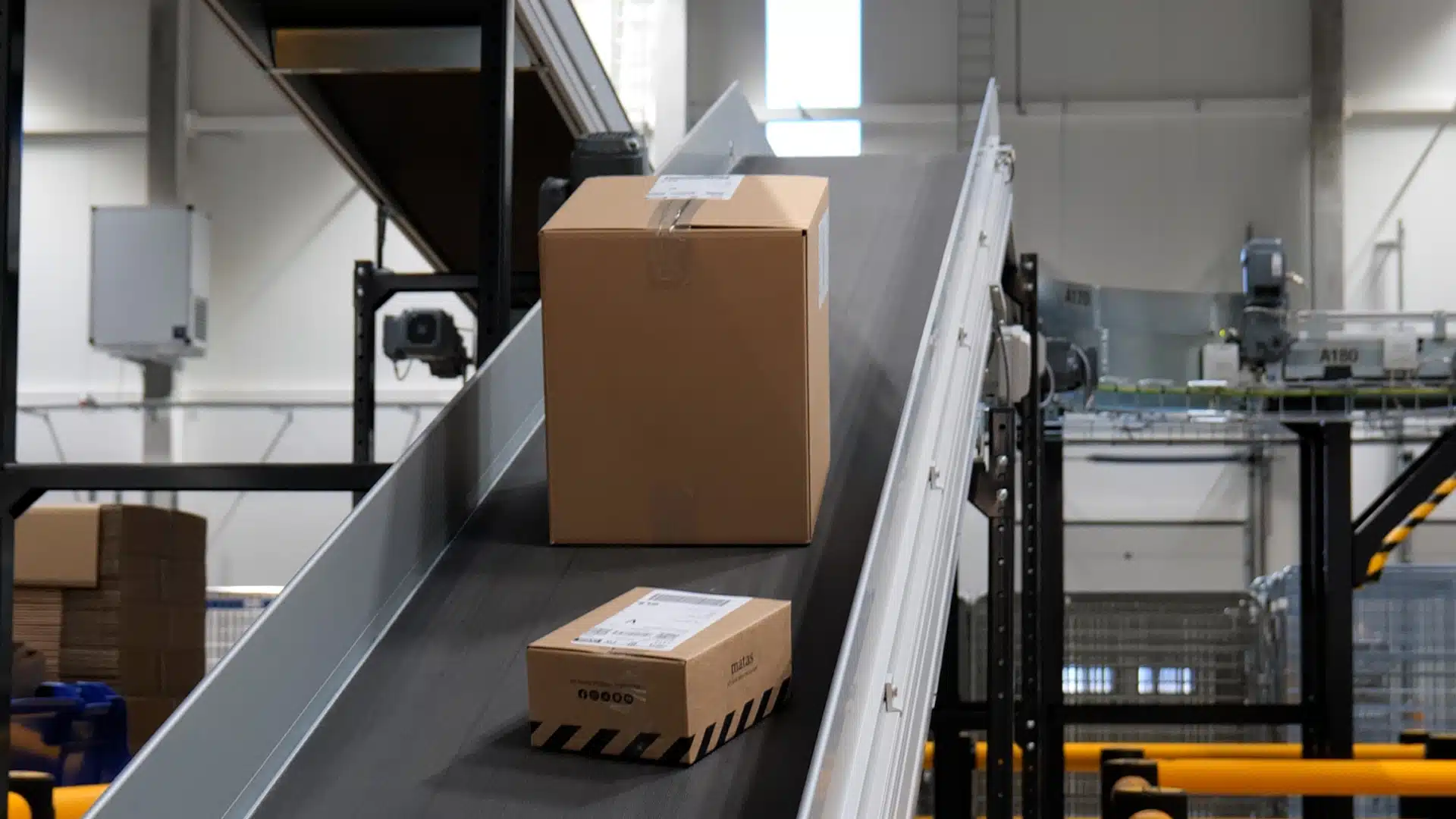
Automated storage systems allow for quick and efficient storage and retrieval of goods. These systems use cranes and conveyors to move goods, reducing the need for manual workflows.
Robots and Drones
Robots and drones can be used to perform various warehouse tasks, such as picking and packing goods. They can navigate the warehouse with high precision, improving both speed and accuracy.
WMS Software
A Warehouse Management System (WMS) is crucial for managing warehouse processes and optimizing inventory. WMS software provides real-time insights into warehouse status and helps plan and coordinate warehouse activities more effectively.
The Future of Automated Warehouse Management
Technology is constantly evolving, and the future of automated warehouse management looks promising. With the emergence of AI and machine learning, warehouse management systems can become even smarter and adapt to dynamic changes in demand.
Moreover, the integration of IoT devices into warehouse management processes will enable more extensive data collection and analysis. This will create opportunities for more proactive decision-making and further improvements in operational efficiency.
Environmental Considerations
With a growing focus on sustainability, there is also pressure to automate warehouse management in a way that reduces energy consumption and minimizes waste. This may include using energy-efficient systems and recyclable materials in warehouse operations.
Conclusion
Automated warehouse management can be a game-changer for e-commerce companies looking to grow and remain competitive. However, it requires careful planning and a clear understanding of strategic goals. By starting with a thorough analysis and working with the right partners, companies can achieve the long-term benefits that automation promises.
If you're ready to take the next step in your company's growth journey, consider learning more about how an optimized warehouse can make a difference: Your optimized warehouse needs to be labeled – learn how.
Are you ready to take action?
Share post:
Want to learn more about Warehouse Management Systems?
Need help figuring out whether a warehouse management system is the right fit for your business? You’re always welcome to get in touch – and together we’ll find the best solution for your needs.
Christian Mikkelsen
CCO, Apport Systems
E: [email protected]
T: +45 4177 6304
Christian Mikkelsen
CCO, Apport Systems
E: [email protected]
T: +45 4177 6304
Did you read one of these blogposts?


From Automated Storage to Full Warehouse Robotization
Warehouse robotization can significantly optimize processes, reduce errors, and increase efficiency. For companies in the retail, wholesale, manufacturing…
