

5 KPIs You Should Measure in Your Warehouse Management
28/05/2026
Christian
CCO, Apport Systems
Understanding the Importance of KPIs in Warehouse Management
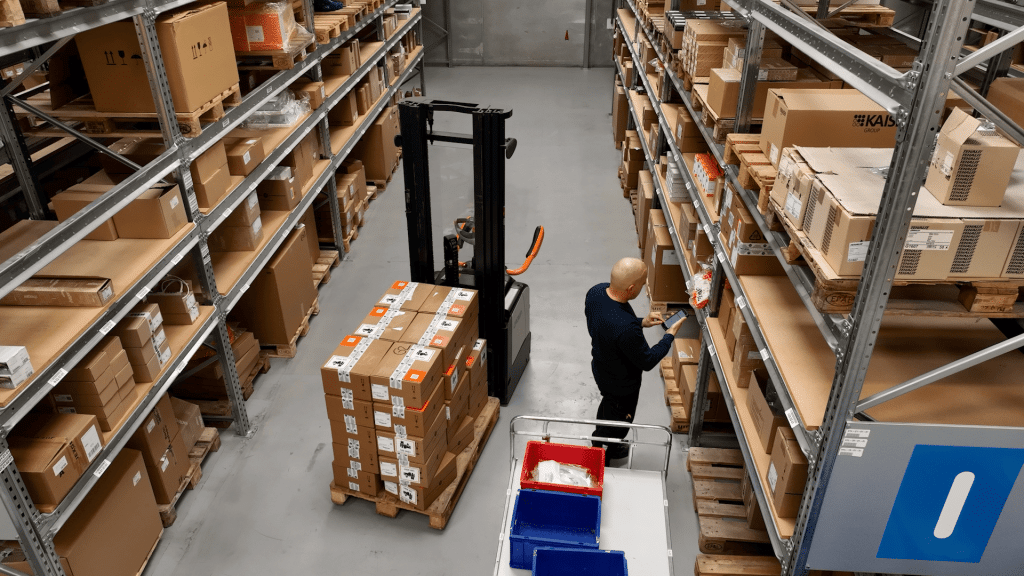
For e-commerce companies, efficient warehouse management is a crucial factor for success. Small warehouses experiencing growth need clear strategies to remain competitive. By focusing on key performance indicators (KPIs), warehouse and logistics managers can make informed decisions that enhance business value and scalability.
1. Order Handling Time
One of the most important KPIs in warehouse management is order handling time. This measurement indicates how long it takes from when an order is received until it is packed and ready for shipment. To optimize this process, companies can implement effective warehouse strategies that improve speed and accuracy.
2. Inventory Turnover Rate
The inventory turnover rate shows how often a company’s stock is sold and replaced within a given period. A high inventory turnover rate means that products are sold quickly, indicating efficient warehouse management. By analyzing this KPI, companies can adjust purchasing strategies to avoid surplus or shortage of inventory.
3. Order Fulfillment Accuracy
Precision in order fulfillment is critical for customer satisfaction. This KPI measures the percentage of orders that are correctly picked and packed. A high degree of accuracy reduces returns and increases customer trust. Companies can use technological solutions, such as Warehouse Management Systems (WMS), to ensure high accuracy.
4. Warehouse Space Utilization
Optimal utilization of warehouse space is essential to maximize efficiency. This KPI helps understand how well the space is being used. By applying intelligent warehouse layouts and automation, warehouse managers can improve this measurement and thereby reduce costs.
5. Shipping Cost Per Unit
Controlling the shipping cost per unit is crucial for maintaining profitability. This KPI helps identify potential cost reductions in the freight process. By collaborating with reliable logistics partners and optimizing packing processes, companies can reduce these costs.
Implement KPIs for Future Success
By measuring and analyzing the right KPIs, small e-commerce warehouses can achieve significant improvements in their warehouse management. It is important to choose KPIs that are most relevant to the company's goals and challenges. For deeper insights and strategies, it may be beneficial to consider smaller automation projects as mentioned here.
The Future of Warehouse Management
With the right monitoring and strategy, small warehouses can grow and become more competitive. Investing in technology and education is crucial to ensure continuous improvement. For more information on how WMS can help your business, you can visit our section on WMS for different industries.
Take the First Steps Towards Optimized Warehouse Management
Understanding and measuring the right KPIs in your warehouse management can be the difference between success and stagnation. With these insights, you can create a more efficient and scalable warehouse operation that supports your company's growth and future goals.
How Technology Can Transform Warehouse Management
The role of technology in modern warehouse management cannot be underestimated. Implementing automated systems can drastically reduce errors and increase speed. Robots and AI-driven solutions are already becoming standard in many advanced warehouses. Companies that invest in these technologies can expect not only to improve their efficiency but also to offer better service to their customers.
Training and Development of Employees
While technology plays a big role, human capital is still a crucial factor. Training and developing employees in warehouse processes and the latest technologies ensure they can operate efficiently and handle complex situations. Regular training sessions can improve both motivation and productivity among employees.
Environmental Considerations in Warehouse Operations
In an era where sustainability is in focus, companies should also consider the environmental impact of their warehouse operations. Efficient resource management, recycling, and waste reduction are aspects that can not only reduce costs but also improve the company's environmental footprint. It is possible to implement green strategies without compromising on efficiency.
Final Thoughts
By integrating the right KPIs and strategies into warehouse management, companies can not only improve their current operations but also position themselves strongly for future growth. It is a continuous process that requires regular evaluation and adaptation to remain competitive in a rapidly changing e-commerce world.
Share post:
Want to learn more about Warehouse Management Systems?
Need help figuring out whether a warehouse management system is the right fit for your business? You’re always welcome to get in touch – and together we’ll find the best solution for your needs.
Christian Mikkelsen
CCO, Apport Systems
E: [email protected]
T: +45 4177 6304
Christian Mikkelsen
CCO, Apport Systems
E: [email protected]
T: +45 4177 6304
Did you read one of these blogposts?


Integration and solution overview
So, you need better warehouse management and already use Minuba – but where exactly does an Apport solution fit in?
